Por una poética de la porosidad (For a Poetics of Porosity)

¿En qué se parece tu pensamiento al agua subterránea?
siguiendo la sabiduría yoreme

En las entrañas de las montañas de Iwami Ginzan quedan los restos de antiguas minas que fueron excavadas por más de 400 años desde el periodo Edo. En lo que fueron antiguas minas de oro y plata, ahora sólo queda el agua que se filtra y forma pequeñas gotas que se pegan a las paredes del socavón. Estas gotas son como una lluvia detenida en el tiempo lento de las entrañas de la tierra o, dicho de otra manera, bajo la tierra también llueve y con esa lluvia se forman los ríos subterráneos que salen a la superficie después de algunas décadas o siglos.

Entonces pensé lo siguiente: quiero escribir una poesía así. No la poesía de un delirio que se abre paso furiosamente en busca de oro. Quiero escribir una poesía como esta lluvia subterránea que filtra la madre tierra y poco a poco encuentra su camino. Quiero que mi pensamiento totalmente conozca la porosidad del mundo. Quiero que pertenezca no al siglo de oro sino al siglo de lluvias bajo la tierra. La poesía gana algo cristalino al quedarse como una gota atrapada por generaciones. ¿Es esto lo monumental o es esto lo bebible? Quiero que mi corazón conozca la porosidad del mundo y vaya llenando la montaña. Algún día alguien lo hallará como un manantial que surge a la superficie.

Entonces cantará mi corazón: Dichoso seas.

Iwami Ginzan
21 de agosto, 2025.

For a Poetics of Porosity

How is your thinking like groundwater?
following the wisdom of Yoreme

Deep within the Iwami Ginzan Mountains lie the remains of ancient mines that were excavated for over 400 years, dating back to the Edo period. In what were once gold and silver mines, all that remains is water that filters through and forms small drops that stick to the walls of the shaft. These drops are like rain frozen in the slow time of the earth’s depths. Or, to put it another way, it also rains underground, and with that rain, underground rivers form, emerging to the surface after a few decades or centuries.

Then I thought: I want to write poetry like that. Not the poetry of a delirium that furiously makes its way in search of gold. I want to write poetry like this underground rain that filters through Mother Earth and gradually finds its way. I want my thinking to fully understand the porosity of the world. I want it to belong not to the golden age but to the age of rain under the earth. Poetry gains something crystalline by remaining like a drop trapped for generations. Is this monumental or is this drinkable? I want my heart to know the porosity of the world and fill the mountain. Someday someone will find it like a spring that rises to the surface.

Then my heart will sing: Blessed are you.

Iwami Ginzan
August 21, 2025

al interior de las minas de Iwami Ginzan, 2025
Poems of the Hatun Mayu

Yaxkin Melchy Ramos

Poems translated by Alice Whitmore (2018)

Dream

If you grow tired, sleep

when you wake, focus

on the deepness of the well-worn

and rest,

watching the stars.


The Singing Cloud

¿Why have I gone?

Why have I come here, alone

A, distant star

H, distant star

Y, distant star


Stars that dance, yes

from here you can see the waltz of their celestial bodies


constellation of lights swirling in the current of time

¿Conjunction?

¿Alignment?

Something more, the dancing figure is a dragon, a river, a tree,

these three things in a waterfall.


Our faces grow old

and covered with clouds.


Moss that grows on our heart,

barges left on the sand,

ignored by passing children

crabs, the distant islands

and choirs of a fire somewhere.


Our hands touch

murmuring in the grass

and in the green.


This is the universe

canoes shaped from songs

in a trail of light

that never dies.


¿What does a poet do?

He explains the sky with his song

with the song that is born from his blood

eternal movement

his blood is the blood of the rivers

the ideas in his mind

not one false creation

for he is creation itself

touching the light of the leaves

The stars fit in the palm of his hand

as he fits in the palm of his brother’s hand

of his friend’s, companion’s,

lover’s

His word is there to clear

the modern smoke

that clings and nests

in our hearts

The poet’s song blows through

and lifts the dust

and worries the seas

with its moving calm

it makes the stones laugh

the birds brighten

their song, the singing merges rivers

like children who eat from the same fruit

He weaves with his poems

something luminous and fine

that in a moment is diffused

and covers in a solar mist

all the mornings of the world

all the mornings of the new world

He shies away

from the fulgent beauty

of his literary forebears

he leaves the cape of fascination

hanging on a coat stand

and walks naked, unclothed

with the song of his shedding strands

which fall by the way

against the pillow

against the bathroom floor

against the neighbourhood earth

upon the fountainhead he used to visit

like the university

where he spent his time arguing

with too-thick peers

the same university

where he goes in the evenings

to study the limpid mirror of words

(its clarity is deep but unsettling)

He loses strands of hair while he reads

when he sings

when he stops to listen

when he teaches life to his brothers

when he starts to lose these senses

and his eyes and his ears and his other eyes

that still reserve a space for pride

and his nails and his skin

and his bones

He left behind the craving for creation

but his soul continues, clean now

for the rest of eternity.

Then another poet is born:

—…Where the old maestro lived

now there is a tree.

Lupuna Tree, Hebzoariba, 2019

Publicaciones y reseñas de 2023 / 2023 Publications and Reviews

Comparto publicaciones y reseñas del año que acaba de pasar, siempre agradezco las miradas que se comparten.
Este mes, enero de 2024, comienza un nuevo año en Japón, con terremotos y con esperanza.
También la tierra que ha fructificado en otoño se recupera para volver a nacer en la primavera.
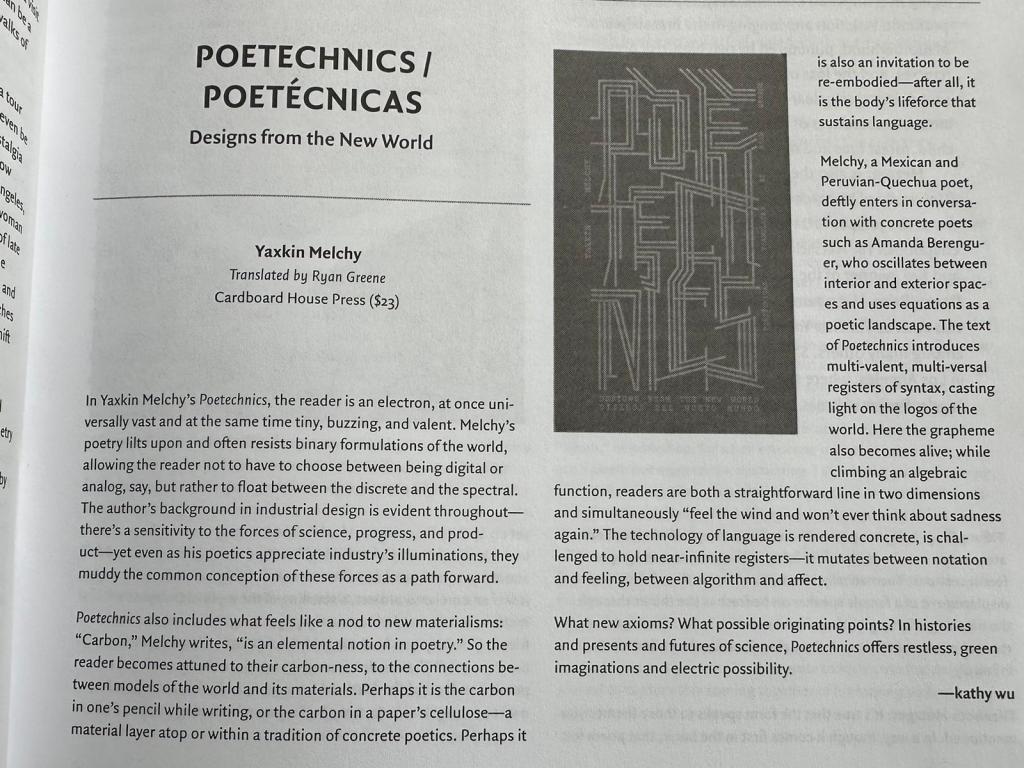
Gracias, a Kathy Wu y la Rain Taxi Magazine, Ryan Greene (traductor de muchos poemas míos al inglés), Giancarlo Huapaya y Cardboard House Press;
Gracias a Rob McLennan, Genevieve Kaplan y Veliz Books;
Gracias a Adrián Ibarra , Luz bajita y También el caracol.
Gracias a The Offing Magazine.
Finalmente a Nicholas Grosso, Sabrina Morreales y Lorenzo Perri, curadores de la Architecture Book Fair por seleccionar el libro dentro de la curaduría de obras.

I want to share some reviews from the year that has just passed; I always appreciate new readings of poems and people who share their views.
This month, January 2024, a new year begins in Japan, with earthquakes and with hope.
Also, the land that has fructified in autumn is recovered to be born again in the spring.
Thanks to Kathy Wu and Rain Taxi Magazine, Ryan Greene (translator of many of my poems in English), Giancarlo Huapaya, and Cardboard House Press;
Thanks to Rob McLennan, Genevieve Kaplan, and Veliz Books;
Thanks to Adrián Ibarra, Luz bajita, and Tambien el caracol.
To The Offing Magazine
Finally to Nicholas Grosso, Sabrina Morreale and Lorenzo Perri, curators of the Architecture Book Fair 2023.

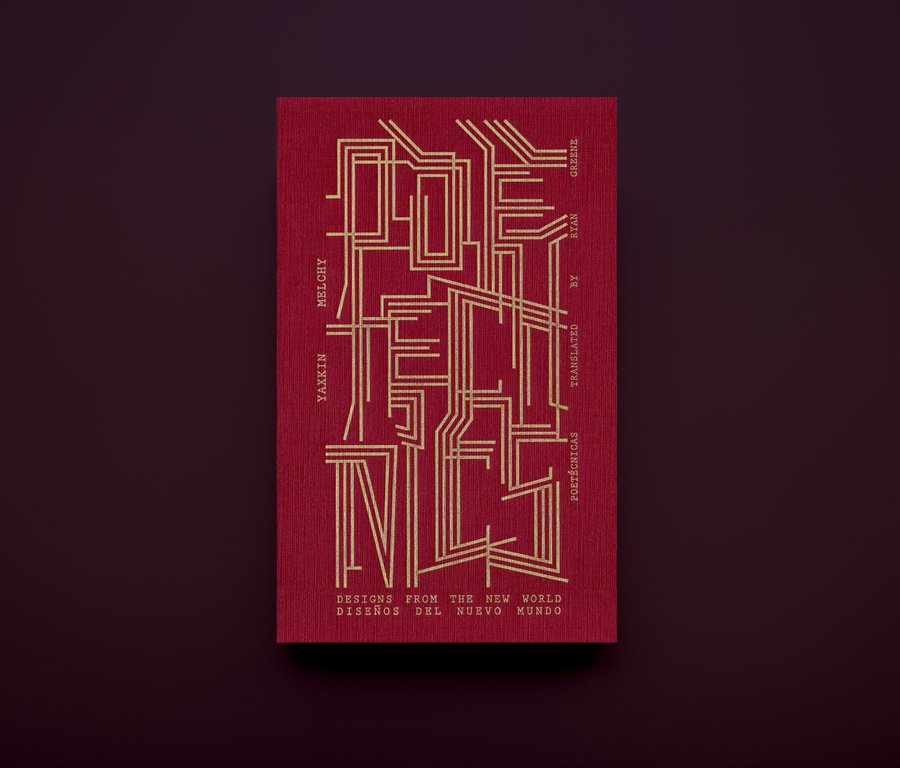
Poetechnics (Cardboard House Press, 2023) book in Spanish/English

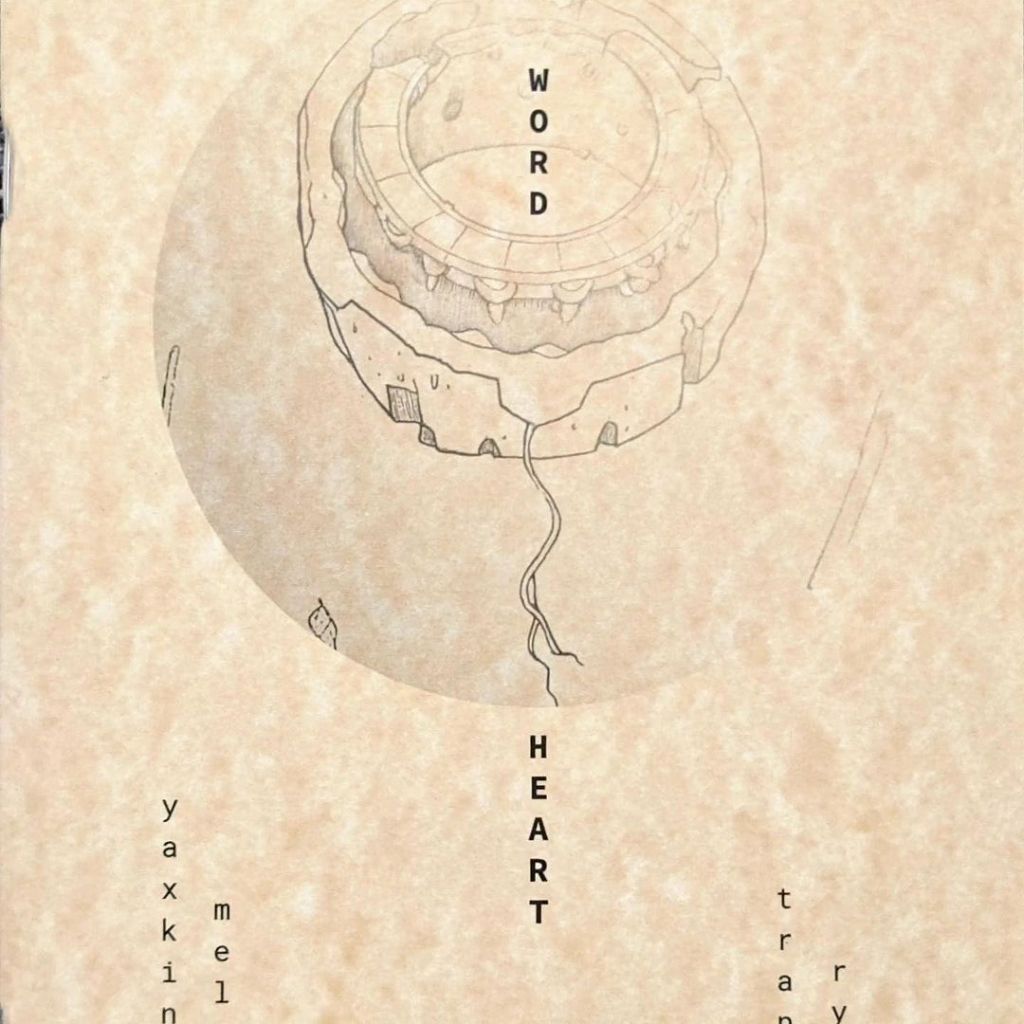
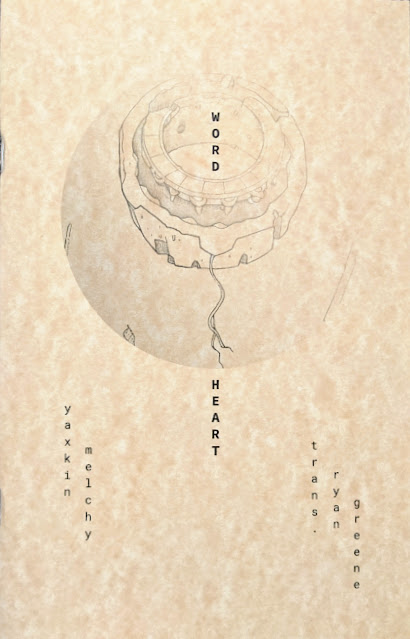
Word Heart (Veliz Books-Toad Press, 2023) chapbook in English

Mandalas (También el caracol, 2022) Anthology of modern Japanese poetry, book in Spanish/Japanese

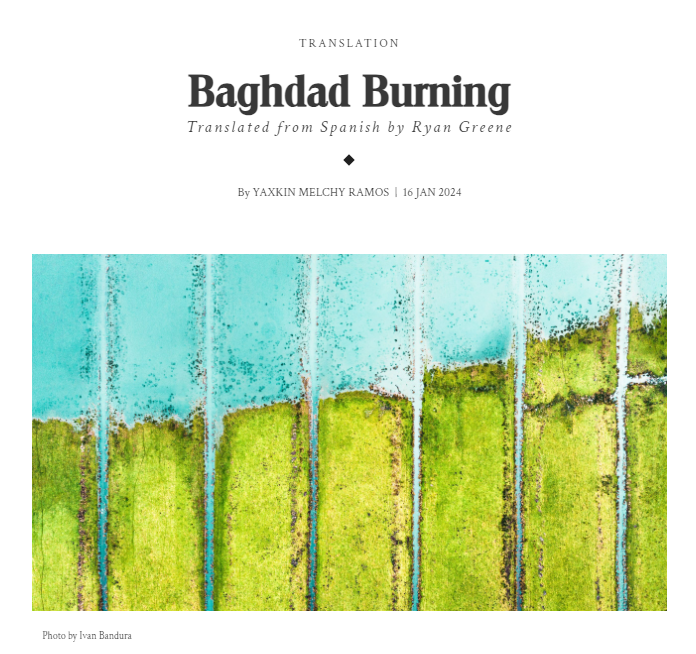
Baghdad Burning (in The Offing, 2024) poem in Spanish and English

Poetechnics (curator’s selection for the Architecture Book Fair, 2023)

Dos lanzamientos y una noticia. Two releases and one notice

Word Heart [Palabra corazón] translated by Ryan Greene
Toad Press/Veliz Books, 2023 (Chapbook)

https://toadpress.blogspot.com/2023/08/word-heart.html

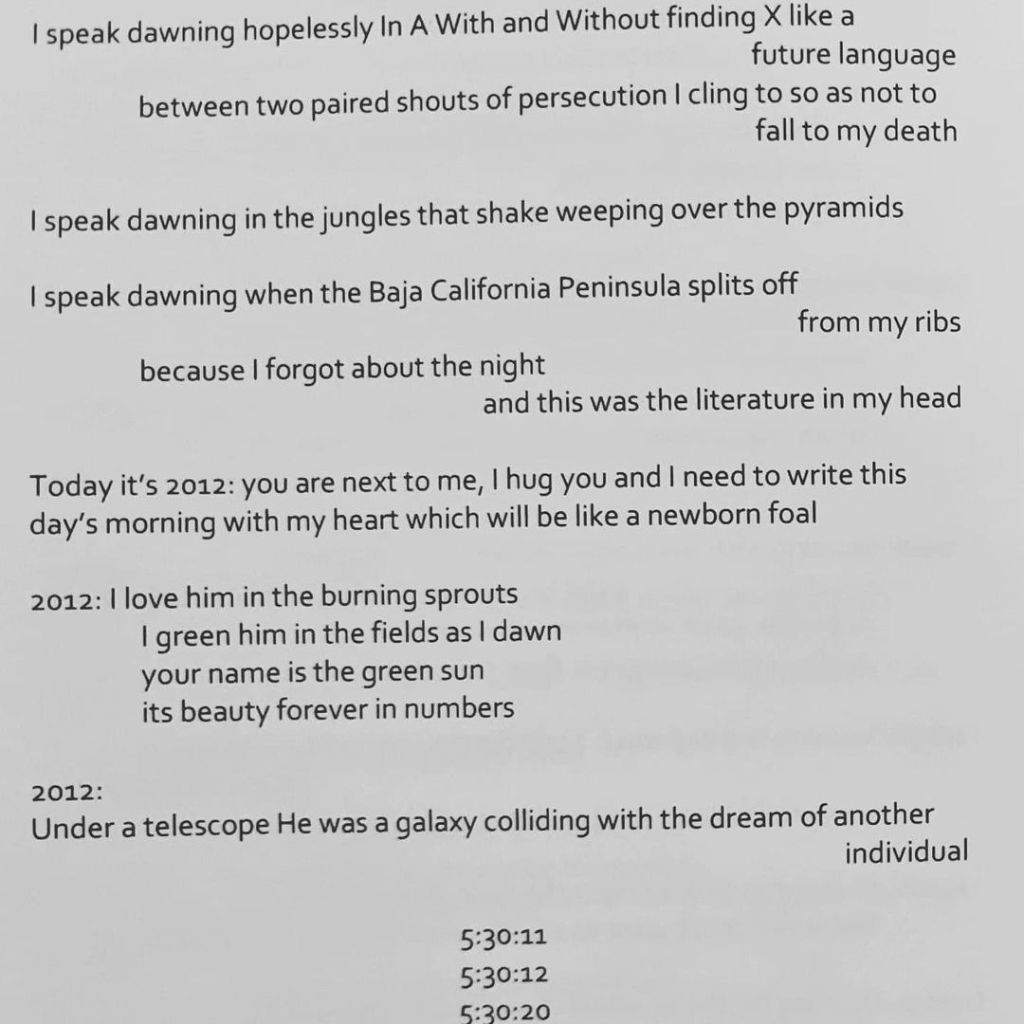
Desde EL NUEVO MUNDO / From THE NEW WORLD translated by Ryan Greene
Ghost City Press, August 24, 2023
PDF Micro-Chapbook

https://ghostcitypress.com/2023-summer-series/desde-el-nuevo-mundo-from-the-new-world

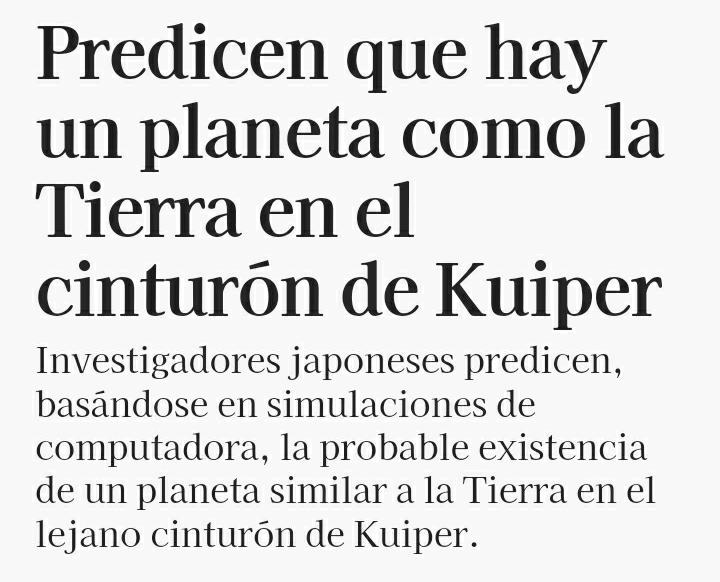
La noticia

https://www.proceso.com.mx/ciencia-tecnologia/2023/9/9/predicen-que-hay-un-planeta-como-la-tierra-en-el-cinturon-de-kuiper-314556.html

Esta noticia la pongo a propósito del libro que escribí llamado El Cinturón de Kuiper (2012).
Un par de amigos se acordaron de dicho libro y me la compartieron. Dice Héctor Peña
«Hiciste una exploración de todo el material que constituye el cinturón, descifrando señales, buscando sentido.»


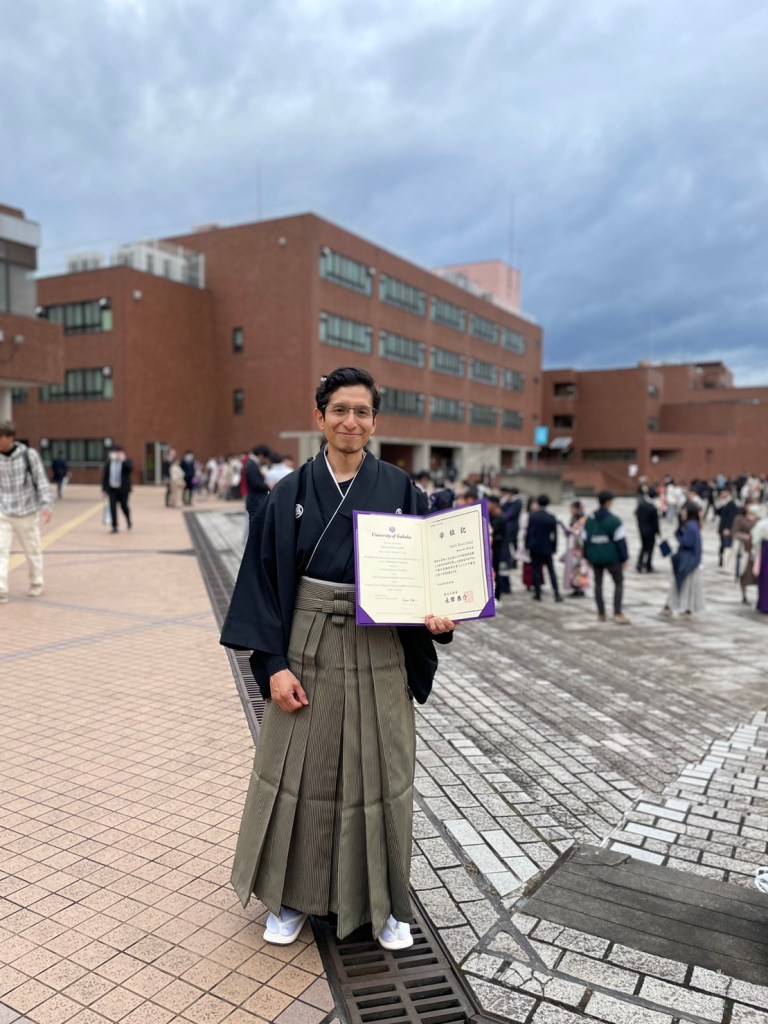
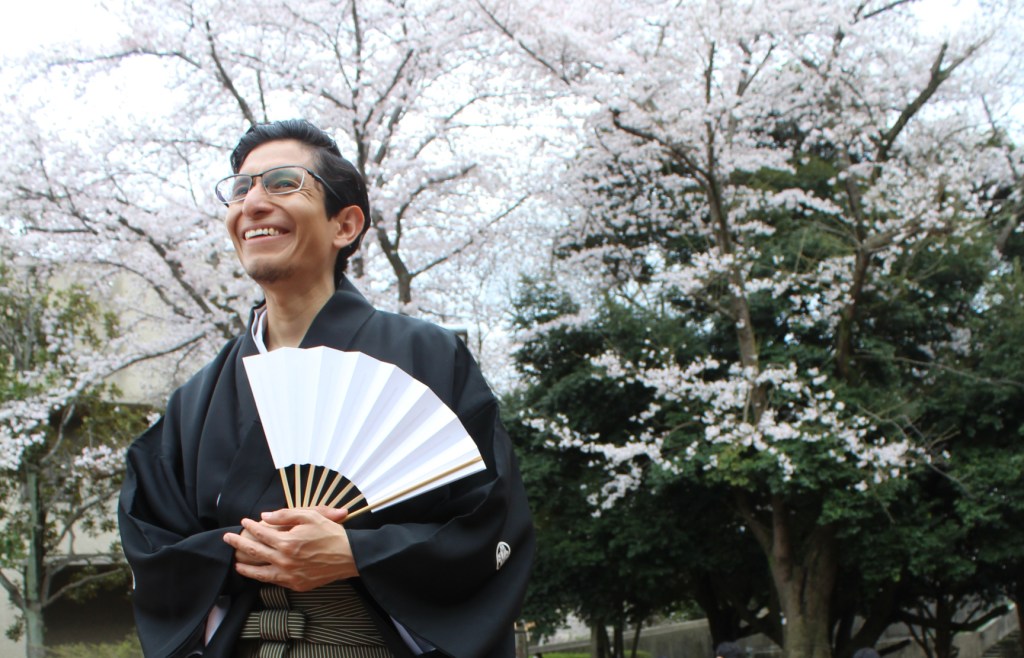
Commencement speech for the University of Tsukuba Graduation Ceremony 2023

Good afternoon, everyone. Greetings to President Nagata, Deans, Professors, Families, and the class of 2023. Thank you for letting me to share some words in this important graduation ceremony.

It is again spring, and earth reminds us of its cycle through which life renovates itself. Again spring gives us an excellent example of the resilience of life and inspires us to think of our human paths in the same way, as paths of resilience through which knowledge and heart contribute to humankind’s growing and renovation cycles.

The last years have been quite a unique journey of challenges. We have all experimented hardship and frustration because of the pandemic, but at the same time, hope and an incredible opportunity for silence and deep reflection. I came from Mexico in 2019 and entered the Doctoral Program in Humanities three years ago, just when the COVID-19 pandemic made us retreat to our houses and challenged us to continue our studies in new ways. I was incredibly amazed by how our professors and the academic staff kept going and envisioned new ways and opportunities to continue the classes and activities of the University. I am incredibly thankful to all of them because they taught me how education is sustained not merely in books or information but in people and the daily effort of making the connections for technology to be useful and take care of life. In addition, I discovered how much knowledge is connected with life, within the intimate scope of our families, friends, nature, and God. Knowledge is connected to all the intimate relationships through which we can participate in growing a healthy society. 

Also, studying during the pandemic opened new doors for me: a new way to enter into contact with nature and a more subtle rhythm of life, taking care of myself and building awareness of the people around me. Japanese society also showed me their unique strength in front of adversity, and I received many demonstrations of solidarity and generosity from my friends that I will never forget. 

The University of Tsukuba provided me with a safe space. Its beautiful campus, surrounded by nature, became a second home for my silent readings and research activities. The environment showed me how nature supports, with its therapeutic presence and beauty, the development of human knowledge, because we are nature too. Tsukuba University community also includes its kobushi, sakura, ume, sarusuberi, metasequoia, ginkgo, momiji and keyaki trees, its fauna and ponds, its laboratory and research animals, just as library and cafeteria. I am especially thankful to all the people who take care of those spaces and lives for providing a safe space for research, experiments, dialogue, and reflection. During my research, I had the opportunity to cross between Humanities and Sciences, poetry, and technological innovation, to look at how we care for this world and our human communities from different angles. This opportunity ignited in my path incredible questions about the meaning of study.

My most significant learning in this University is about making questions, not just theoretical but ethical, what do we aim for when creating knowledge? What do we seek when developing new technologies? What do we strive for when envisioning the future? I would say that it is mainly to walk a path connected to health, peace, and beauty. In times in which many drastic changes are taking place, and the ethical grounds of modernization are constantly being threatened, I wish this University will continue being a refugee for relationships of health, peace, and beauty because those are the paths crossing beyond past and future generations, the pathways of renovation and resilience, just as the flowers of kobushi. In addition, the University of Tsukuba’s international environment has given me an incredible opportunity to envision how these paths intersect and work together rather than diverge and struggle, crossing languages and cultures. An old Aztec poem said that when many wise people and poets from different towns once gathered to discuss the meaning of human life on earth, after a long poetic exchange of many days, they agreed that one of the meanings of life was having that same opportunity to encounter between them. For me, this is the spirit of University, the nature of wisdom through which knowledge can guide our way of living together on earth, creating a world worth living.

I sincerely thank God, professors, families, friends, and all living beings that sustain our lives.

March 24th, 2023

Representative of the class of 2023

Graduate School of Humanities and Social Sciences

Modern Languages and Cultures Program (Ph.D)

Melchy Ramos Yaxkin

by Yolanda Graca
by Takatora Abe

New poetry book for 2023. Translation of Poetechnics translated from Spanish by Ryan Greene in Cardboard House Press

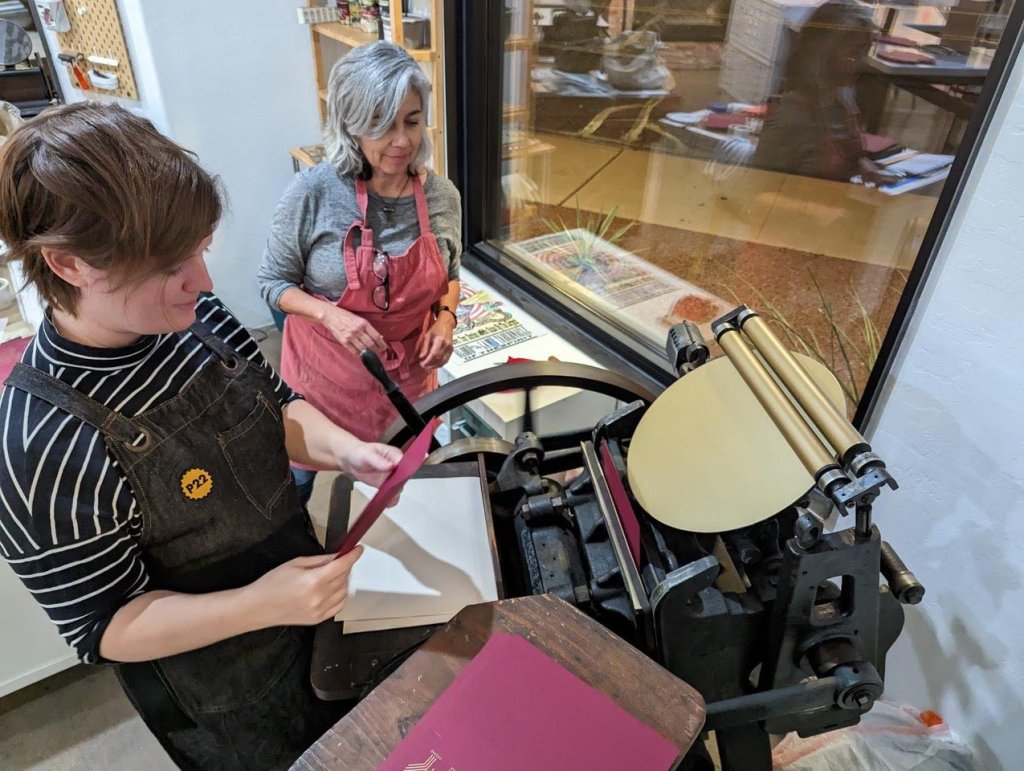
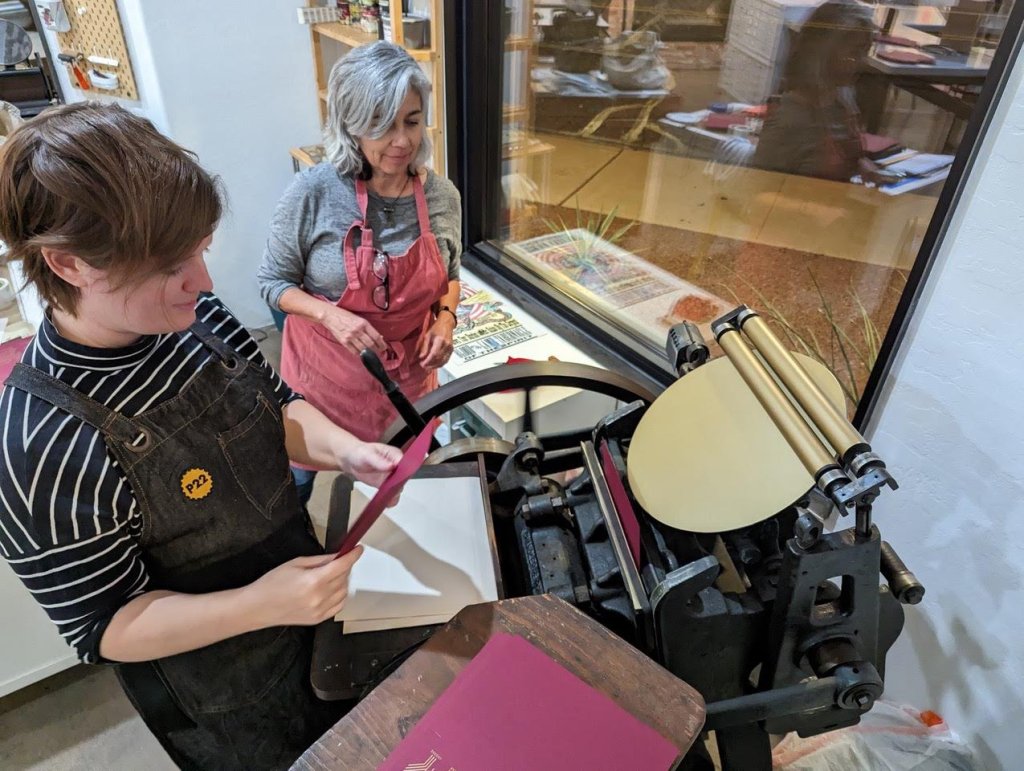
Now available for PRE-ORDER! POETECHNICS by Yaxkin Melchy and translated from Spanish by Ryan Greene! A Cartonera Collective Series book made by hand in community workshops with covers letterpress printed with Shut Eye Press!

Link: https://t.co/zXRVLcNLab

Thank you, to the poet-editor Giancarlo Huapaya and the Cardboard House Press team, Ryan Greene, for the careful translation, and Sawako Nakayasu for her reading. A beautiful and complete artisanal work of edition for this heart-fi sci-poetry.

Bilingual version.

Fulang Chang and Frida Kahlo.

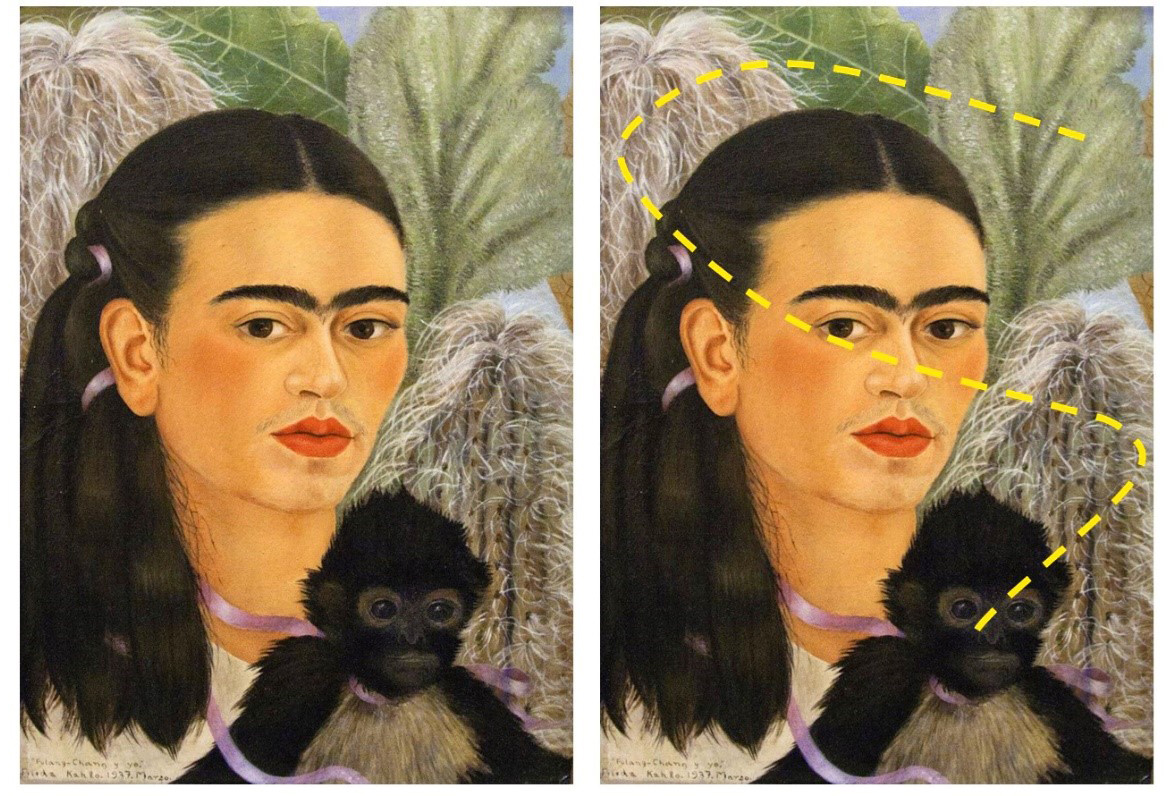
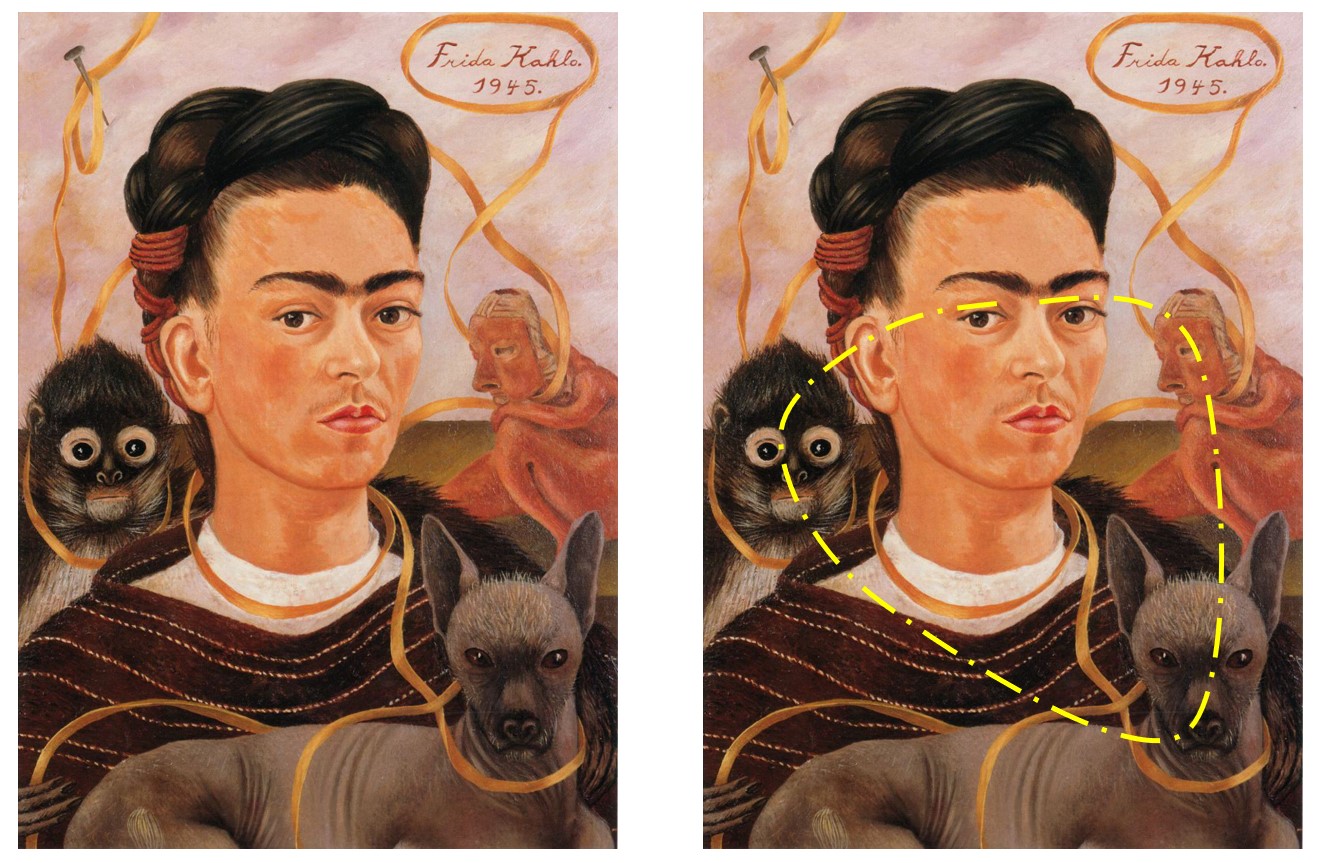
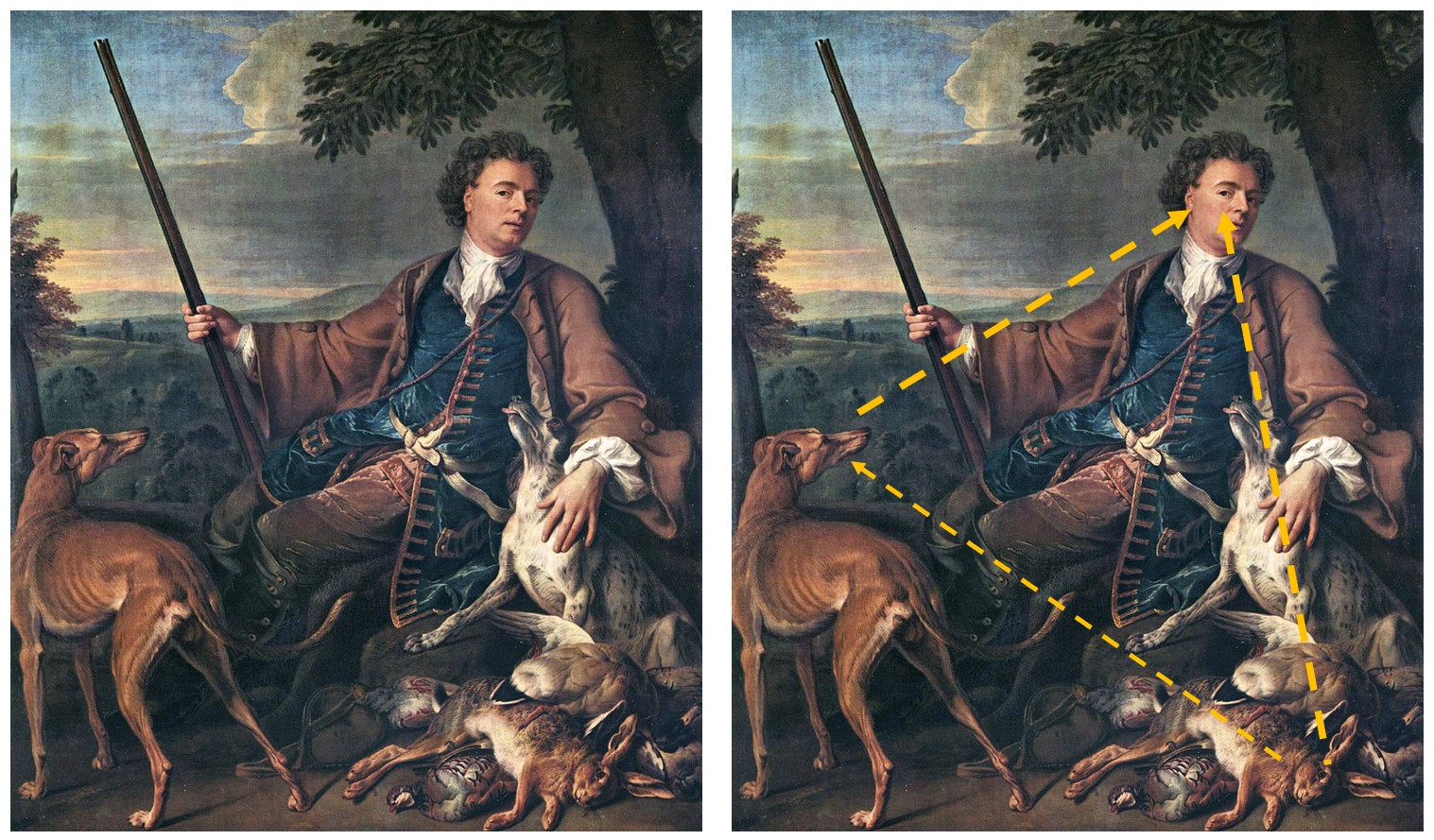
In 2017 I was cursing a seminar on philosophy and animals at the University of Tsukuba with my friend from Colegio de México, the writer Hiram Ruvalcaba. For my final presentation, I decided to talk about Frida Kahlo’s vision of animals and how animals appear in her paintings. The presentation made for professor Shimizu’s class taught me a hidden story of animal representation in self-portraiture in the West and how Frida Kahlo’s paintings suggested an entirely different paradigm of self-identity. Frida Kahlo’s self-portraits with animals were inspired by her personal story of companion with Mexican animals such as the spider monkey Fulang Chang, xoloitzcuintli dogs, and parrots, and her awareness of nahuales. Nahuales is an ancient and popular vision of personhood that became a central point for my presentation. I made some comparisons between Frida Kahlo’s self-portraits, “Fulang-Chang and I” (1937), “Self-Portrait with Small Monkey (1945), with what I think may be a paradigmatic Western construction: Alexandre-François Desportes’s “Self-Portrait in Hunting Dress” (ca. 1699). Thus this paper compares visual patterns of hierarchy and more fluid and horizontal patterns of relationships with animality. Professor Shimizu encouraged me to work on this paper and send it to a Japanese Journal. Finally, it was accepted and published!. This is my first paper published in English and in a Japanese indexed Journal. I am very thankful to everyone in Japan who gave me their impressions and opinions, Akiko Liang for helping me with the abstract and Ryan Greene, who read this paper when it was a draft, and my mother, who accompanied me to visit Diego-Frida’s Anahuacalli house in Mexico City. Also, this paper attempts to tell a different story of Frida’s self-portraits with animals, looking into the more profound bonds that connected her life with her loved companions.


I uploaded a copy of the article here:

https://www.academia.edu/51023922/Yaxkin_Melchy_2021_Fulang_Chang_and_Frida_Kahlo_An_Animalist_Vision_on_Self_identity

Pictures used in the article:

Florence Arquin (ca 1938) Frida Kahlo and Fulang Chang. (Courtesy Artisphere).
Frida Kahlo. Fulang Chang and I (1937). The Museum of Modern Art (MoMA). Analysis, considering plants.
Frida Kahlo. Self Portrait with small monkey (1945) Museo Dolores Olmedo Patiño. Analysis.
Desportes Self Portrait in hunting dress (ca. 1699) Louvre Museum. Analysis.
Abstract in English. The Annual Review of Cultural Studies, Japan: Association for Cultural Typhoon/カルチュラル・スタディーズ学会, no.9. 2021. pp. 96-113.
Abstract in Japanese.

[#32]“Meditations on the Pedregal: Ecopoetic Visions” by Yaxkin Melchy, excerpt translated by Elisa Taber.

A couple of poems from my book Meditaciones del Pedregal (Astrolabio, 2019) translated into English by Elisa Taber were published this week in the Slug magazine. The original book also has the beautiful drawings of Rodrigo Treviño, an artist (visitor and resident) of El Pedregal. El Pedregal in Mexico City is a volcanic area rich in life, also in history. It welcomes without distinction Universities and residential areas of all kinds, shopping centers, food stalls, roads, and even an ancient city lie in its bowels. Its life, the life of its creatures, and the life of Mexico City people are intertwined. It is also an endangered ecosystem. These are contemplation and intercultural poems from when I was studying at the Colegio de México. Well, in the heart, several things are connected there. I’m grateful to Elisa san for translating this selection and Marina san, the poet-editor of Astrolabio and the Astrolabio team, who made a beautiful artisanal work for the limited edition.

Comparto aquí el enlace a la traducción de un fragmento del prólogo y poemas del libro Meditaciones del Pedregal. Visiones ecopoéticas que salio publicado en versión artesanal en 2019 con el hermoso sello de Astrolabio ediciones de Marina Ruíz. El libro además contiene las ilustraciones de mi amigo artista Rodrigo Treviño. En la selección aparece uno de los dibujos de Rodrigo, aunque claro siempre se antoja verlo también en papel.

Gracias a Elisa Taber y la revista SLUG por todo el cuidado en la traducción y por haber querido traducir estos poemas.

http://www.slug.directory/32-meditations-on-the-pedregal-ecopoetic-visions-by-yaxkin-melchy-excerpt-translated-by-elisa-taber/

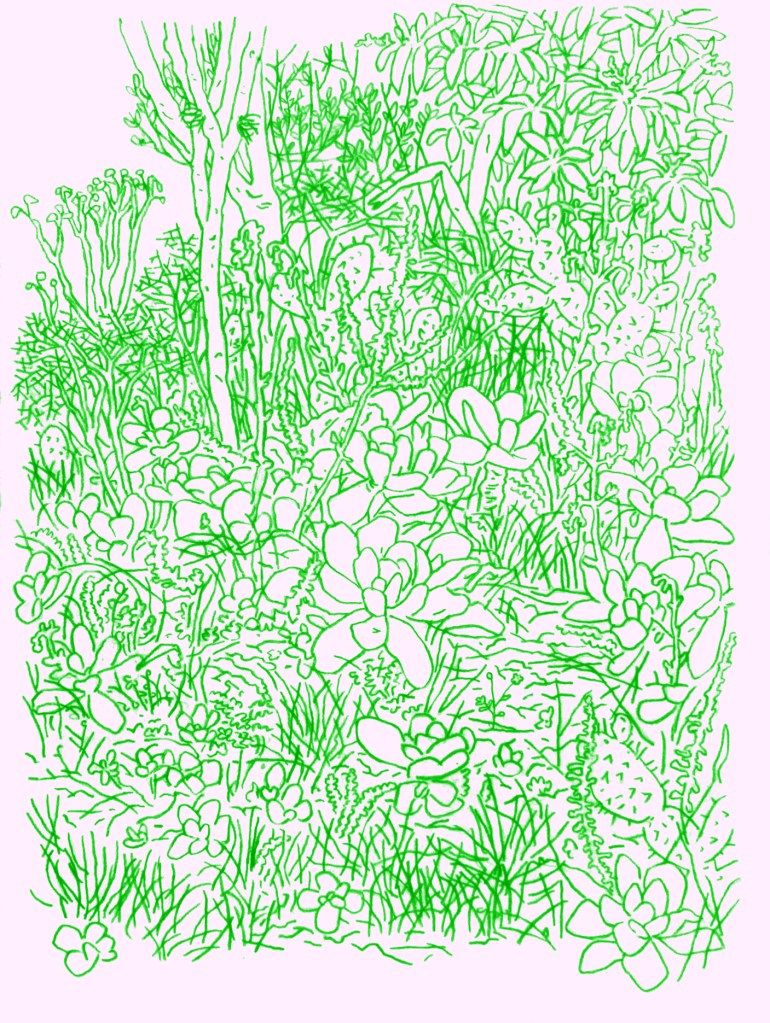
Ilustración de Rodrigo Treviño, se aprecian las orejas de burro o tememetla (Echeveria gibbiflora), los nopales (Opuntia ficus-indica), y el característico palo loco o tezcapatli (Pittocaulon praecox).
El ecosistema del Pedregal de San Ángel se encuentra al sur de la Ciudad de México, y en el conviven plantas y animales con la naturaleza de la ciudad. En sus suelos se levantan universidades como la Universidad Nacional Autónoma de México (CU), El Colegio de México, La Universidad Pedagógica Nacional y también colonias residenciales populares, grandes avenidas, centros comerciales, puestos de comida, las ruinas de la pirámide de Cuicuilco y otras zonas arqueológicas. Es un espacio con vida que nos sostiene y al cual conviene tener siempre presente en nuestra mirada, en nuestro sentir y en nuestro sentido de responsabilidad. Este libro es una recopilación de cantos maravillados, de observación de la vida que allí transcurre, de meditaciones de mi corazón por estos caminos.

Ryan Greene translates Yaxkin Melchy Ramos. SEEDS FROM THE NEW WORLD I (ENGLISH)

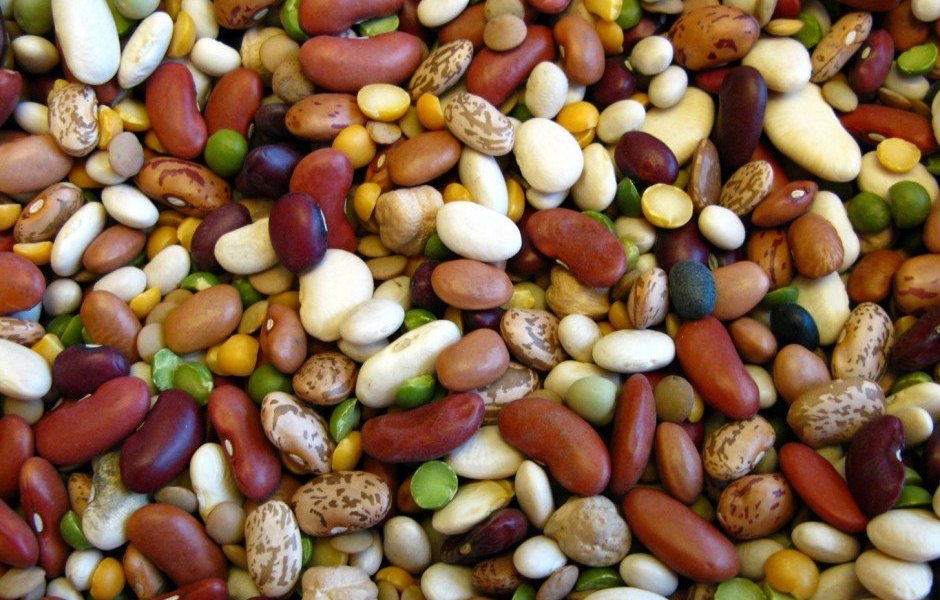
Aquí pongo el enlace de la publicación de las traducciones de Ryan Greene de algunos poemas (que visualizamos como semillas) de EL NUEVO MUNDO, un libro que visualizamos como un semillero de beans-frijoles o semillas de poetécnicas, de tejidos de comunidad, de preguntas, audios y más cosas que van apareciendo en estas traducciones, conversaciones, interacciones y reflexiones.

Muchas gracias.