
Suscríbete para seguir leyendo
Suscríbete para obtener acceso al contenido íntegro de esta entrada y demás contenido exclusivo para suscriptores.
Suscríbete para obtener acceso al contenido íntegro de esta entrada y demás contenido exclusivo para suscriptores.
¿En qué se parece tu pensamiento al agua subterránea?
siguiendo la sabiduría yoreme
En las entrañas de las montañas de Iwami Ginzan quedan los restos de antiguas minas que fueron excavadas por más de 400 años desde el periodo Edo. En lo que fueron antiguas minas de oro y plata, ahora sólo queda el agua que se filtra y forma pequeñas gotas que se pegan a las paredes del socavón. Estas gotas son como una lluvia detenida en el tiempo lento de las entrañas de la tierra o, dicho de otra manera, bajo la tierra también llueve y con esa lluvia se forman los ríos subterráneos que salen a la superficie después de algunas décadas o siglos.
Entonces pensé lo siguiente: quiero escribir una poesía así. No la poesía de un delirio que se abre paso furiosamente en busca de oro. Quiero escribir una poesía como esta lluvia subterránea que filtra la madre tierra y poco a poco encuentra su camino. Quiero que mi pensamiento totalmente conozca la porosidad del mundo. Quiero que pertenezca no al siglo de oro sino al siglo de lluvias bajo la tierra. La poesía gana algo cristalino al quedarse como una gota atrapada por generaciones. ¿Es esto lo monumental o es esto lo bebible? Quiero que mi corazón conozca la porosidad del mundo y vaya llenando la montaña. Algún día alguien lo hallará como un manantial que surge a la superficie.
Entonces cantará mi corazón: Dichoso seas.
Iwami Ginzan
21 de agosto, 2025.
For a Poetics of Porosity
How is your thinking like groundwater?
following the wisdom of Yoreme
Deep within the Iwami Ginzan Mountains lie the remains of ancient mines that were excavated for over 400 years, dating back to the Edo period. In what were once gold and silver mines, all that remains is water that filters through and forms small drops that stick to the walls of the shaft. These drops are like rain frozen in the slow time of the earth’s depths. Or, to put it another way, it also rains underground, and with that rain, underground rivers form, emerging to the surface after a few decades or centuries.
Then I thought: I want to write poetry like that. Not the poetry of a delirium that furiously makes its way in search of gold. I want to write poetry like this underground rain that filters through Mother Earth and gradually finds its way. I want my thinking to fully understand the porosity of the world. I want it to belong not to the golden age but to the age of rain under the earth. Poetry gains something crystalline by remaining like a drop trapped for generations. Is this monumental or is this drinkable? I want my heart to know the porosity of the world and fill the mountain. Someday someone will find it like a spring that rises to the surface.
Then my heart will sing: Blessed are you.
Iwami Ginzan
August 21, 2025

Esto que ves no es una piedra, sino una semilla de montaña.
Siempre que iba a visitar el santuario del monte Tsukuba, la veía: una roca conglomerada como de un metro y medio de largo justo a la entrada del santuario. Pero recién ahora, en mi sexto año en Japón, he comprendido lo que es.
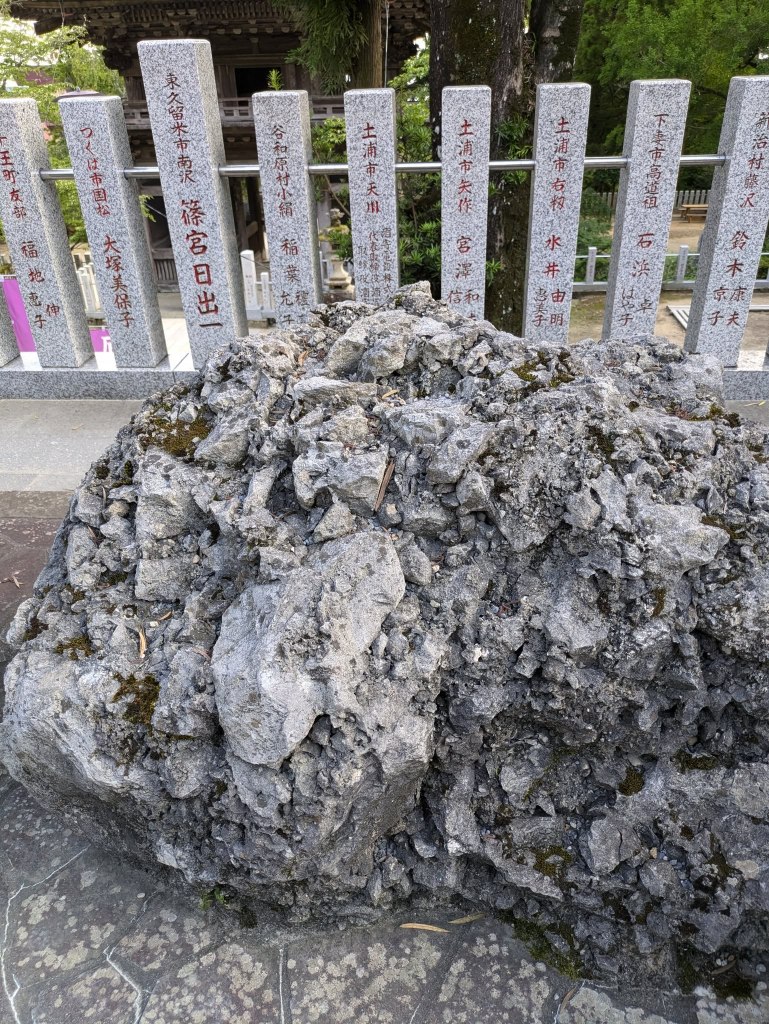

Su nombre es piedra sazare, la explicación corta es que se trata de una piedra formada de muchas rocas unidas entre sí, es decir una roca conglomerada. La manera de comprenderlo con el corazón es así: las piedras más pequeñas se unen para convertirse gradualmente en rocas más grandes, como esta, y las piedras grandes también se unen para convertirse en montañas. Por eso, esto que ves es una montaña naciendo, una montaña del futuro. Así como las células se juntan y crecen y forman seres vivos más grandes, así también sucede en la vida de las piedras. Por esto lo podemos ver como una semilla de montaña, embrión de pequeñas rocas uniéndose en una matriz de sedimento.
La piedra sazare está expuesta a la entrada del santuario del Monte Tsukuba, un monte histórico lleno de poesía, y lleva su nombre inscrito en una estela. Quizá para dar cuenta de que en el futuro existirá otro monte y que ese monte ya está naciendo. La mirada antigua nos muestra que el logos divino no cesa; está presente creando el mundo, alabado sea. Este es un entendimiento ancestral y del corazón de cómo funciona la vida; todos nacemos de forma parecida: la planta nace de la semilla y la montaña de estas piedras.
Esto que ves es un momento sagrado.
21 de julio, 2025
estrella que fuiste polvo
筑波山の神社を訪れるたびに、その姿を目にしていた。神社の入り口に、長さ1メートル半ほどのさざれ石があった。日本に来て6年目になる今、ようやくそれが何なのかを理解できた。
その名は「さざれ石」。簡単に説明すると、たくさんの石が集まってできた石、つまり礫岩だ。心で理解するなら、小さな石が集まって徐々に大きな岩になり、さらに大きな石が集まって山になる、ということである。つまり、君が見ているのは、形成途中の山、未来の山なのだ。細胞が集まって成長し、より大きな生命体を形成するように、石の生命も成長していく。だからこそ、私たちはそれを山の種、堆積物の基質の中で小さな石が集まってできた胚芽として見ることができるだろう。
豊かな詩的の歴史ある筑波山のさざれ石は、神社の入り口に掲げられ、石碑にその名が刻まれている。これは、未来に新たな山が誕生し、この山が既に誕生しつつあることを示唆しているのではないか。私にとって、この古いまなざしは、神のロゴスが決して途切れることなく、今ここにあり、世界を創造していることを私たちに示していると思う。神に賛美あれ。これは、生命の営みに対する古来からの心のこもった理解だ。私たちは皆、同じように生まれて、植物は種から、山はこの石から生まれる。
君が見ているのは、神聖な瞬間だ。
2025年7月21日
かつて塵だった星。
RICOH IPSIO SP 6110
               Gracias
                        por imprimir.

CANON SATERA MF 8280 Cw
                  Gracias
                           por imprimir.

Viejita Lenovo
                      Gracias
                              por imprimir.

Chicos, no se olviden de
            apagar sus máquinas
                            cuando no las usen.


20 de octubre, 2022.
Hanabatake, Tsukuba.
繋がれたもの

RICOH IPSIO SP 6110
               印刷してくれて
                                 ありがとう

CANON SATERA MF 8280 Cw
              印刷してくれて
                                ありがとう

古いレノボさん
              印刷してくれて
                               ありがとう

みんな、使わない時は
           電源をポチリ
                          忘れないでね


2022年10月20日
花畑、つくば

翻訳:畑 佳恵

長沢哲夫 «Naga»という詩人 が書いた詩「足がある ナナオと」、友人ななおさかきという詩人に捧げた詩が大好きです。スペイン語に訳したので共有したいと思います。
Hace unos años el poeta Tetsuo Nagasawa «Naga» escribió un bellísimo poema de su amistad con Nanao Sakaki, de cuando ámbos caminaban por las calles de Tokio y formaban parte de la Academia de vagabundos (Bamu Academy). Se los quiero compartir:
TENEMOS LOS PIES, CON NANAO

Nos vemos pronto
no existe el todavía
no ha desaparecido el todavía.
En este instante pienso
¿nos hemos conocido?
recojamos las piedras que ruedan por la memoria:
Shinjuku, Fugetsudō,
Nanao diciendo:
“hey, estoy ocupado, me llaman por aquí y por allá”
“pasa, estoy aquí sentado, escuchando a Bach”
y luego:
“―oye, ¿dónde vas a pasar la noche?”
“―en Mitaka”
y entonces comenzamos a caminar
a unos seis kilómetros por hora
desde Shinjuku, siguiendo la línea Chūo del tren,
entre orillas de charcos de fierro y hormigón
sí, tenemos que pasar por la civilización,
pero “tenemos los pies” y
en el cielo se asoma el alba,
una pálida estrella comienza a brillar de nuevo
y miramos fijamente a las estrellas sin pedirles deseos
esa es Orión, es Sirio, es la Estrella del hombre viejo del sur
las estrellas están caminando,
estrellas sin ingresos y sin alojamiento
y a veces bebemos sake con los cangrejos ermitaños de playas donde ha desaparecido la arena
y otras veces mientras escuchamos la música barroca que cantan las ranas,
guardando bien la filosofía griega, los Upanishads y los sutras budistas en la mochila
mientras estamos rodeados de flores de luz y flores de oscuridad,
nosotros “tenemos los pies”
cruzando mares color esmeralda, playas blancas de coral, bajo un sol brillante
o bien cruzando por la nieve cegadora,
entonces nuestros pies caminantes se dicen
“nos vemos luego” y
y nos separamos y luego, otra vez, nos encontramos,
ay, pero ahora dejas aquí tu cadáver, que no es tuyo
y sales
porque estoy seguro de que nuevamente alguien te llama,
ya eres los huesos escritos en un mapa
ya eres las flores de cactus que florecen a la orilla del mar
y la canción soplada por un viento cubierto de cenizas,
porque te has convertido en una canción
entonces, veámonos de nuevo, en Shinjuku
entre arbustos yabukōjis,
en la oscuridad que va y viene por las carreteras,
bajo la lluvia que vierte su radioactividad,
sirviendo un poco de shōchū, sorbiendo un ramen,
riéndonos a carcajadas,
hablando con frases imposibles
como “hay un sueño que nos sueña”
y vayamos caminando
en la punta de una rama marchita que florece
al final de una civilización,
tu fluyendo a través de ti
y yo fluyendo a través de mí,
porque de lo andado a pie
me dices “―por favor, olvídalo”
sólo ahora, sólo aquí, estamos,
eso es suficiente.
¡Ay, Nanao, tomemos un té!

Tetsuo Nagasawa "Naga"
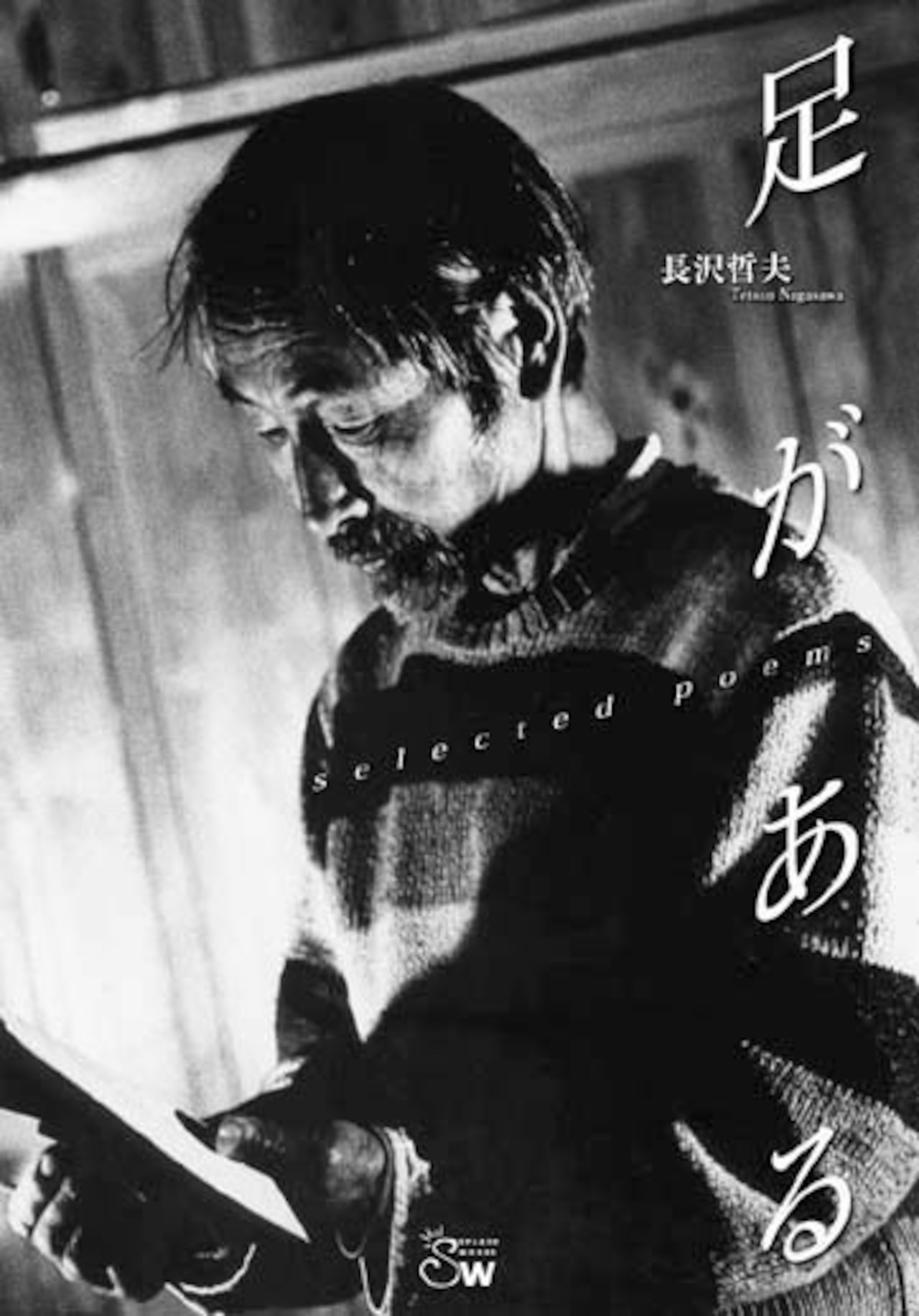
長沢哲夫 Tetsuo Nagasawa «Naga»
En Ashi ga aru, Splash Words, Tokio, 2019.
nuevo pálpito
nuevo aire
nueva sangre
nuevo sol
nueva luz
nueva noche
nueva agua
nueva emoción
nueva piel
nueva risa
nuevo sueño
Todo nuevo eres tú.
滝の詩
新しい高鳴り
新しい息吹
新しい血
新しい岩
新しい太陽
新しい光
新しい月夜
新しい湧水
新しい思い
新しい肌
新しい微笑み
新しい夢
すべてが新しい
新しいのは、あなたです
訳:畑佳恵

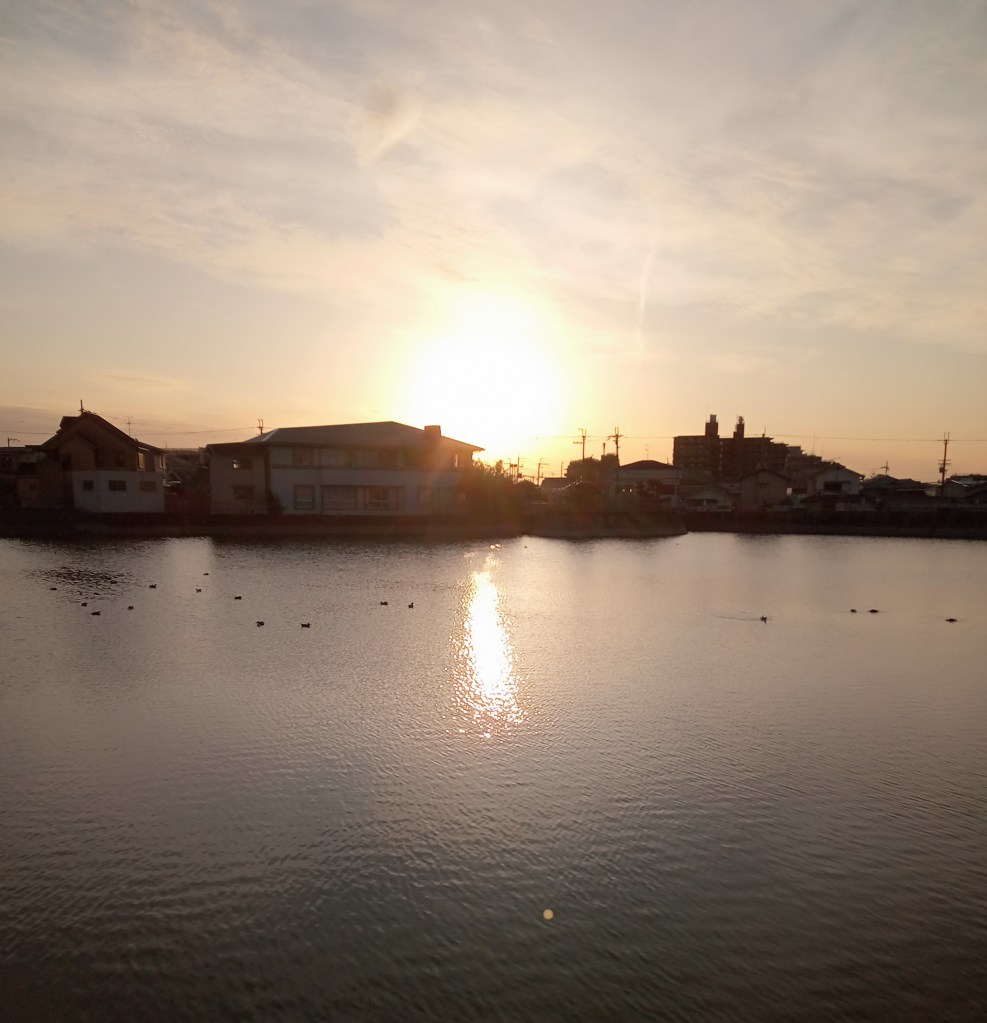
El sol de Sakai, Osaka, mientras se oculta…
堺の夕日
ふたりは心
水の反射
Atardece en Sakai
los dos estamos en el corazón
Reflejo de agua.
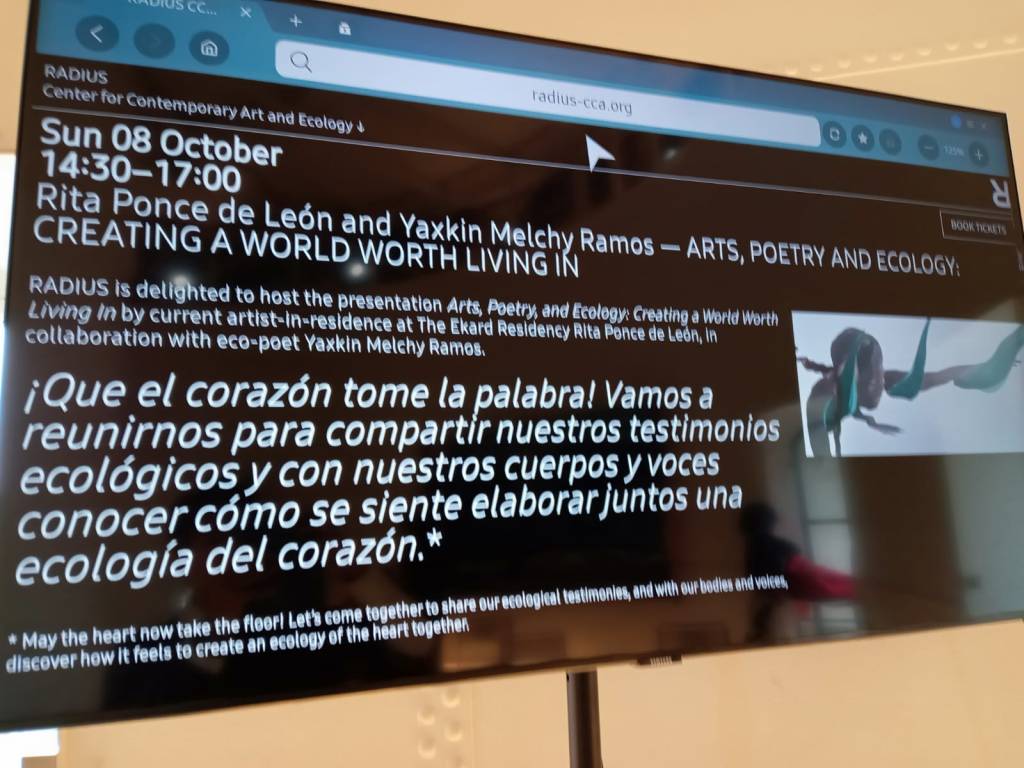
I was invited to Holland by my friend, the artist in residence Rita Ponce de León, and the Ekard artistic residence. We presented a talk with Rita at the RADIUS museum (in the city of Delft), a fascinating Museum of Art and Ecology built in what was once a water tower.
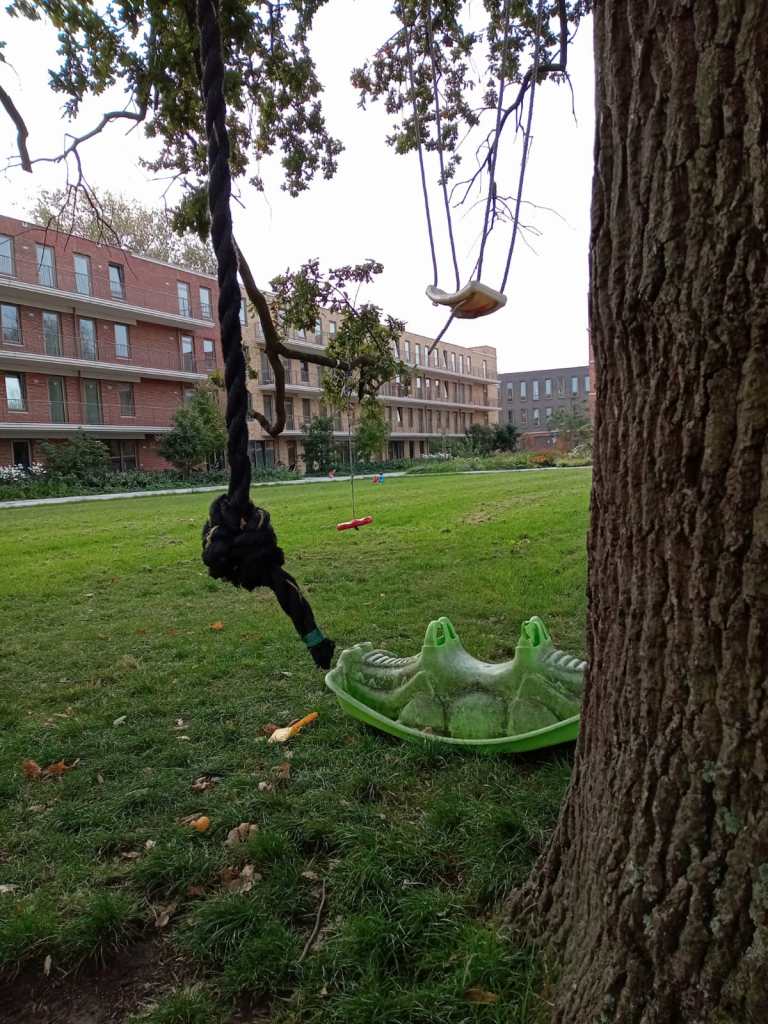
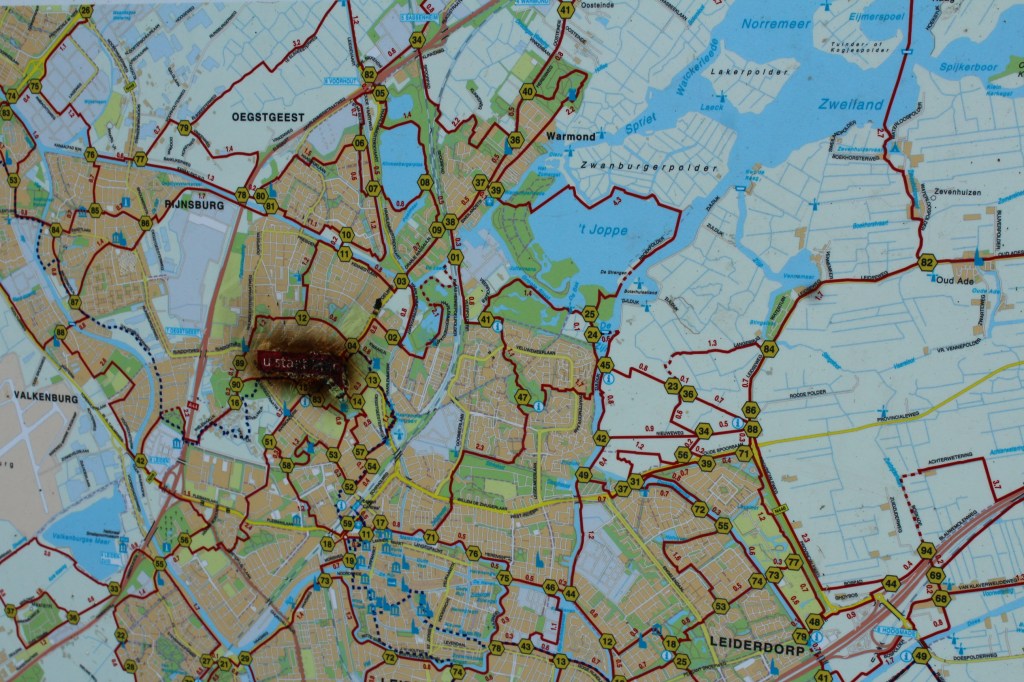
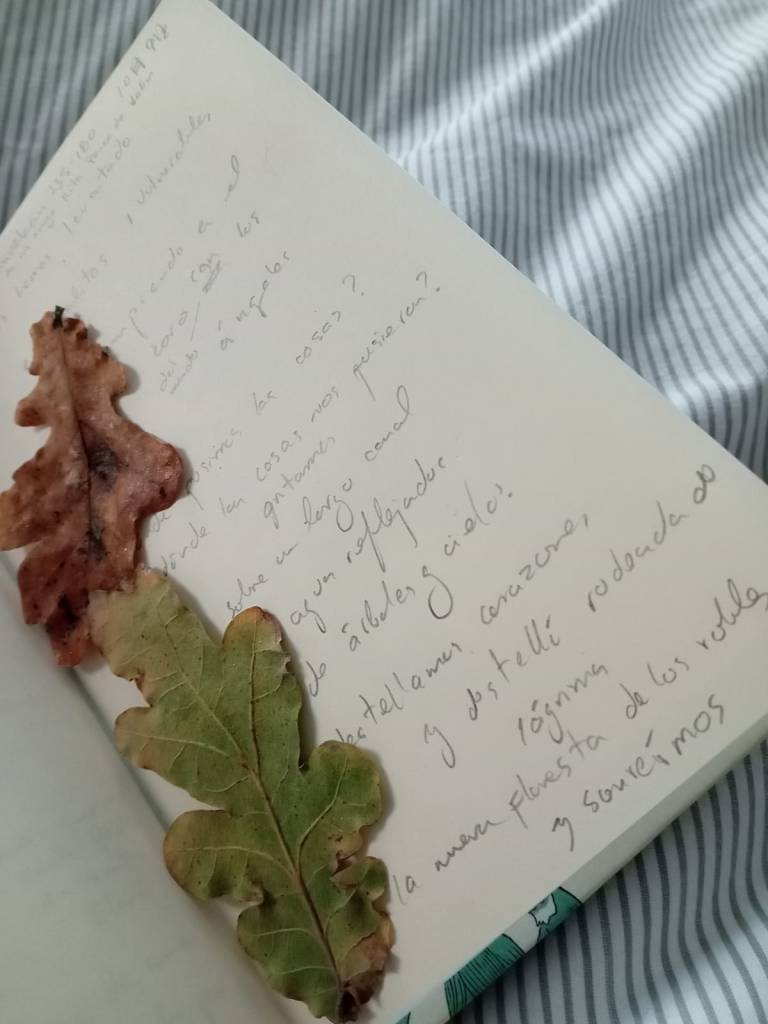
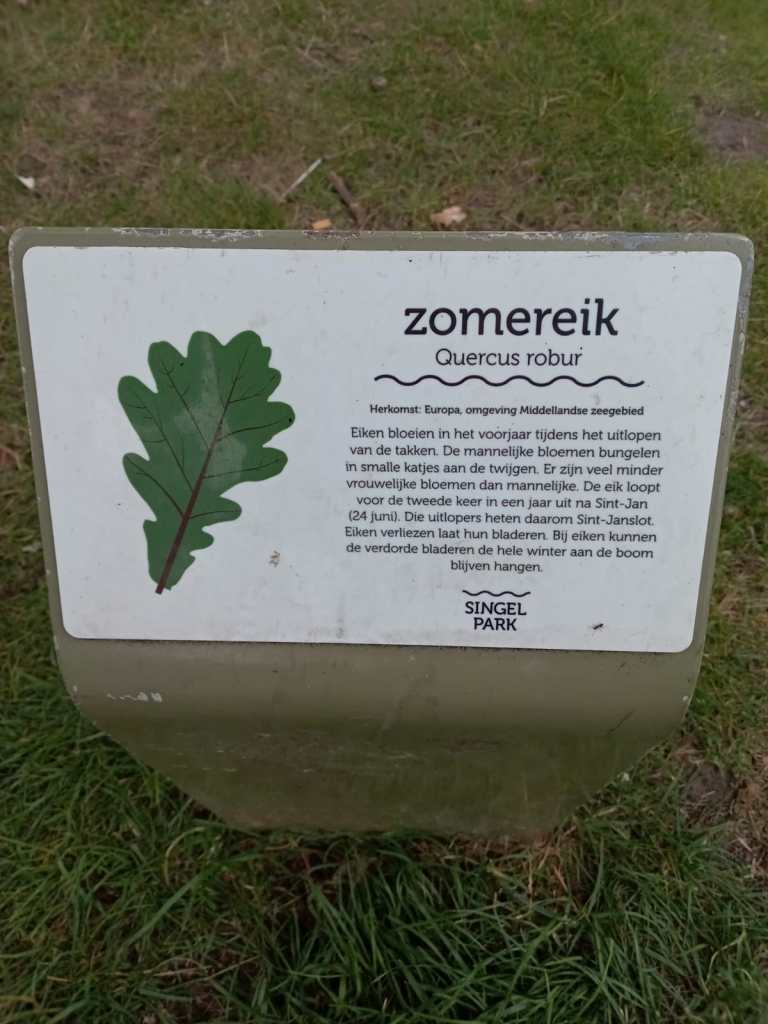
Although my trip to Holland was short, it was very significant since I lived in Leiden for three years as a primary school child. With Rita, we walked through the Meijendel dunes in Wassenaar and Leiden. When I arrived in Holland, I wondered what the ecopoetic meaning of this trip would be. In Meijendel, I realized something in my heart, so I took a fistful of sand and thanked the Dutch lands for the good memories from my childhood, memories of the countryside, the forest, the sea, the canals, and the flowers that made me happy and awakened in me a sense of nature’s beauty. With Rita, we went to my old condominium on Boerhavelaan Street, and we found the oak tree (zomereik) under which I used to play in the middle of the courtyard. Surprisingly, a swing is still under the leaves, meaning children are still visiting this tree. Under the zomereik, I said to Rita, isn’t our life short? With all its dramas, how is our life for a tree like this? For the oak, our life lasts a little longer than summer flies. And despite this, the tree offers itself generously and even feels admiration for our songs, just as we do for the song of the cicadas. Then I told the zomereik -dear oak, here I am back. I grew up and became a poet.
I remember Rita’s words during those days: “Recently, I have only seen comments from scientists who are very sad, angry, and worried about the climate crisis.” For some people, ecological concern makes them forget their love and gratitude for being part of the earth. With Rita, we discussed some ideas:
During the presentation at RADIUS, we made a small offering, discussed our work in synchrony (between the plastic arts and poetry), and led an «ecopoetic exercise» of memory and gratitude with the attendees.
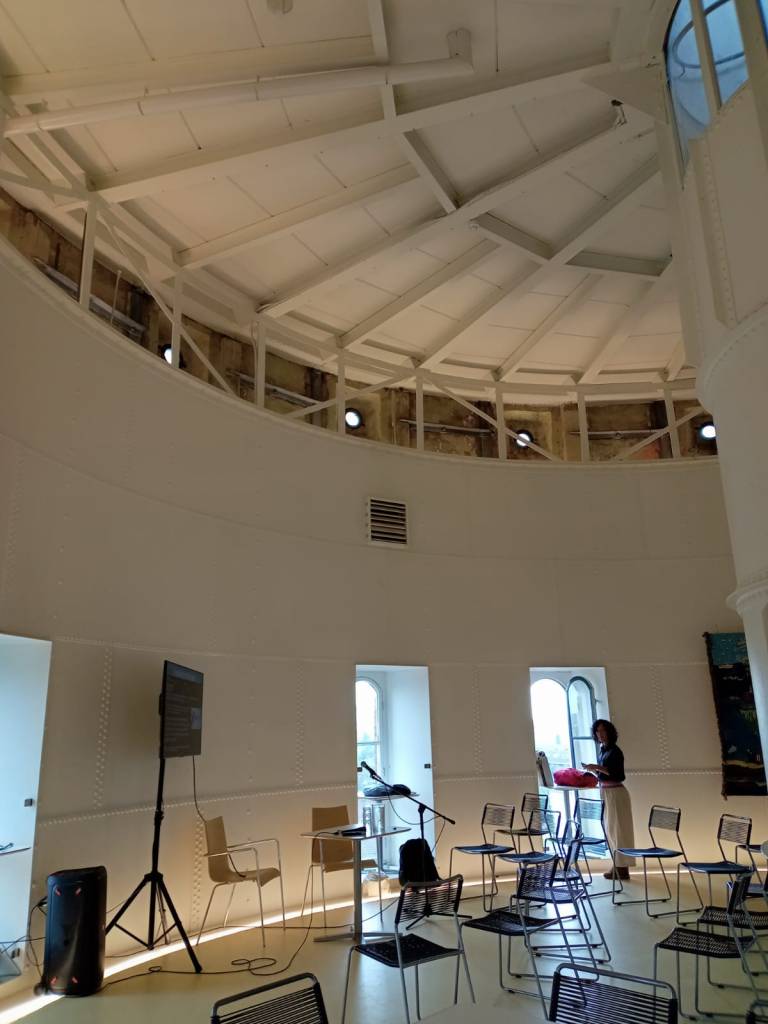

Finally, I thank Renee and Bob, our hosts at the Ekard residence, Sanne Luteijn and Niekolaas Johannes Lekkerkerk, who managed the presentation at Radius, and photographers Newsha Tavakolian and Maarten Nauw for the photographs of this encounter with the lands of Holland. Also, thank you to Claire van den Donk for translating my poem into Dutch.
Wat doet een dichter?
(¿Qué hace un poeta?/What does a poet do?)
Hij verklaart de hemel met zijn zang
uit zijn bloed geboren
in eeuwige beweging
zijn bloed is het bloed van de rivieren
de ideeën in zijn geest
niet één valse schepping
want hij is zelf de schepping
het licht van de bladeren rakend
De sterren passen in de palm van zijn hand
zoals hij past in de handpalm van zijn broer
van zijn vriend, zijn metgezel,
van zijn geliefde
Zijn woord is er om
de moderne rook
die zich vastklampt en in onze harten nestelt
te verdrijven
Het lied van de dichter blaast
en waait het stof op,
troebleert de zeeën
met roerende rust
laat de keien lachen
de vogels verfijnen hun lied,
rivieren vloeien samen door hun zang
als kinderen die van dezelfde vruchten eten
Met zijn poëzie weeft hij
iets lumineus en schoons
dat in een oogwenk wordt verspreid
en de ochtenden van de wereld
bedekt met een zonnedauw
alle ochtenden van de nieuwe wereld
Hij deinst terug
voor de schitterende fascinatie
van zijn literaire vaders
hij laat de mantel van fascinatie achter
hangend aan een kapstok
en gaat naakt, ongekleed
met het lied van zijn haarstrengen
die onderweg vallen
op zijn kussen
op de badkamervloer
op de aarde van de buurt
op de bron waar hij zijn hoofd in onderdompelde
zoals de universiteit
waar hij zijn tijd bakkeleiend doorbracht
met onnozelen
dezelfde universiteit
waar hij ’s middags
de heldere spiegel van woorden bestudeerd
(een helderheid diepzinnig maar ook verontrustend)
Hij verliest strengen haar terwijl hij leest
wanneer hij zingt
als hij halthoudt om te luisteren
wanneer hij zijn broeders over het leven leert
terwijl hij deze zintuigen verliest
en zijn ogen en oren en zijn andere ogen
die nog steeds ruimte voor trots bewaren
en zijn nagels en zijn huid
en zijn botten
Hij heeft de hunkering naar het creëren achtergelaten
maar zijn ziel gaat voort, gezuiverd nu,
tot in de eeuwigheid.
Dan wordt er nog een dichter geboren:
— … Waar de oude meester ooit woonde
staat nu een boom.
San José, Pucallpa, 2016.
Ciudad de México, 2018.
Tsukuba, 2020.
Vertaald door Claire van den Donk, ARTDOK Research & Translations

Fui invitado a Holanda, por mi amiga la artista en residencia Rita Ponce de León y la residencia artística Ekard. Con Rita presentamos una plática en el museo RADIUS (en la ciudad de Delft), un fascinante museo de arte y ecología construido en lo que fue una torre de agua.
Aunque mi viaje a Holanda fue corto, fue muy significativo, pues yo viví tres años en Leiden cuando era un niño de primaria. Con Rita paseamos por las dunas de Meijendel, en Wassenar, y por Leiden. Cuando llegué a Holanda, me preguntaba cuál sería el sentido ecopoético de este viaje. En Meijendel me di cuenta de algo en mi corazón, tomé un puño de arena y le agradecí a las tierras holandesas por los buenos recuerdos de mi niñez, el campo, el bosque, el mar, los canales y las flores que hicieron felices mis días y despertaron en mí un sentido de la belleza de la naturaleza. Junto con Rita fuimos al antiguo condominio de la calle Boerhavelaan y encontramos, en medio del patio, el roble (zomereik) bajo el que solía jugar. Sorprendentemente todavía se encuentra un columpio debajo de su fronda, lo que significa que hay niños que visitan a este árbol. Bajo el zomereik le dije a Rita: ¿no es corta nuestra vida? Con todos sus dramas, ¿cómo es nuestra vida para un árbol como éste? Para el roble, nuestra vida dura un poco más que las mosquitas del verano. Y a pesar de ello, el árbol se ofrece generosamente y hasta siente admiración por nuestros cantos, tal como nosotros sentimos admiración por el canto de las cigarras. Luego le dije al zomereik — querido roble, aquí estoy de regreso, crecí y me volví poeta.
Recuerdo unas palabras que me compartió Rita hace unos días: “Recientemente sólo he visto comentarios de científicos muy tristes, enojados y preocupados por la crisis climática.” Para algunas personas, la preocupación ecológica les hace olvidar el amor y la gratitud por formar parte de la tierra. Con Rita conversamos algunas ideas:
Durante la presentación en RADIUS hicimos una pequeña ofrenda, hablamos de nuestros trabajos en sincronía (entre las artes plásticas y la poesía) e hicimos un ejercicio ecopoético de memoria y agradecimiento con los asistentes.
Por último, agradezco a Renee y Bob, nuestros anfitriones de la residencia Ekard, a Sanne Luteijn y Niekolaas Johannes Lekkerkerk, que gestionaron la presentación en Radius, y a los fotógrafos Newsha Tavakolian y Maarten Nauw por crear un registro fotográfico de este encuentro con las tierras de Holanda. También a Claire van den Donk por la traducción de mi poema al holandés.


Yaxkin Melchy Ramos
Poems translated by Alice Whitmore (2018)

If you grow tired, sleep
when you wake, focus
on the deepness of the well-worn
and rest,
watching the stars.
¿Why have I gone?
Why have I come here, alone
A, distant star
H, distant star
Y, distant star
Stars that dance, yes
from here you can see the waltz of their celestial bodies
constellation of lights swirling in the current of time
¿Conjunction?
¿Alignment?
Something more, the dancing figure is a dragon, a river, a tree,
these three things in a waterfall.
Our faces grow old
and covered with clouds.
Moss that grows on our heart,
barges left on the sand,
ignored by passing children
crabs, the distant islands
and choirs of a fire somewhere.
Our hands touch
murmuring in the grass
and in the green.
This is the universe
canoes shaped from songs
in a trail of light
that never dies.
He explains the sky with his song
with the song that is born from his blood
eternal movement
his blood is the blood of the rivers
the ideas in his mind
not one false creation
for he is creation itself
touching the light of the leaves
The stars fit in the palm of his hand
as he fits in the palm of his brother’s hand
of his friend’s, companion’s,
lover’s
His word is there to clear
the modern smoke
that clings and nests
in our hearts
The poet’s song blows through
and lifts the dust
and worries the seas
with its moving calm
it makes the stones laugh
the birds brighten
their song, the singing merges rivers
like children who eat from the same fruit
He weaves with his poems
something luminous and fine
that in a moment is diffused
and covers in a solar mist
all the mornings of the world
all the mornings of the new world
He shies away
from the fulgent beauty
of his literary forebears
he leaves the cape of fascination
hanging on a coat stand
and walks naked, unclothed
with the song of his shedding strands
which fall by the way
against the pillow
against the bathroom floor
against the neighbourhood earth
upon the fountainhead he used to visit
like the university
where he spent his time arguing
with too-thick peers
the same university
where he goes in the evenings
to study the limpid mirror of words
(its clarity is deep but unsettling)
He loses strands of hair while he reads
when he sings
when he stops to listen
when he teaches life to his brothers
when he starts to lose these senses
and his eyes and his ears and his other eyes
that still reserve a space for pride
and his nails and his skin
and his bones
He left behind the craving for creation
but his soul continues, clean now
for the rest of eternity.
Then another poet is born:
—…Where the old maestro lived
now there is a tree.
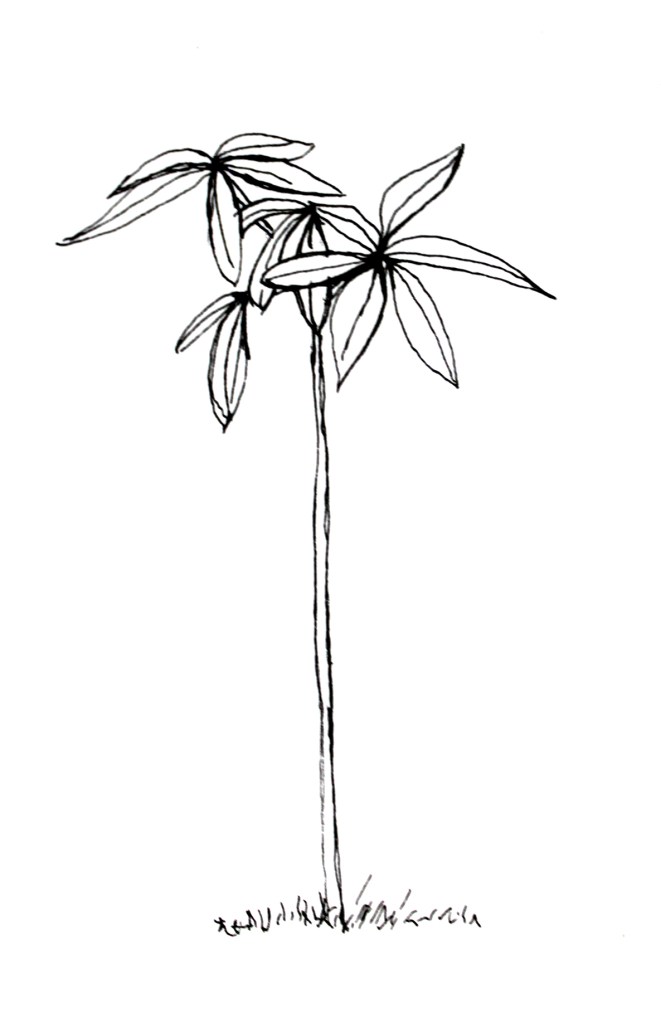
Comparto publicaciones y reseñas del año que acaba de pasar, siempre agradezco las miradas que se comparten.
Este mes, enero de 2024, comienza un nuevo año en Japón, con terremotos y con esperanza.
También la tierra que ha fructificado en otoño se recupera para volver a nacer en la primavera.
Gracias, a Kathy Wu y la Rain Taxi Magazine, Ryan Greene (traductor de muchos poemas míos al inglés), Giancarlo Huapaya y Cardboard House Press;
Gracias a Rob McLennan, Genevieve Kaplan y Veliz Books;
Gracias a Adrián Ibarra , Luz bajita y También el caracol.
Gracias a The Offing Magazine.
Finalmente a Nicholas Grosso, Sabrina Morreales y Lorenzo Perri, curadores de la Architecture Book Fair por seleccionar el libro dentro de la curaduría de obras.
I want to share some reviews from the year that has just passed; I always appreciate new readings of poems and people who share their views.
This month, January 2024, a new year begins in Japan, with earthquakes and with hope.
Also, the land that has fructified in autumn is recovered to be born again in the spring.
Thanks to Kathy Wu and Rain Taxi Magazine, Ryan Greene (translator of many of my poems in English), Giancarlo Huapaya, and Cardboard House Press;
Thanks to Rob McLennan, Genevieve Kaplan, and Veliz Books;
Thanks to Adrián Ibarra, Luz bajita, and Tambien el caracol.
To The Offing Magazine
Finally to Nicholas Grosso, Sabrina Morreale and Lorenzo Perri, curators of the Architecture Book Fair 2023.

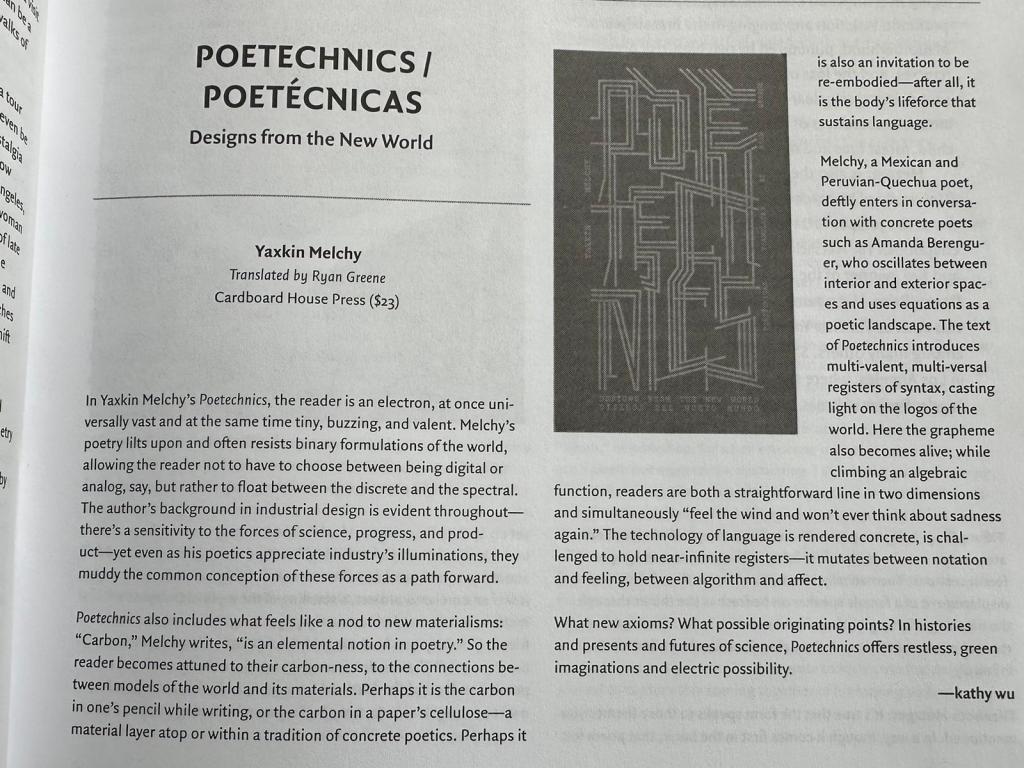

Poetechnics (Cardboard House Press, 2023) book in Spanish/English

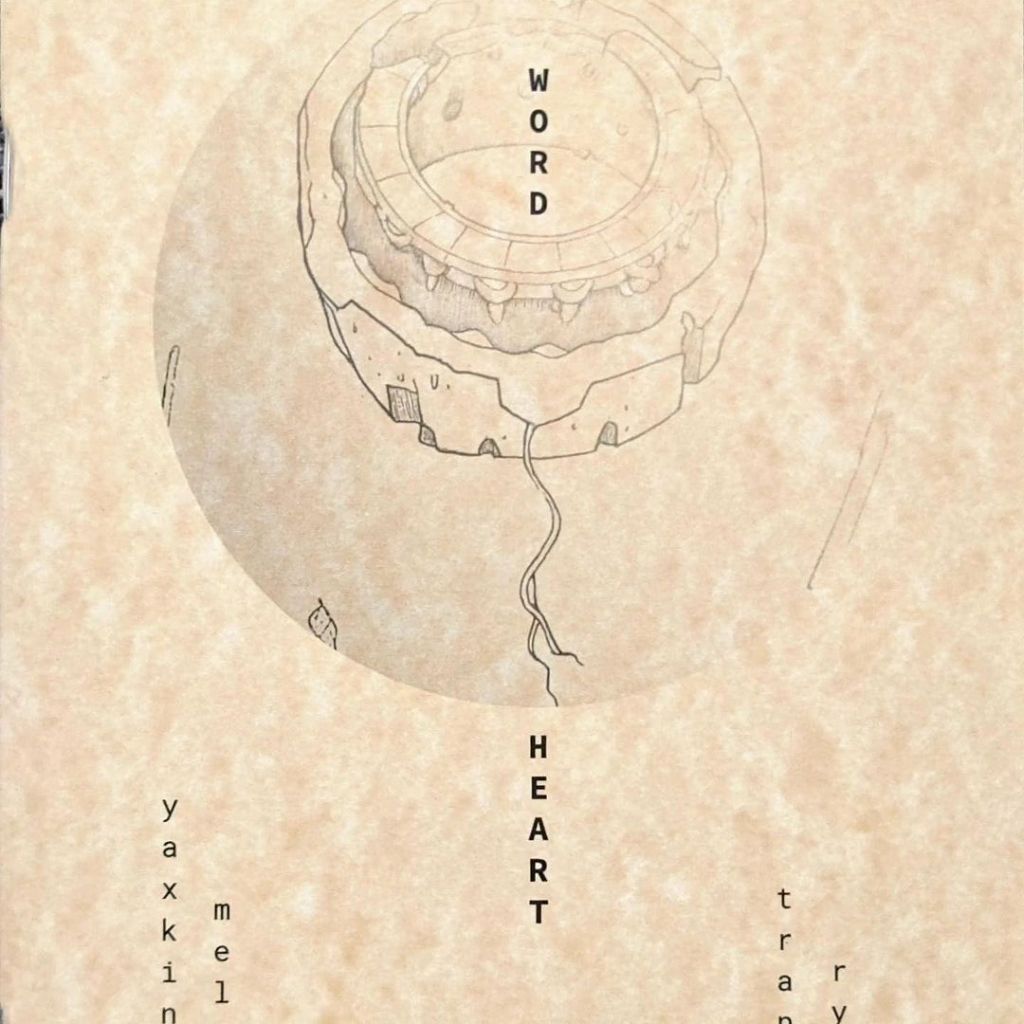

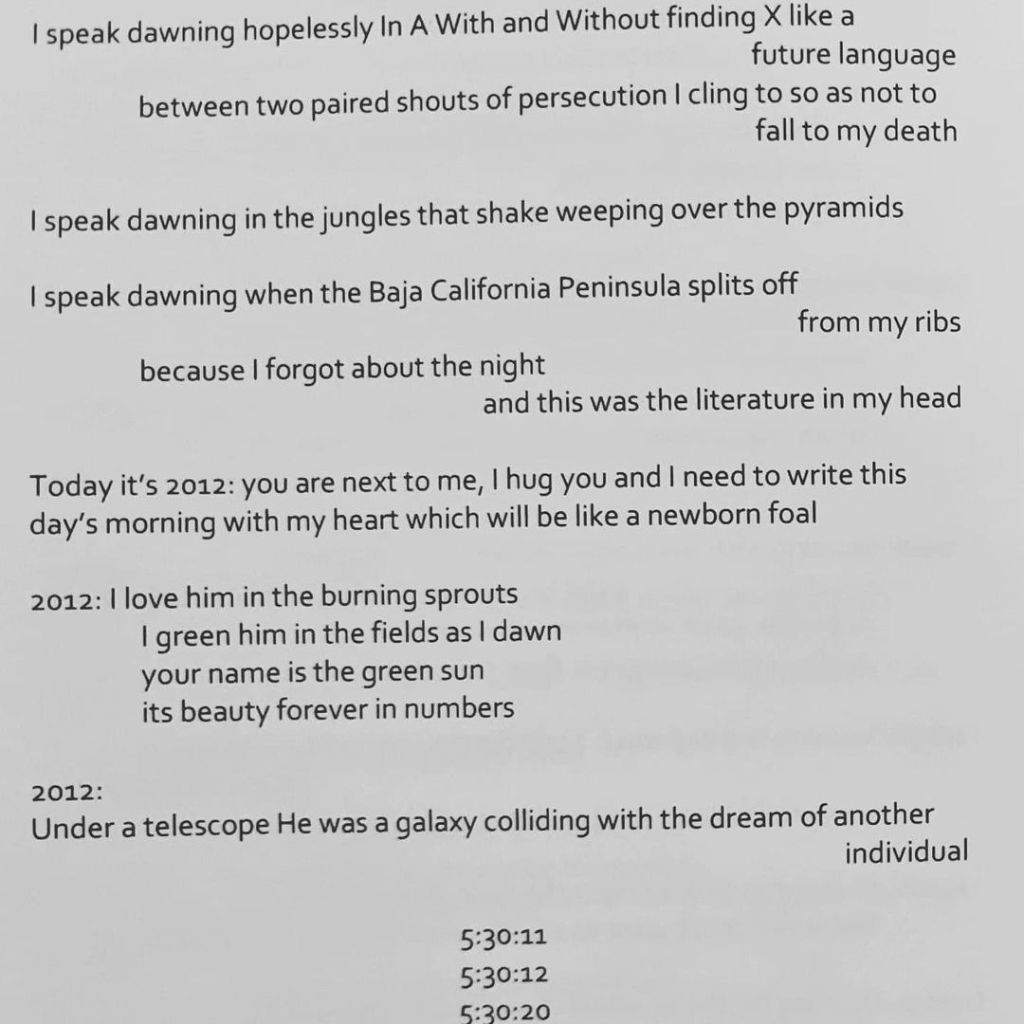
Word Heart (Veliz Books-Toad Press, 2023) chapbook in English


Mandalas (También el caracol, 2022) Anthology of modern Japanese poetry, book in Spanish/Japanese
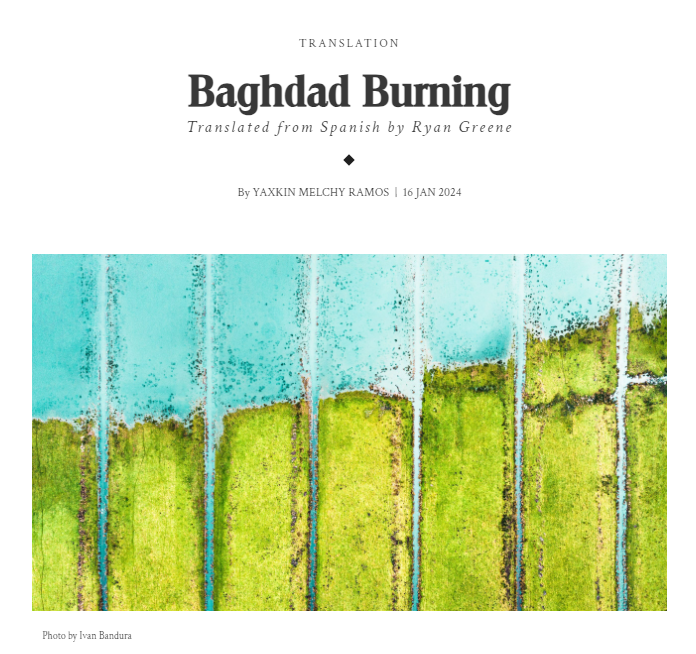
Baghdad Burning (in The Offing, 2024) poem in Spanish and English

Poetechnics (curator’s selection for the Architecture Book Fair, 2023)

