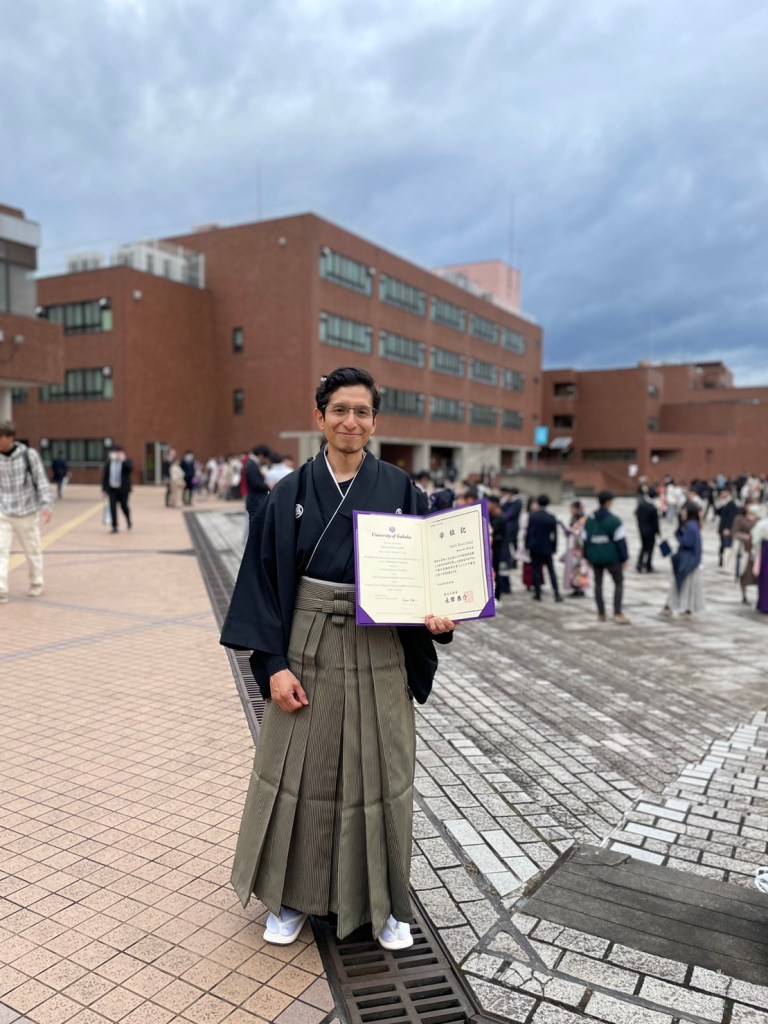
Good afternoon, everyone. Greetings to President Nagata, Deans, Professors, Families, and the class of 2023. Thank you for letting me to share some words in this important graduation ceremony.
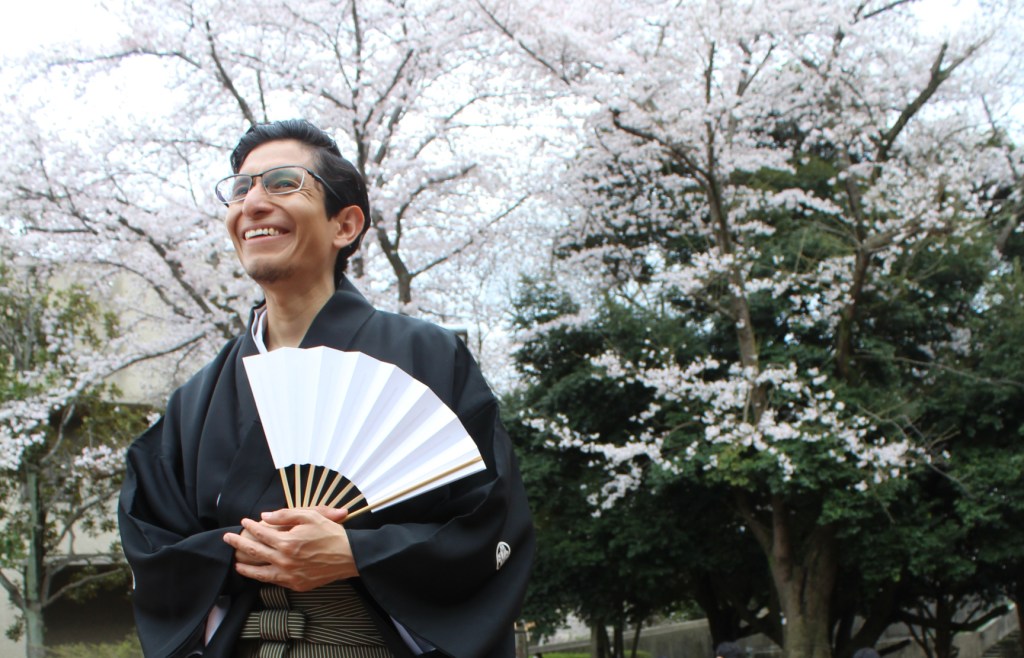
It is again spring, and earth reminds us of its cycle through which life renovates itself. Again spring gives us an excellent example of the resilience of life and inspires us to think of our human paths in the same way, as paths of resilience through which knowledge and heart contribute to humankind’s growing and renovation cycles.
The last years have been quite a unique journey of challenges. We have all experimented hardship and frustration because of the pandemic, but at the same time, hope and an incredible opportunity for silence and deep reflection. I came from Mexico in 2019 and entered the Doctoral Program in Humanities three years ago, just when the COVID-19 pandemic made us retreat to our houses and challenged us to continue our studies in new ways. I was incredibly amazed by how our professors and the academic staff kept going and envisioned new ways and opportunities to continue the classes and activities of the University. I am incredibly thankful to all of them because they taught me how education is sustained not merely in books or information but in people and the daily effort of making the connections for technology to be useful and take care of life. In addition, I discovered how much knowledge is connected with life, within the intimate scope of our families, friends, nature, and God. Knowledge is connected to all the intimate relationships through which we can participate in growing a healthy society.
Also, studying during the pandemic opened new doors for me: a new way to enter into contact with nature and a more subtle rhythm of life, taking care of myself and building awareness of the people around me. Japanese society also showed me their unique strength in front of adversity, and I received many demonstrations of solidarity and generosity from my friends that I will never forget.
The University of Tsukuba provided me with a safe space. Its beautiful campus, surrounded by nature, became a second home for my silent readings and research activities. The environment showed me how nature supports, with its therapeutic presence and beauty, the development of human knowledge, because we are nature too. Tsukuba University community also includes its kobushi, sakura, ume, sarusuberi, metasequoia, ginkgo, momiji and keyaki trees, its fauna and ponds, its laboratory and research animals, just as library and cafeteria. I am especially thankful to all the people who take care of those spaces and lives for providing a safe space for research, experiments, dialogue, and reflection. During my research, I had the opportunity to cross between Humanities and Sciences, poetry, and technological innovation, to look at how we care for this world and our human communities from different angles. This opportunity ignited in my path incredible questions about the meaning of study.
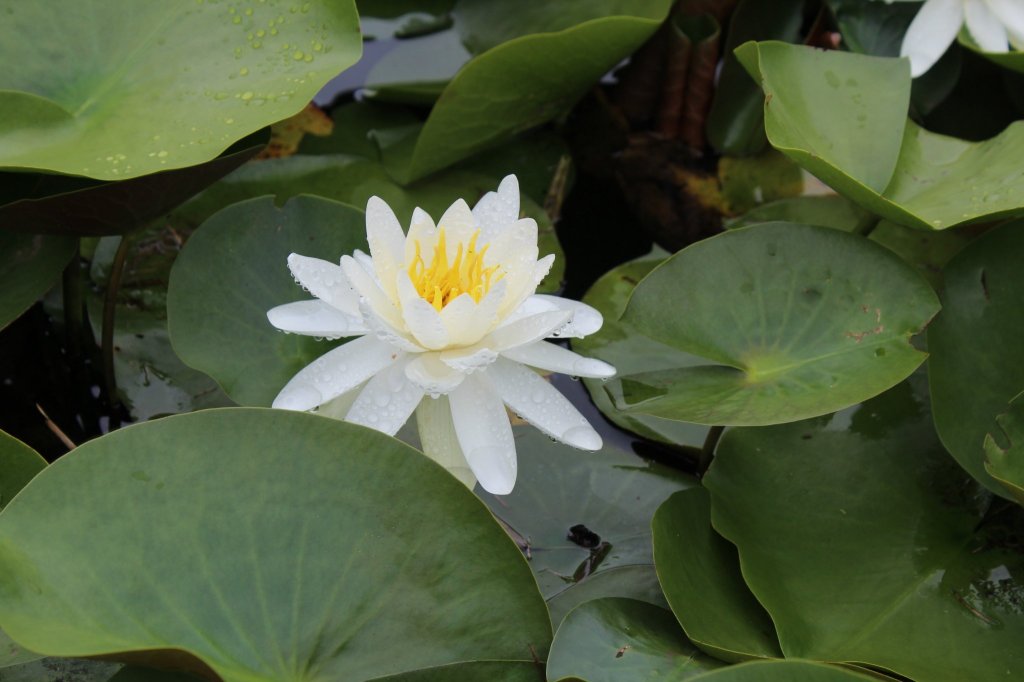
My most significant learning in this University is about making questions, not just theoretical but ethical, what do we aim for when creating knowledge? What do we seek when developing new technologies? What do we strive for when envisioning the future? I would say that it is mainly to walk a path connected to health, peace, and beauty. In times in which many drastic changes are taking place, and the ethical grounds of modernization are constantly being threatened, I wish this University will continue being a refugee for relationships of health, peace, and beauty because those are the paths crossing beyond past and future generations, the pathways of renovation and resilience, just as the flowers of kobushi. In addition, the University of Tsukuba’s international environment has given me an incredible opportunity to envision how these paths intersect and work together rather than diverge and struggle, crossing languages and cultures. An old Aztec poem said that when many wise people and poets from different towns once gathered to discuss the meaning of human life on earth, after a long poetic exchange of many days, they agreed that one of the meanings of life was having that same opportunity to encounter between them. For me, this is the spirit of University, the nature of wisdom through which knowledge can guide our way of living together on earth, creating a world worth living.
I sincerely thank God, professors, families, friends, and all living beings that sustain our lives.
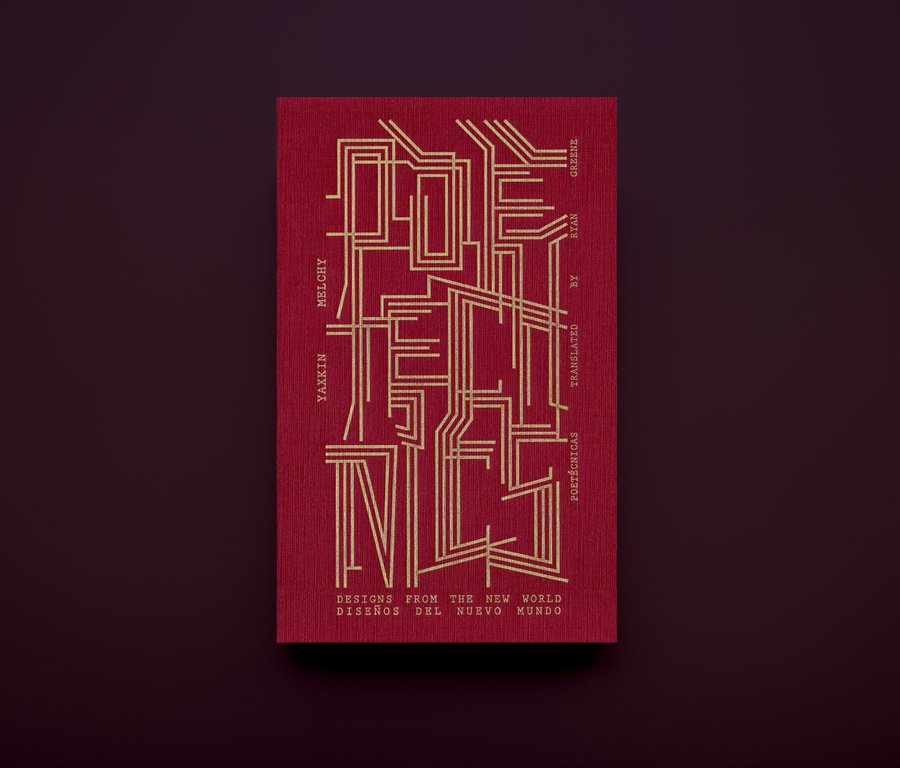
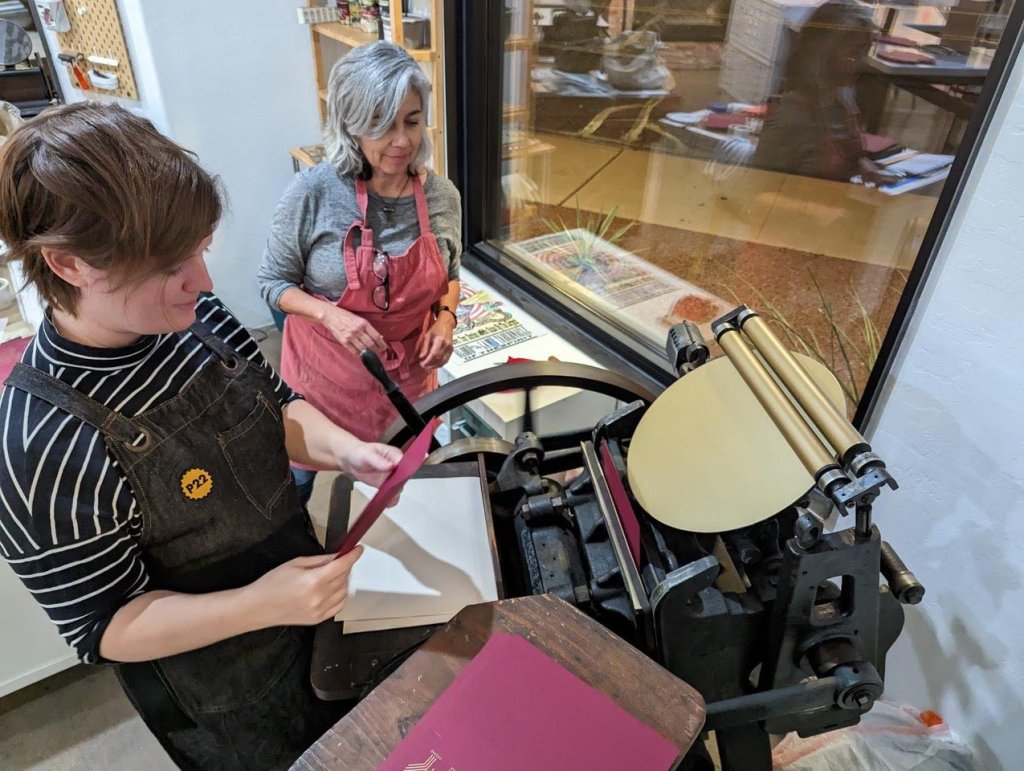
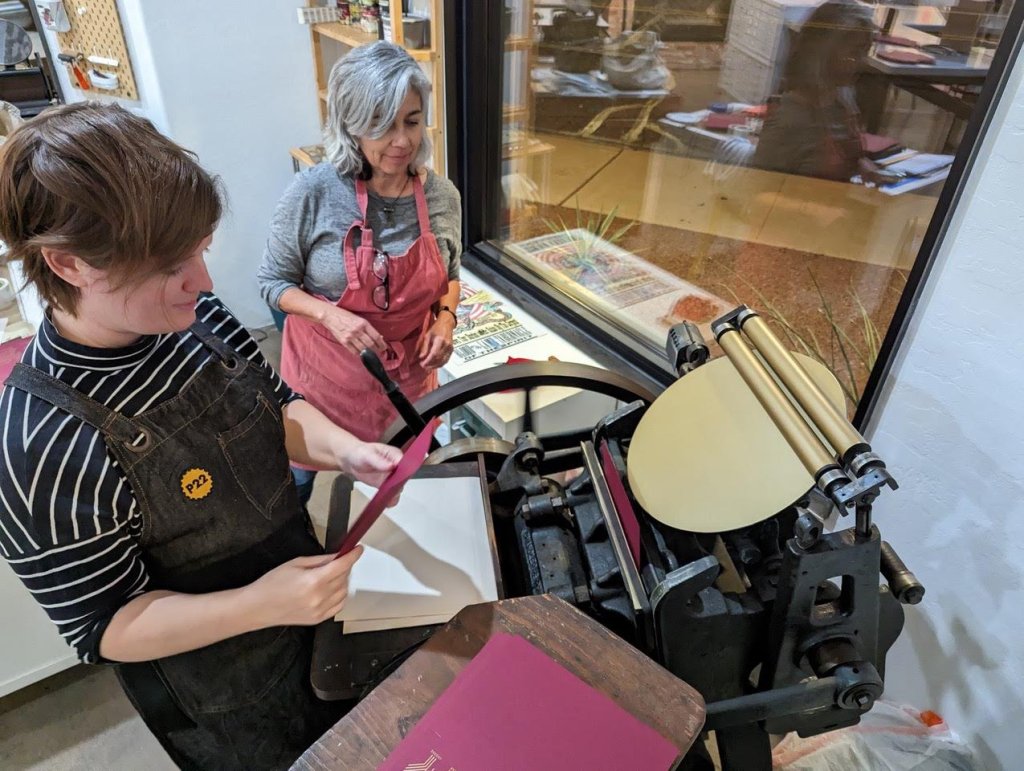
Now available for PRE-ORDER! POETECHNICS by Yaxkin Melchy and translated from Spanish by Ryan Greene! A Cartonera Collective Series book made by hand in community workshops with covers letterpress printed with Shut Eye Press!
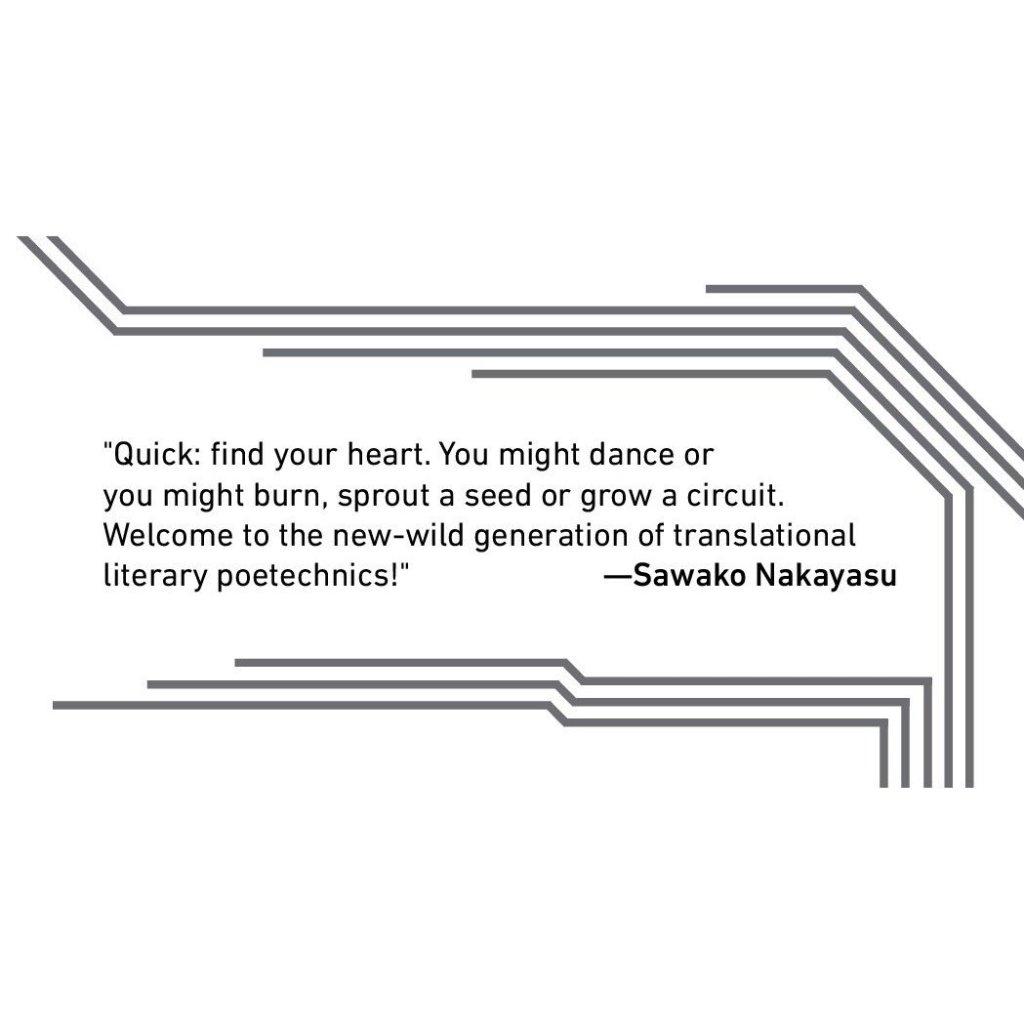
Thank you, to the poet-editor Giancarlo Huapaya and the Cardboard House Press team, Ryan Greene, for the careful translation, and Sawako Nakayasu for her reading. A beautiful and complete artisanal work of edition for this heart-fi sci-poetry.
(Appunti sciolti di poesia per la lezione del seminario visionario della Chiesa dell’Amore di Cristo di Tsukuba)
Yaxkin Melchy
Vivo in Giappone da quattro anni. Qui mi hanno chiesto di impartire una lezione di poesia per i bambini della chiesa cristiana. Hanno appena cominciato un progetto scolastico e mi hanno invitato ad un ciclo intitolato “seminario visionario». Sebbene il gruppo sia ancora piccolo, è stata una bella sfida fare lezione in giapponese ed è stato molto stimolante parlare di metafore e di ciò che ho scoperto sulla poesia, durante la mia vita.
Riepilogando, ho parlato di due vie: quella della metafora o hiyu e quella della contemplazione in stile shasei 写生; vale a dire, il pensiero immaginativo ed il pensiero contemplativo. Siccome è importante parlare dal cuore e con esperienza, ho detto ai bambini che Dio dà la poesia per percepire il paradiso in Terra. Ultimamente, mi è venuta l’ispirazione di parlare di queste cose, di ciò che comunemente chiamiamo “poetica» e ho preparato alcuni appunti per il seminario visionario. Qui li espongo. Nonostante il contesto sia cristiano, io credo che sia valida anche come poetica d’arte generale, in una visione più ampia e spirituale.
Questo è ciò che ho detto a quei bimbi e a quelle bimbe accoratamente, alcuni di loro con veri talenti artistici.
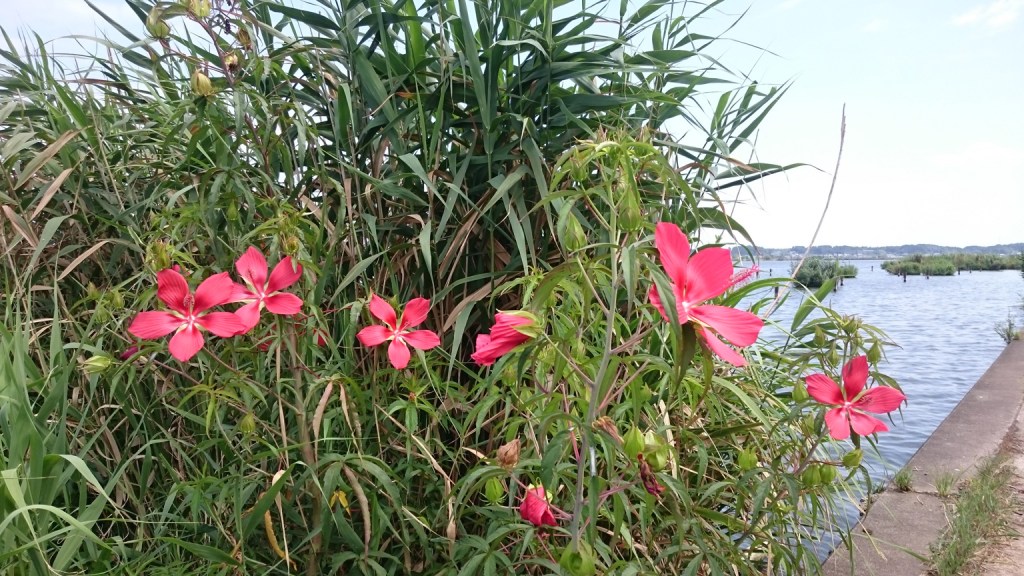
Poetica del fiore scarlatto
C’è solo una cosa eternamente bella ed è Dio. Ma perché esiste la bellezza?
Se il mondo non fosse bello, se Dio avesse creato un mondo brutto, non conosceremmo la letizia del Paradiso.
Se il mondo fosse noioso, grigio, sarebbe un guscio vuoto e gli uomini non saprebbero dove riconoscere Dio. Riconosciamo Dio quando vediamo tutti i colori.
Se l’altitudine del mondo fosse la sua superficie, gli uomini cercherebbero di porsi al di sopra di Dio.
Tutti gli artisti hanno parlato di altezza e profondità. Ciononostante, sappiamo ciò che significa davvero?Dio è alto e profondo allo stesso tempo, ma è ad un solo passo di distanza dal cuore che lo cerca.
Dì ai tuoi fratelli e sorelle: Dio è colui che ti mostra ciò che c’è in fondo al pozzo, dunque cosa c’è in fondo al pozzo?
Dio è colui che ti mostra ciò che c’è nelle altezze del cielo, dunque cosa c’è nelle altezze del cielo?
Angelo della poesia. L’arte che contiene amore ci ricorda la creazione, ci mostra il paradiso e ci ispira le lodi. Per questo lo Spirito si annida nell’arte, giacché lo Spirito sempre ricerca nuove forme per costruire la sua dimora.
Se sei un artista, desidera la bellezza per il tuo prossimo.
Se lo fai, sotto la pioggia troverai il fiore che mai appassisce.
Tradizione o sperimentazione?
Entrambe.
A Dio piacciono le grandi opere del passato come anche quelle future poiché egli è la fonte d’ispirazione delle grandi opere che ancora non sono manifeste.
Di cosa ha bisogno un artista per sopravvivere nel mondo?
Coraggio. Osa rimanere nudo senza abbracciare la tristezza del cuore. Un vero artista si mette a nudo. Pelle ed ossa nude. Nudo fino al tempo e allo spazio.
Un amore folle per la luce dello Spirito. È come una sete di conoscere Dio al di là del tempo, della cultura o del linguaggio.
È come una luce di una stella che ha viaggiato attraverso l’universo per milioni di anni.
Passione ed energia. L’energia dello Spirito è il carburante del talento.
E “colui che possiede del talento, possiede talento, stelle che brillano nel cielo» scriveva il poeta Enrique Verastegui
Sapere per chi si lavora e da dove proviene l’ispirazione. Incontra nella tua anima le gioie della creazione.
Trasformati in un campione della Luce e combatti contro la falsa bellezza. Quella è la libertà dell’arte.
Qual é il segreto della poesia?
(Che io ho scoperto)
Il segreto della poesia sta nella creatività e si snoda cosí:
Nella cultura occidentale.
Il pensiero immaginativo = forza immaginativa
La similitudine (chokuyu, mitate)
La metafora (hiyu, inyu, tatoe)
Poeta = profeta (già in epoca romana)
Nella cultura orientale.
Il pensiero contemplativo = forza contemplativa
Lo shasei (captare e plasmare ciò che si osserva nella realtà)
«Nos dias de hoje, uma época de dilemas e angústias produzidas por nosso mundo moderno e civilizado, que entrou em crise ecológica e em esgotamento do sentido da vida que vale a pena viver, a poesia é uma de nossas heranças genéticas mais importantes. Na palavra poética se esconde o DNA do mundo do qual precisamos para aprender a habitar-existir de outra maneira, a partir do diálogo. Mas se realmente quisermos escutar o que a poesia nos ensina neste sentido, devemos restaurar sua dignidade em nossa vida cotidiana, em nossa sociedade, e aceitar o canto e as artes como mestres de nossa mente. Como podemos falar de outra maneira? Essa é uma boa pergunta, uma pergunta humilde, um pedido para que ela nos ensine.» En https://mataviva.site/Yaxkin-Melchy
Este mês recebi o bom presente de uma entrevista sobre poesia e ecologia que o bom Felipe Melhado traduziu para o português para o projeto Mataviva. Mataviva é um projeto brasileiro (baseado no rio Paranapanema) com foco nas artes e no meio ambiente. Falei sobre o Japão, ecopoesia, minha vida, pessoas admiradas com quem há um diálogo espiritual e poético. Com ilustrações de Elias de Andrade e uma seleção dos meus poemas em português. Muito obrigado.
Este mes recibí el buen regalo de una entrevista sobre poesía y ecología que el buen Felipe Melhado tradujo al portugués para el proyecto Mataviva. Mataviva es un proyecto brasileño (con base en el río Paranapanema) con enfoque en las artes y el medio ambiente. Yo hablé de Japón, de la ecopoesía, de mi vida, de las personas admiradas con las que existe un diálogo espiritual y poético. Con ilustraciones de Elias de Andrade y una selección de poemas míos en portugués. Muito obrigado.
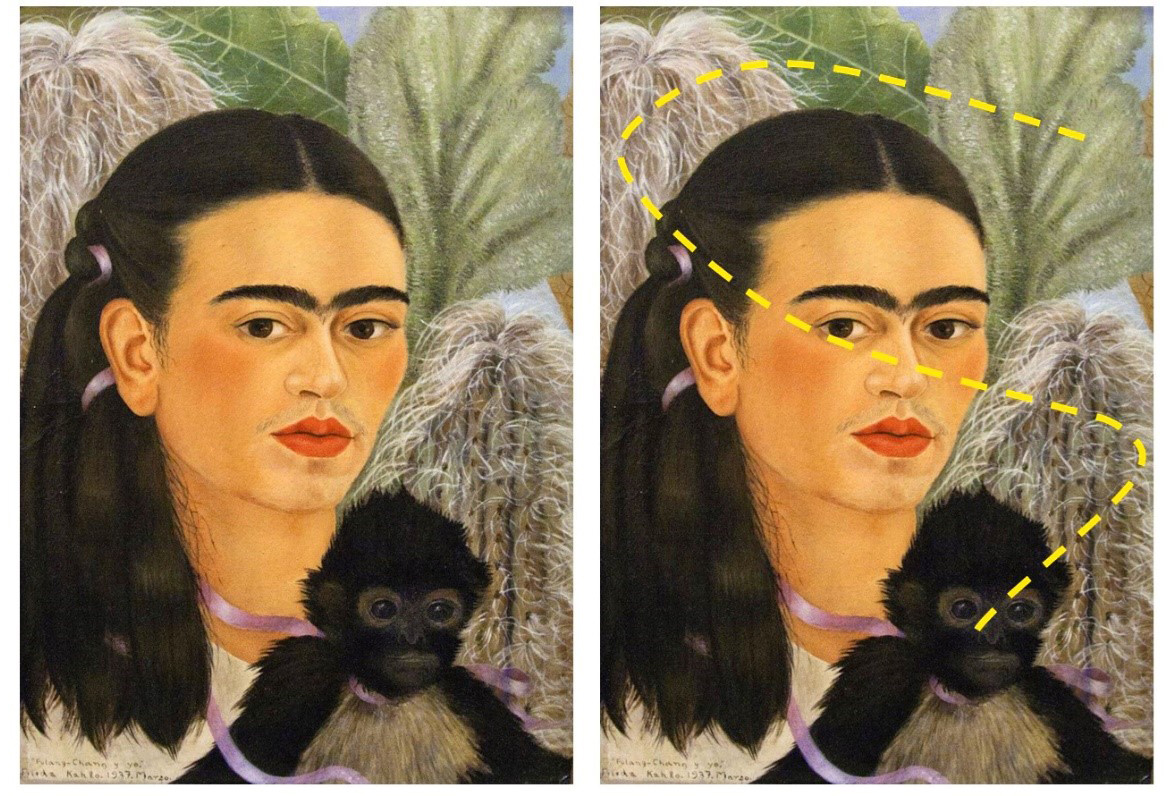
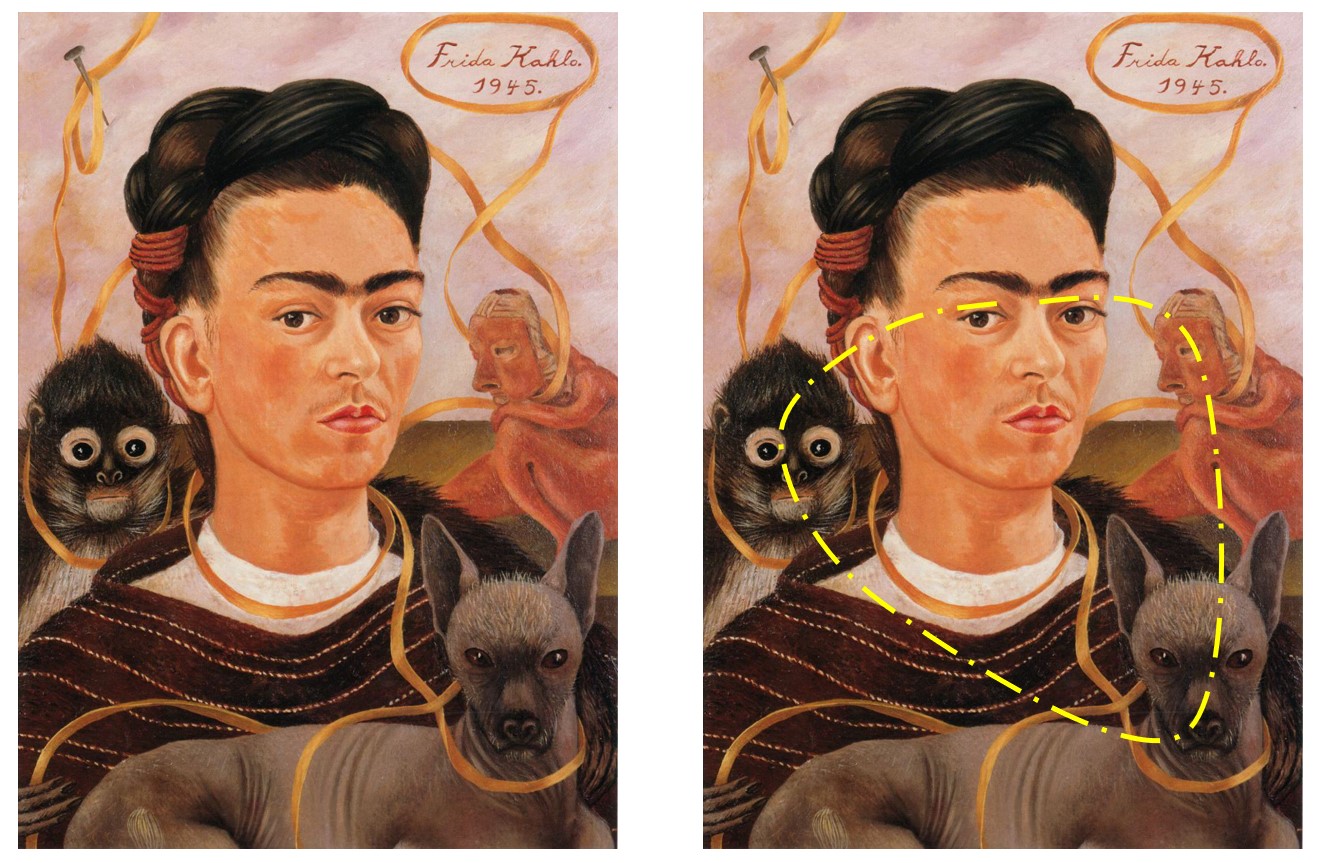
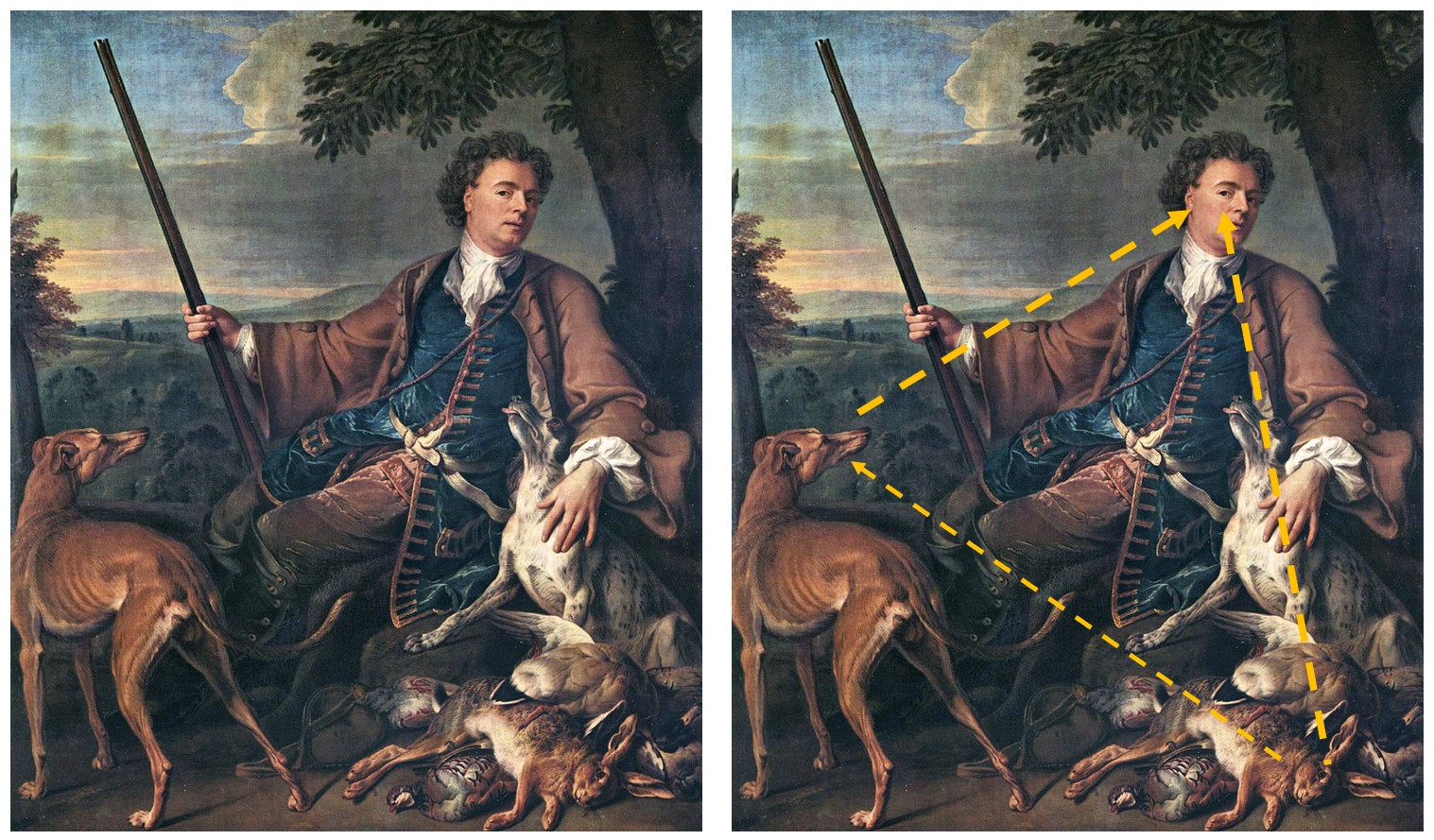
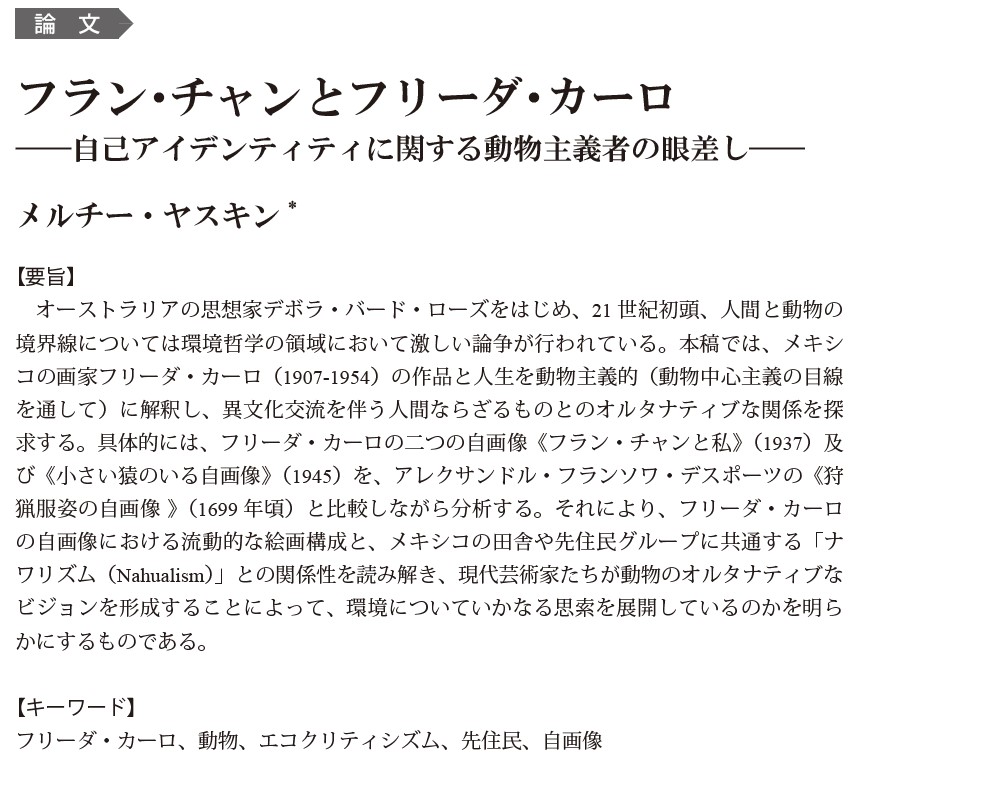
In 2017 I was cursing a seminar on philosophy and animals at the University of Tsukuba with my friend from Colegio de México, the writer Hiram Ruvalcaba. For my final presentation, I decided to talk about Frida Kahlo’s vision of animals and how animals appear in her paintings. The presentation made for professor Shimizu’s class taught me a hidden story of animal representation in self-portraiture in the West and how Frida Kahlo’s paintings suggested an entirely different paradigm of self-identity. Frida Kahlo’s self-portraits with animals were inspired by her personal story of companion with Mexican animals such as the spider monkey Fulang Chang, xoloitzcuintli dogs, and parrots, and her awareness of nahuales. Nahuales is an ancient and popular vision of personhood that became a central point for my presentation. I made some comparisons between Frida Kahlo’s self-portraits, “Fulang-Chang and I” (1937), “Self-Portrait with Small Monkey (1945), with what I think may be a paradigmatic Western construction: Alexandre-François Desportes’s “Self-Portrait in Hunting Dress” (ca. 1699). Thus this paper compares visual patterns of hierarchy and more fluid and horizontal patterns of relationships with animality. Professor Shimizu encouraged me to work on this paper and send it to a Japanese Journal. Finally, it was accepted and published!. This is my first paper published in English and in a Japanese indexed Journal. I am very thankful to everyone in Japan who gave me their impressions and opinions, Akiko Liang for helping me with the abstract and Ryan Greene, who read this paper when it was a draft, and my mother, who accompanied me to visit Diego-Frida’s Anahuacalli house in Mexico City. Also, this paper attempts to tell a different story of Frida’s self-portraits with animals, looking into the more profound bonds that connected her life with her loved companions.
Florence Arquin (ca 1938) Frida Kahlo and Fulang Chang. (Courtesy Artisphere). Frida Kahlo. Fulang Chang and I (1937). The Museum of Modern Art (MoMA). Analysis, considering plants. Frida Kahlo. Self Portrait with small monkey (1945) Museo Dolores Olmedo Patiño. Analysis. Desportes Self Portrait in hunting dress (ca. 1699) Louvre Museum. Analysis. Abstract in English. The Annual Review of Cultural Studies, Japan: Association for Cultural Typhoon/カルチュラル・スタディーズ学会, no.9. 2021. pp. 96-113. Abstract in Japanese.
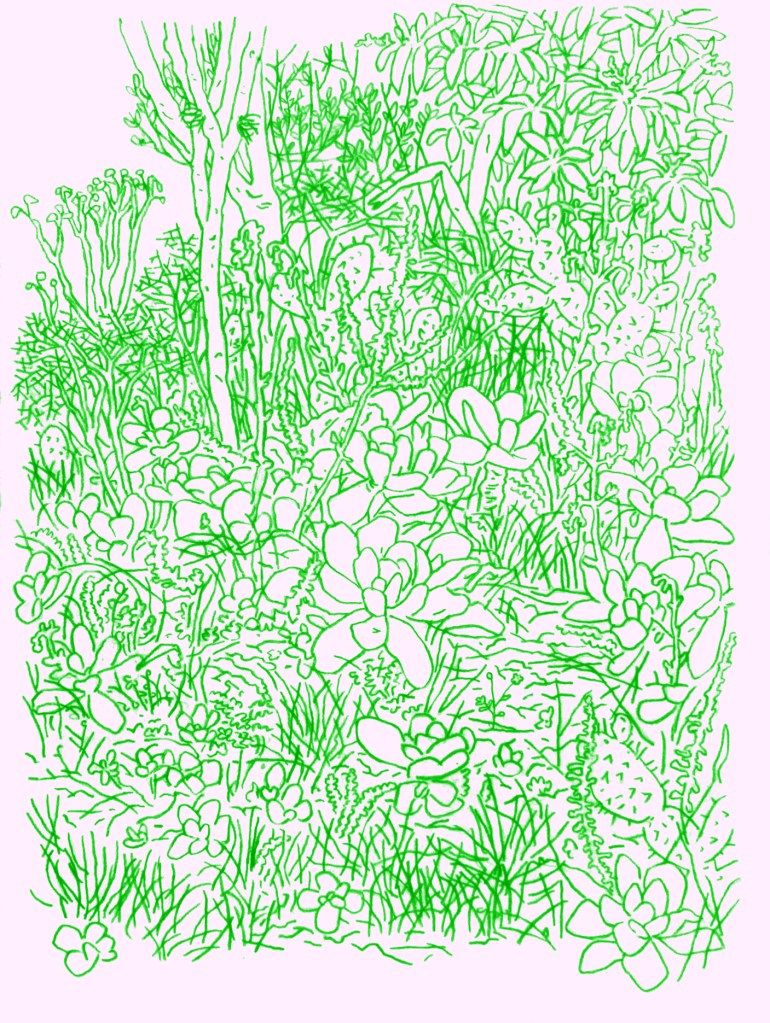
A couple of poems from my book Meditaciones del Pedregal (Astrolabio, 2019) translated into English by Elisa Taber were published this week in the Slug magazine. The original book also has the beautiful drawings of Rodrigo Treviño, an artist (visitor and resident) of El Pedregal. El Pedregal in Mexico City is a volcanic area rich in life, also in history. It welcomes without distinction Universities and residential areas of all kinds, shopping centers, food stalls, roads, and even an ancient city lie in its bowels. Its life, the life of its creatures, and the life of Mexico City people are intertwined. It is also an endangered ecosystem. These are contemplation and intercultural poems from when I was studying at the Colegio de México. Well, in the heart, several things are connected there. I’m grateful to Elisa san for translating this selection and Marina san, the poet-editor of Astrolabio and the Astrolabio team, who made a beautiful artisanal work for the limited edition.
Comparto aquí el enlace a la traducción de un fragmento del prólogo y poemas del libro Meditaciones del Pedregal. Visiones ecopoéticas que salio publicado en versión artesanal en 2019 con el hermoso sello de Astrolabio ediciones de Marina Ruíz. El libro además contiene las ilustraciones de mi amigo artista Rodrigo Treviño. En la selección aparece uno de los dibujos de Rodrigo, aunque claro siempre se antoja verlo también en papel.
Gracias a Elisa Taber y la revista SLUG por todo el cuidado en la traducción y por haber querido traducir estos poemas.
Ilustración de Rodrigo Treviño, se aprecian las orejas de burro o tememetla (Echeveria gibbiflora), los nopales (Opuntia ficus-indica), y el característico palo loco o tezcapatli (Pittocaulon praecox). El ecosistema del Pedregal de San Ángel se encuentra al sur de la Ciudad de México, y en el conviven plantas y animales con la naturaleza de la ciudad. En sus suelos se levantan universidades como la Universidad Nacional Autónoma de México (CU), El Colegio de México, La Universidad Pedagógica Nacional y también colonias residenciales populares, grandes avenidas, centros comerciales, puestos de comida, las ruinas de la pirámide de Cuicuilco y otras zonas arqueológicas. Es un espacio con vida que nos sostiene y al cual conviene tener siempre presente en nuestra mirada, en nuestro sentir y en nuestro sentido de responsabilidad. Este libro es una recopilación de cantos maravillados, de observación de la vida que allí transcurre, de meditaciones de mi corazón por estos caminos.










 Flor de Amaneceres