Recientemente publicaron algunos poemas del poeta, activista y caminante Nanao Sakaki (1923-2008) en la revista Otros diálogos del Colegio de México. Espero que el lector disfrute estos poemas y se conmueva con la profundidad de su visión.
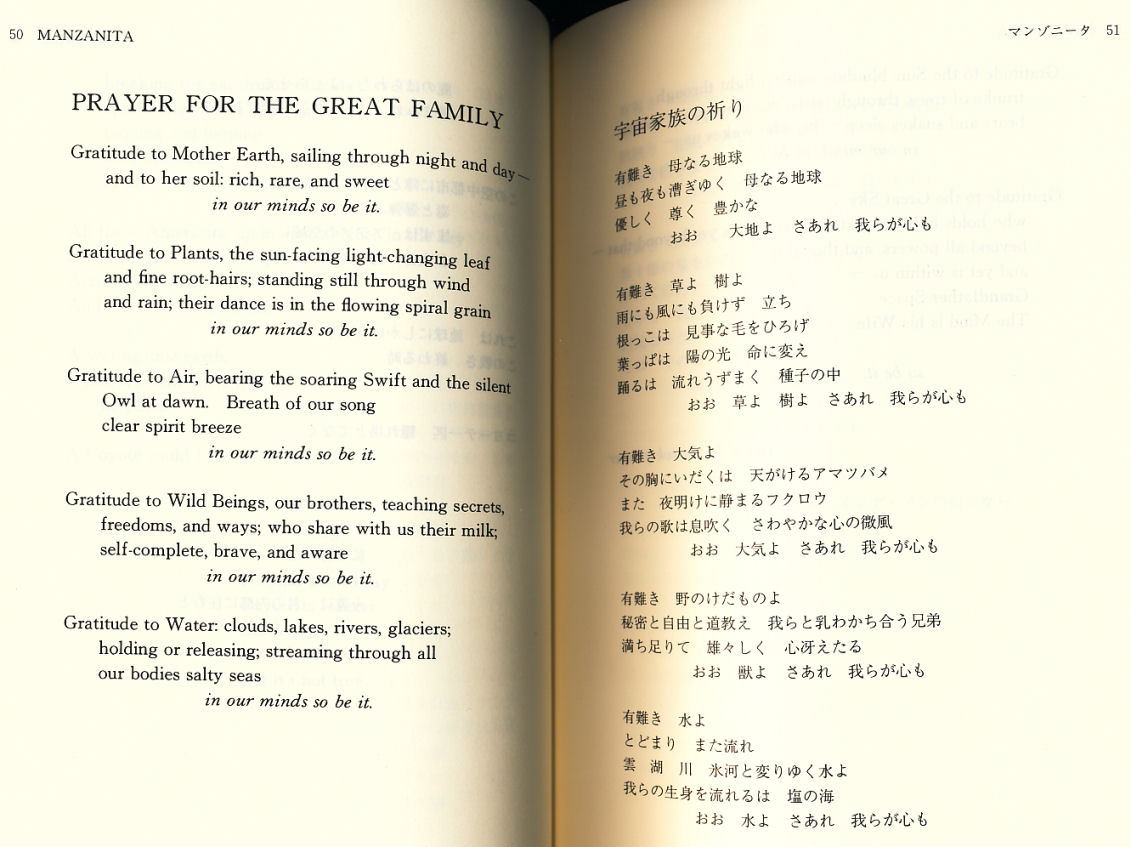
Además, en 2018 estuve en el homenaje de los diez años de la muerte del poeta Nanao Sakaki y los 50 años del movimiento Buzoku (La Tribu). El homenaje se realizó en el barrio de Kokubunji, Tokio (31 de marzo, 2018). Asistieron poetas, artistas, admiradores y hippies que compartieron la vida y los sueños de Nanao, También pude constatar la admiración que producen sus poemas a académicos, músicos y nuevas generaciones de artistas jóvenes. Muchos poemas de Nanao han sido adaptados como canciones. Un ejemplo de la poesía cantada de Nanao es la apasionada interpretación que hacieron los rockeros Sebun & Bianca basándose en el poema Sunshine Orange (サンシャイン・オレンジ 1975). Previamente interpretan una versión musicalizada de un canto indio Mohawk que adaptó Gary Snyder al inglés y luego Nanao al japonés. Se trata de una oración llamada «Canto a la gran familia» o «Canto a la familia del universo».
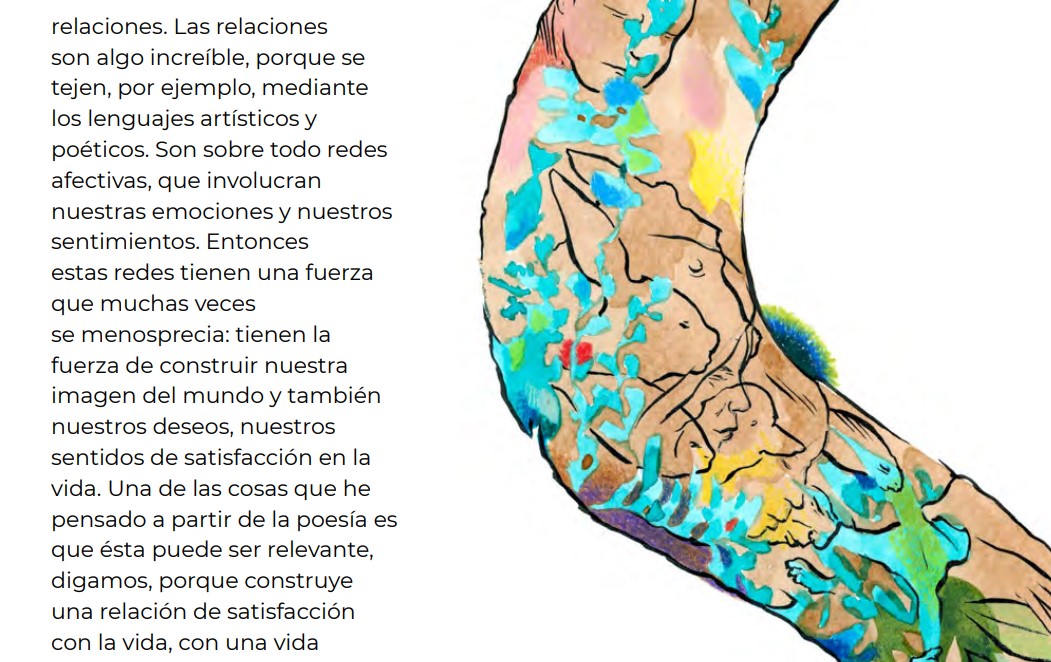
Les invito a leer la entrevista «El río eterno de lo vivo» realizada por Alberto Cue para la revista Ciencias y Humanidades (año 3, núm. 7) donde reflexiono un poco sobre el valor constructivo de la poesía y su relación con la ciencia. La entrevista y este número fueron ilustrados por mi querida amiga artista Rita Ponce de León. Visualmente es un bello número y el contenido de la revista logra su cometido de integrar distintos puntos de reflexión en torno al conocimiento, su construcción, su aplicación y su sentido. Con agradecimiento a la Dra. María Elena Álvarez-Buylla Roces y la Dra. Danivir Kent por su invitación.
SEMILLAS DE NUESTRA TIERRA: MUESTRA ECOPOÉTICA MEXICANA el tomo número 4 de la Colección Ecopoéticas de la Madre Tierra. Este libro es fruto de un esfuerzo de tres años de exploración, edición y trenzado de los editores y compiladores Mónica Nepote y Yaxkin Melchy para ir recorriendo los caminos de distintas voces ecopoéticas en México, es decir de aquellas que dan cuenta de la palabra poética en su relación con “el territorio y la vida”, como expresó Pedro Favaron, ideador de este proyecto. Esta vez corresponde a los territorios que se inscriben dentro de aquello que llamamos México, tierra generosa y viva.
Ya lo pueden descargar directamente en el servidor de PCloud
«Esta muestra es un texto clave en el quehacer literario y editorial, así como en el pensamiento ambiental y cultural de México. Hemos mostrado que es posible cambiar el foco etnocéntrico y antropocéntrico de la cultura nacional, y en ese cambio hallar una insospechada riqueza poética y visionaria que hunde sus raíces en el corazón. Hemos abierto las puertas de lo poético a diversos medios de expresión y hemos, sobre todo, aprendido que el camino del pensamiento ecológico es uno primeramente de reconocimiento de la sabiduría de la relación con la naturaleza. Como ha dicho con claridad el poeta Pedro Favaron, mucha de esta sabiduría encuentra en la voz poética su forma natural de expresión. En suma, esta muestra de poesía, artes y sueños es un saco de semillas recolectadas lista para sembrarse en la imaginación, en el sentir y el pensar. La semilla poética es una figura sugestiva de la importancia de la voz de poetas y artistas en la configuración de nuestra relación con otros seres vivos, con la tierra y el cosmos, y nos invita a hallar el valor nutritivo y sanador que las semillas poéticas aportan a la humanidad.»
Yaxkin Melchy
«Durante tres años leímos, compartimos, dialogamos entre México y Japón, acordamos horas para nuestros encuentros, compartimos hallazgos y dudas, compartimos detalles cotidianos, fotos de nuestros alimentos, lecturas aleatorias, historias familiares, caminatas y temores. A pesar de la distancia había una sincronía y un mutuo acompañamiento, un conocernos y un amistar. Para mí eso forma parte del cobijo de la madre tierra, e insisto en la metáfora: tejer lenguajes incluye echar mano de los hilos afectivos que hacen que el trabajo sea un espacio de encuentro y una construcción utópica de otras economías en las que el asombro, el gusto por reunirnos y el pensar juntxs están presentes, arropándonos de otras maneras, bajo otros techos, y en las que es posible hacer un uso fecundo del lenguaje similar a la polinización.
…
Espero que esta antología toque cuerpos y espíritus y que detone más ejercicios de reunión y colectividad, fogatas de palabras y lenguajes en torno a la existencia y la vida del planeta.»
Mónica Nepote
El prólogo «La semilla y la palabra» fue publicado por La Jornada, periódico mexicano en su suplemento Ojarasca.
Como editores y compiladores agradecemos profundamente a todas y todos los poetas, artistas y gente de palabras que participaron generosamente en este proyecto sin fines de lucro, sino divulgativo y de descarga gratuita. Así como a todas y todos los comentadores que aceptaron la invitación de realizar una lectura en clave de las relaciones ser humano-naturaleza para introducir y hablar de los textos. Para ver más información de la muestra y de este proyecto en general visiten la página de Cactus del viento editorial.
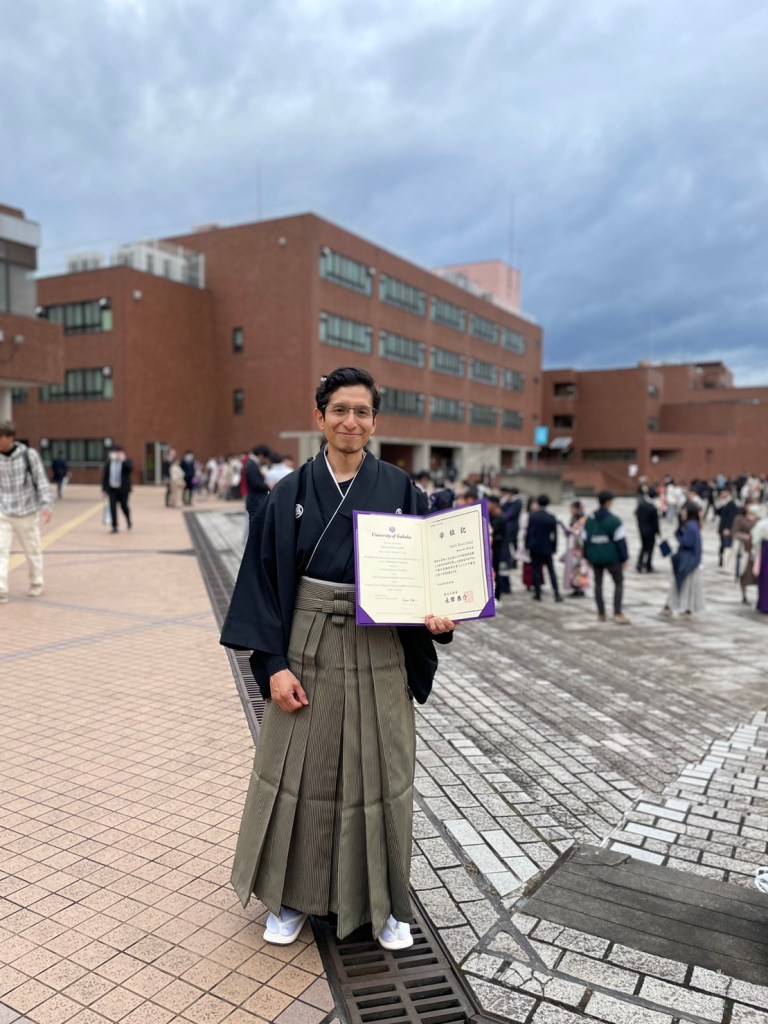
Good afternoon, everyone. Greetings to President Nagata, Deans, Professors, Families, and the class of 2023. Thank you for letting me to share some words in this important graduation ceremony.
It is again spring, and earth reminds us of its cycle through which life renovates itself. Again spring gives us an excellent example of the resilience of life and inspires us to think of our human paths in the same way, as paths of resilience through which knowledge and heart contribute to humankind’s growing and renovation cycles.
The last years have been quite a unique journey of challenges. We have all experimented hardship and frustration because of the pandemic, but at the same time, hope and an incredible opportunity for silence and deep reflection. I came from Mexico in 2019 and entered the Doctoral Program in Humanities three years ago, just when the COVID-19 pandemic made us retreat to our houses and challenged us to continue our studies in new ways. I was incredibly amazed by how our professors and the academic staff kept going and envisioned new ways and opportunities to continue the classes and activities of the University. I am incredibly thankful to all of them because they taught me how education is sustained not merely in books or information but in people and the daily effort of making the connections for technology to be useful and take care of life. In addition, I discovered how much knowledge is connected with life, within the intimate scope of our families, friends, nature, and God. Knowledge is connected to all the intimate relationships through which we can participate in growing a healthy society.
Also, studying during the pandemic opened new doors for me: a new way to enter into contact with nature and a more subtle rhythm of life, taking care of myself and building awareness of the people around me. Japanese society also showed me their unique strength in front of adversity, and I received many demonstrations of solidarity and generosity from my friends that I will never forget.
The University of Tsukuba provided me with a safe space. Its beautiful campus, surrounded by nature, became a second home for my silent readings and research activities. The environment showed me how nature supports, with its therapeutic presence and beauty, the development of human knowledge, because we are nature too. Tsukuba University community also includes its kobushi, sakura, ume, sarusuberi, metasequoia, ginkgo, momiji and keyaki trees, its fauna and ponds, its laboratory and research animals, just as library and cafeteria. I am especially thankful to all the people who take care of those spaces and lives for providing a safe space for research, experiments, dialogue, and reflection. During my research, I had the opportunity to cross between Humanities and Sciences, poetry, and technological innovation, to look at how we care for this world and our human communities from different angles. This opportunity ignited in my path incredible questions about the meaning of study.
My most significant learning in this University is about making questions, not just theoretical but ethical, what do we aim for when creating knowledge? What do we seek when developing new technologies? What do we strive for when envisioning the future? I would say that it is mainly to walk a path connected to health, peace, and beauty. In times in which many drastic changes are taking place, and the ethical grounds of modernization are constantly being threatened, I wish this University will continue being a refugee for relationships of health, peace, and beauty because those are the paths crossing beyond past and future generations, the pathways of renovation and resilience, just as the flowers of kobushi. In addition, the University of Tsukuba’s international environment has given me an incredible opportunity to envision how these paths intersect and work together rather than diverge and struggle, crossing languages and cultures. An old Aztec poem said that when many wise people and poets from different towns once gathered to discuss the meaning of human life on earth, after a long poetic exchange of many days, they agreed that one of the meanings of life was having that same opportunity to encounter between them. For me, this is the spirit of University, the nature of wisdom through which knowledge can guide our way of living together on earth, creating a world worth living.
I sincerely thank God, professors, families, friends, and all living beings that sustain our lives.
Rita Ponce de León with the collaboration of Yaxkin Melchy and Shinnosuke Niiro
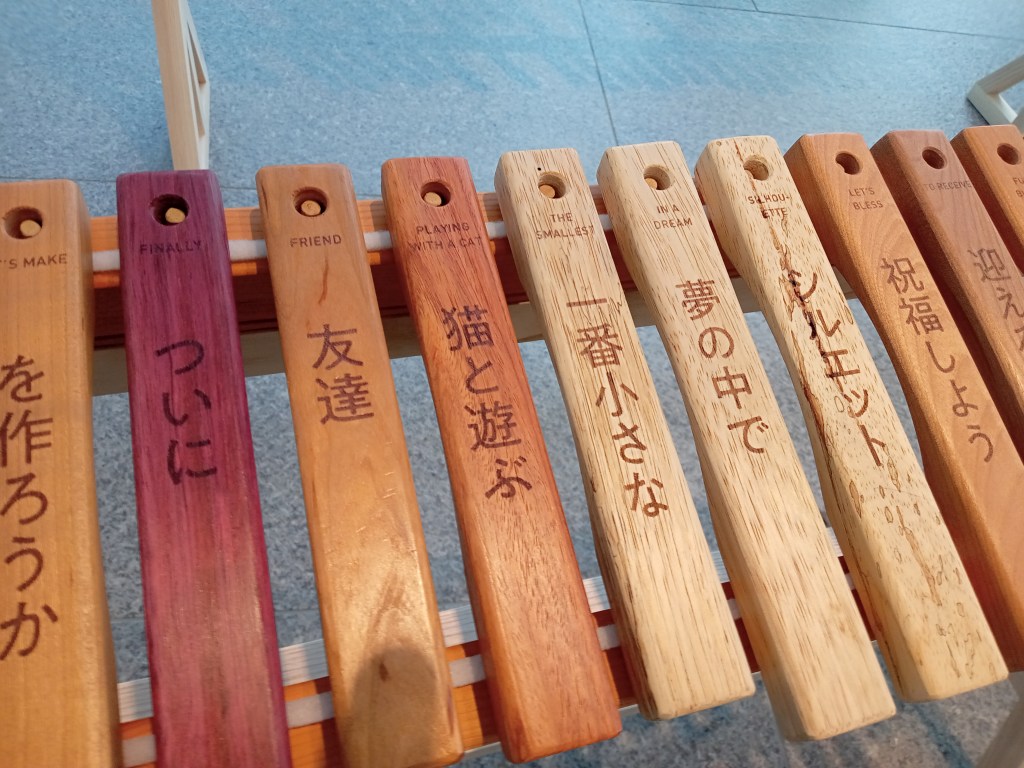
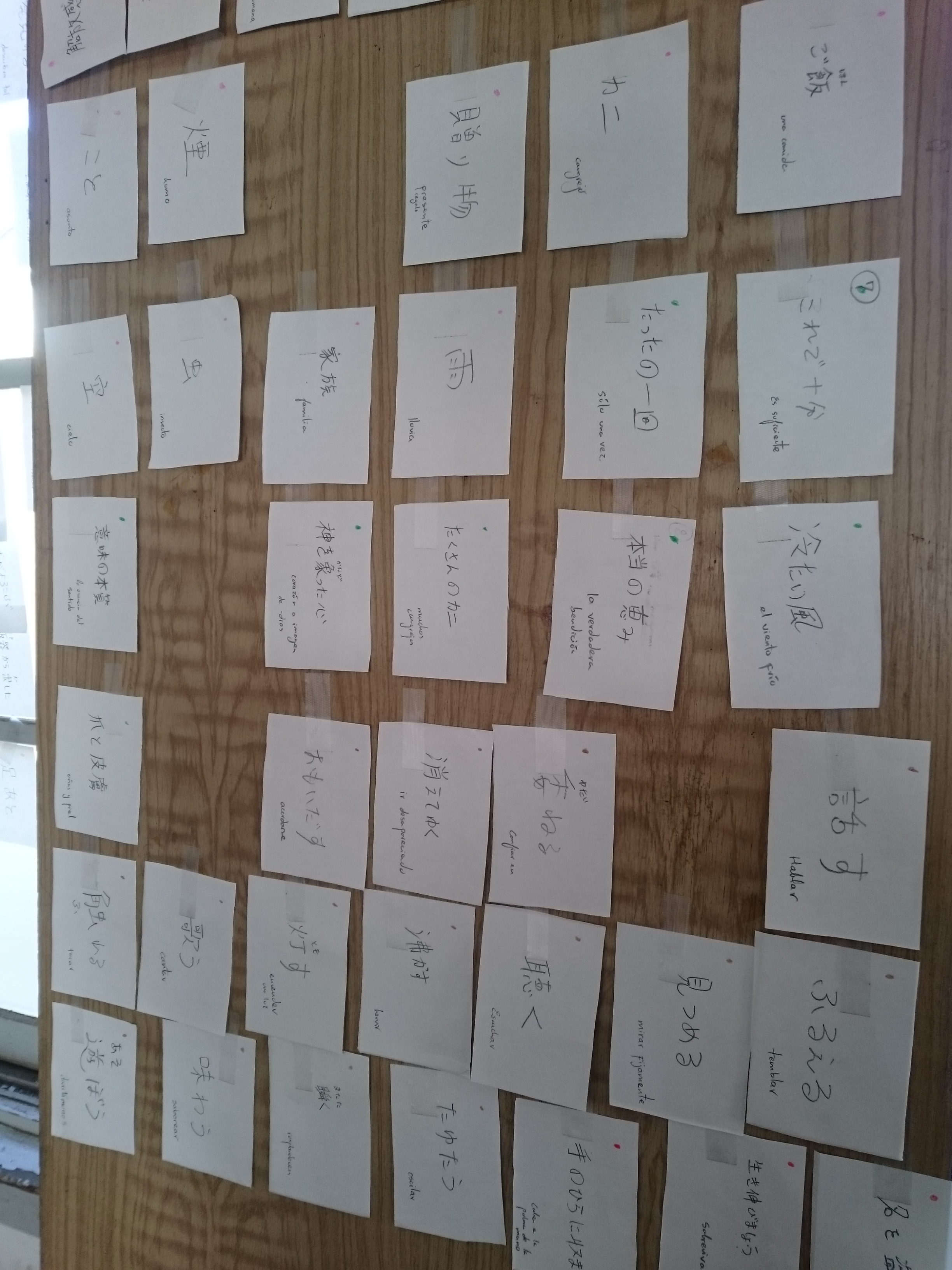
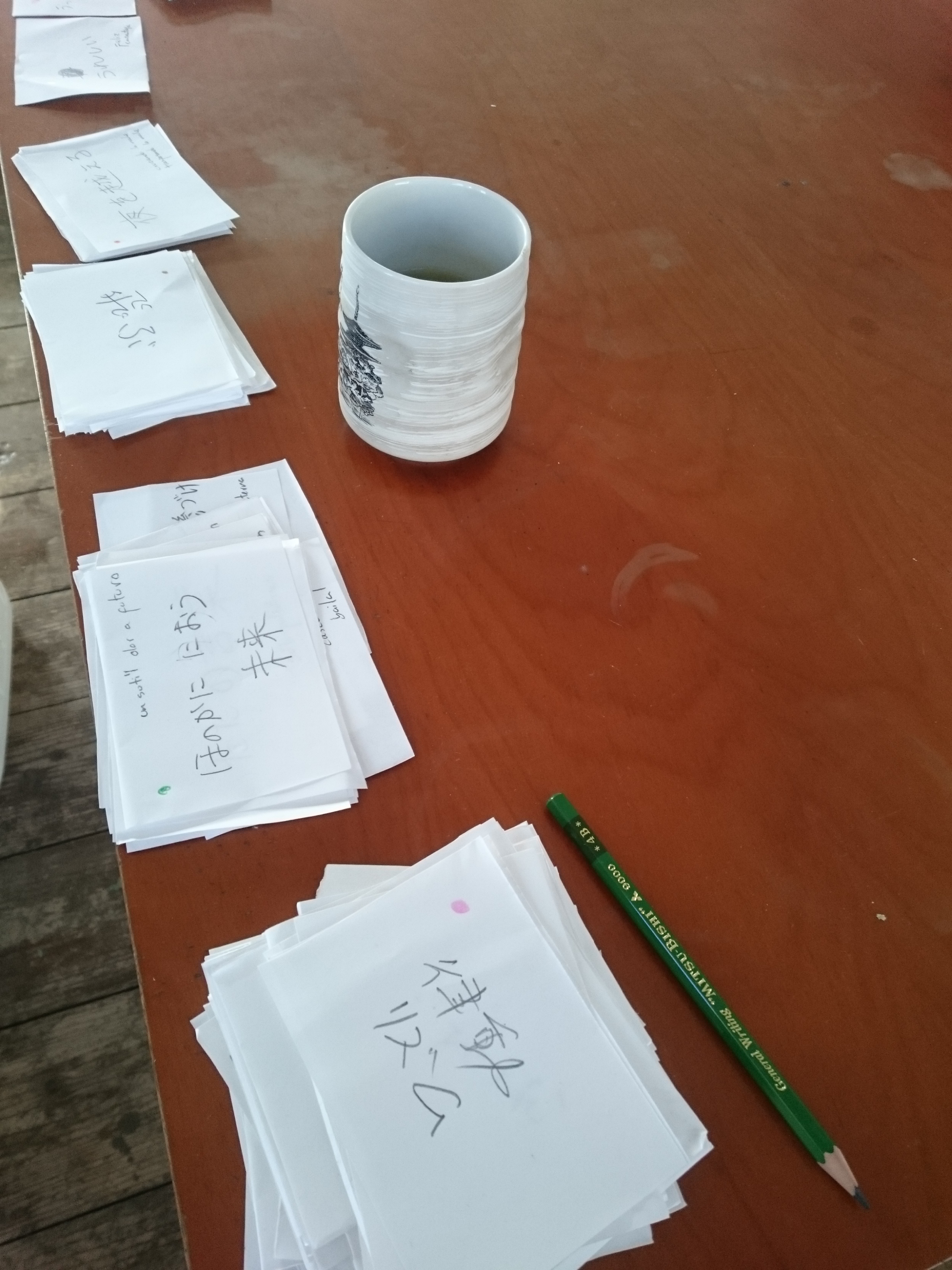
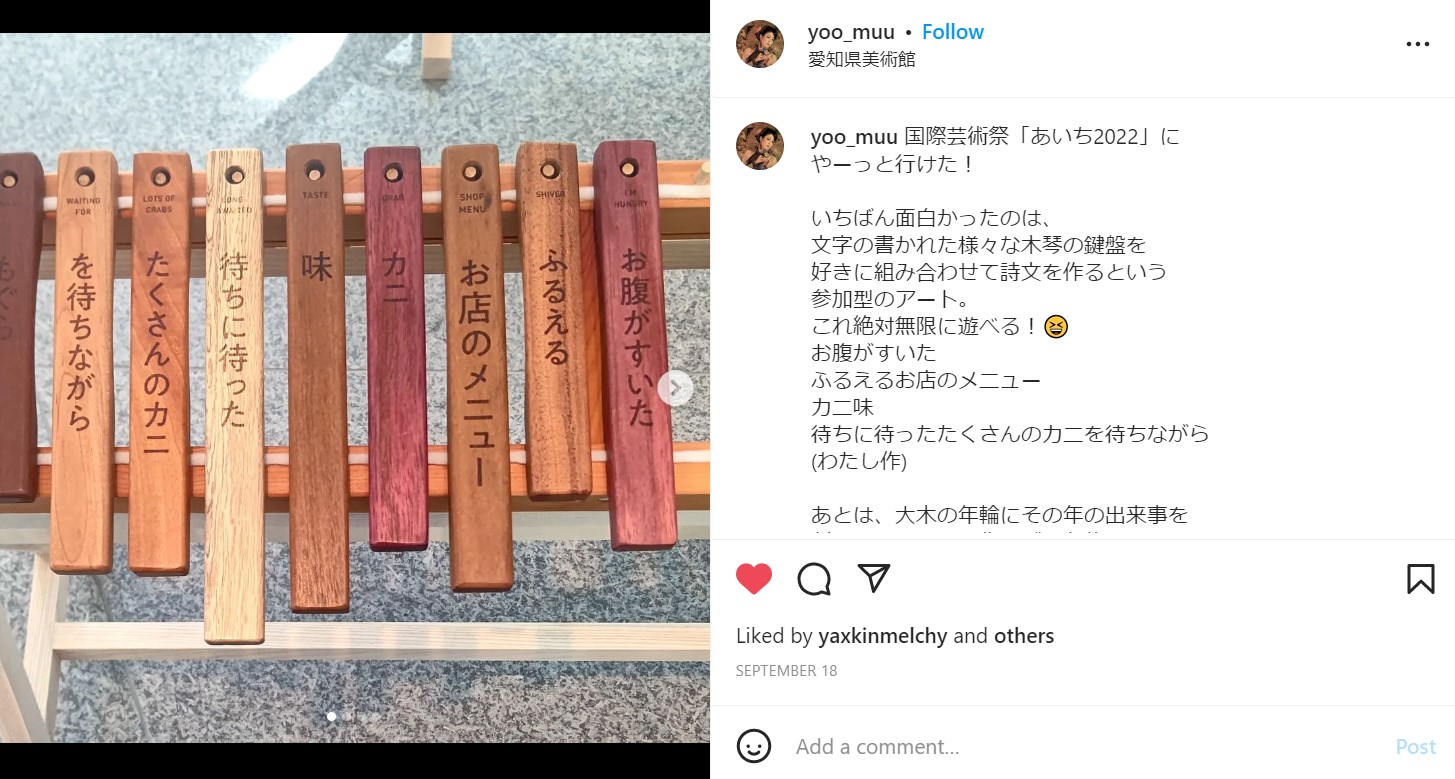
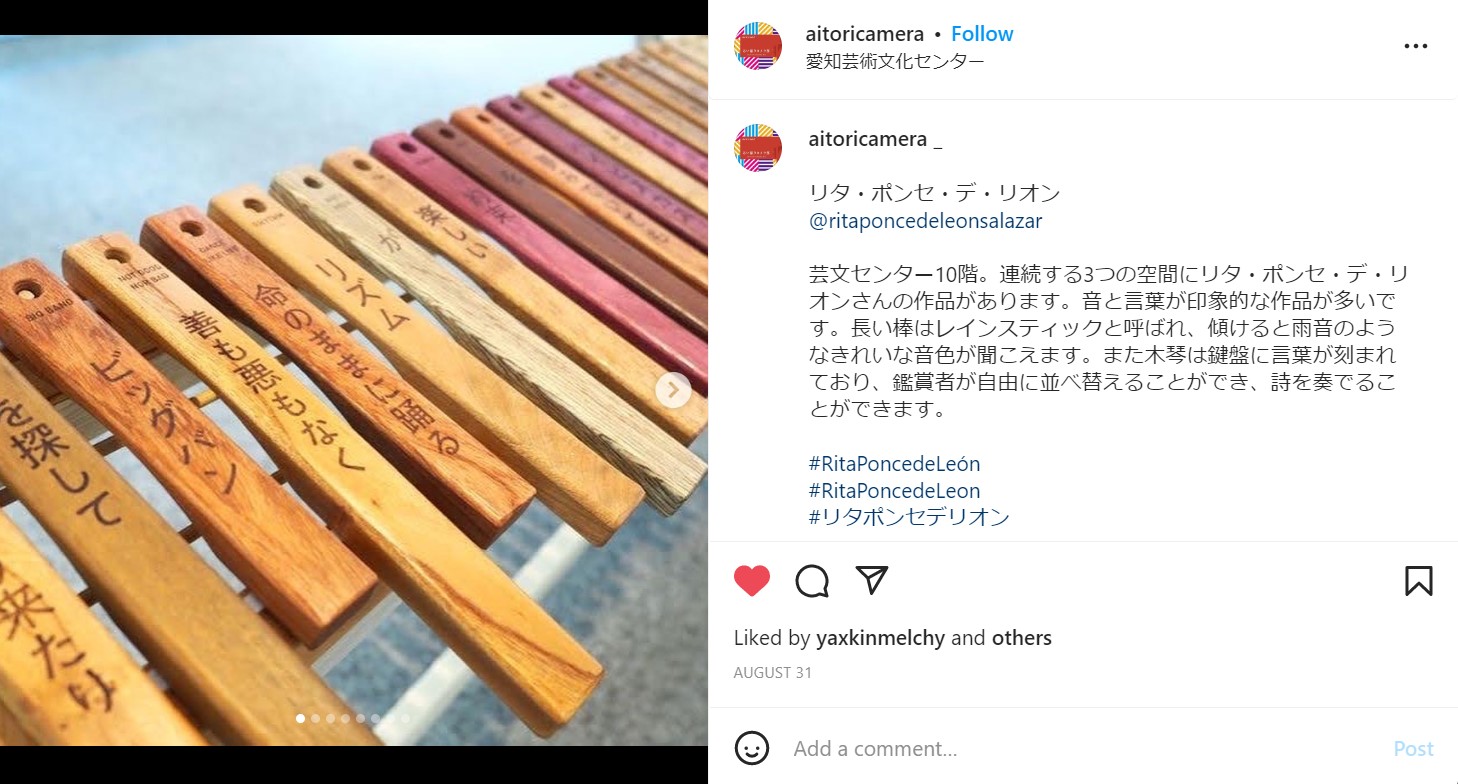
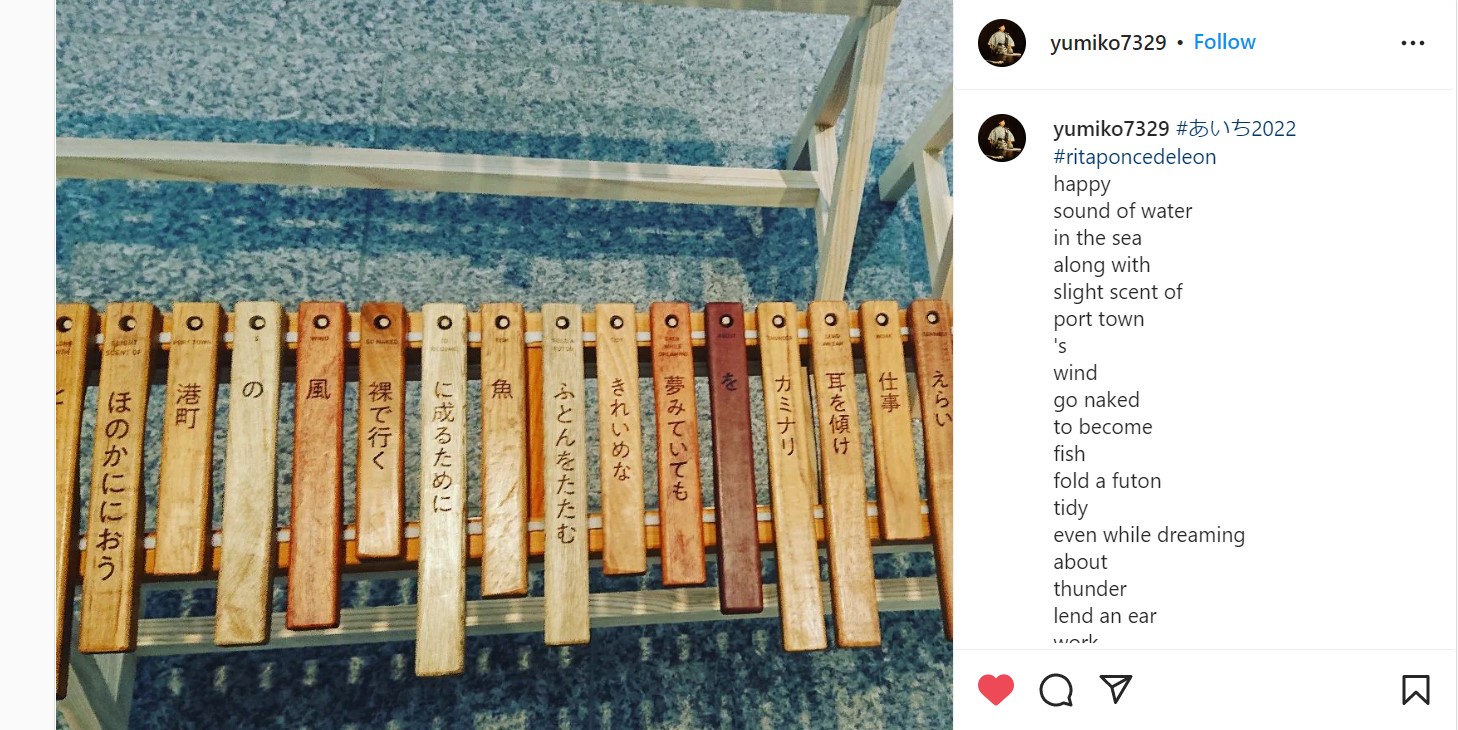
Esta colaboración surgió a partir de la invitación de la artista peruana Rita Ponce de León de crear una obra para su exhibición en la Trienal de Aichi (2022). Yo y el poeta japonés Shinnosuke Niiro seleccionamos 416 palabras y frases en japonés que respondieran a la convocatoria de Rita de crear una obra sobre el sentido de «una vida que vale la pena vivir». Escogimos palabras de poemas de amigos y propios, de canciones, de conversaciones con la familia de Shinnosuke y de personas que admiramos. Estas palabras impregnadas de poesía y juego se grabaron en piezas de distintas maderas para conformar una serie de instrumentos de percusión, parecidos a xilófonos o marimbas. La «marimba poética» como la bauticé fue diseñada y creada por Rita para su exhibición en la Trienal de Aichi. Cada pieza contiene una palabra o frase que se puede cambiar de lugar. Así, las personas pueden crear sus propias frases con sentido poético y al tocar las piezas escuchar su melodía. Las piezas de la marimba también incluyen la traducción en inglés. Como resultado se creó un gran poema en construcción, cambiante, diverso y musical. Participaron desde niños y niñas hasta personas mayores. Cada quien creó parte de ese poema que tomó forma por aproximadamente tres meses. El título proviene de un poema que escribí en México, el cual dice:
El espíritu está soñando
Para Fabricio Cajeme
Si es tranquilo,
el espíritu danza.
Si danza,
el espíritu sueña.
Si sueña,
tranquiliza su corazón.
Vuelve
a cantar estrellas.
Tenabari, Ciudad de México. 22 de febrero 2022″
Fotografías de la obra y proceso
Estas son algunas composiciones y comentarios hechos por la gente que visitó la exhibición.
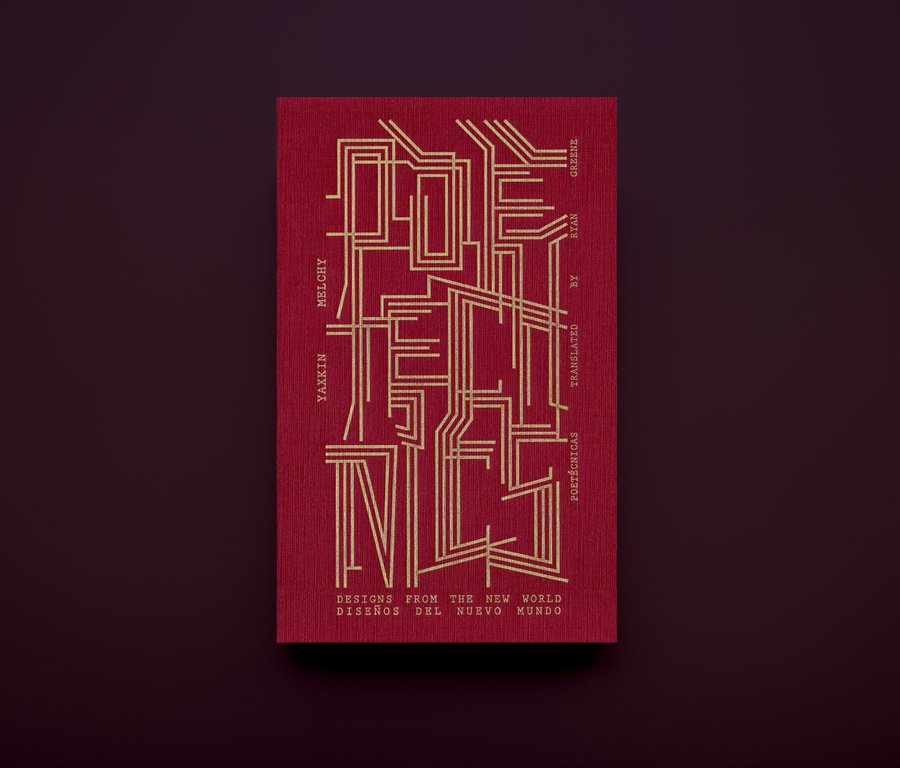
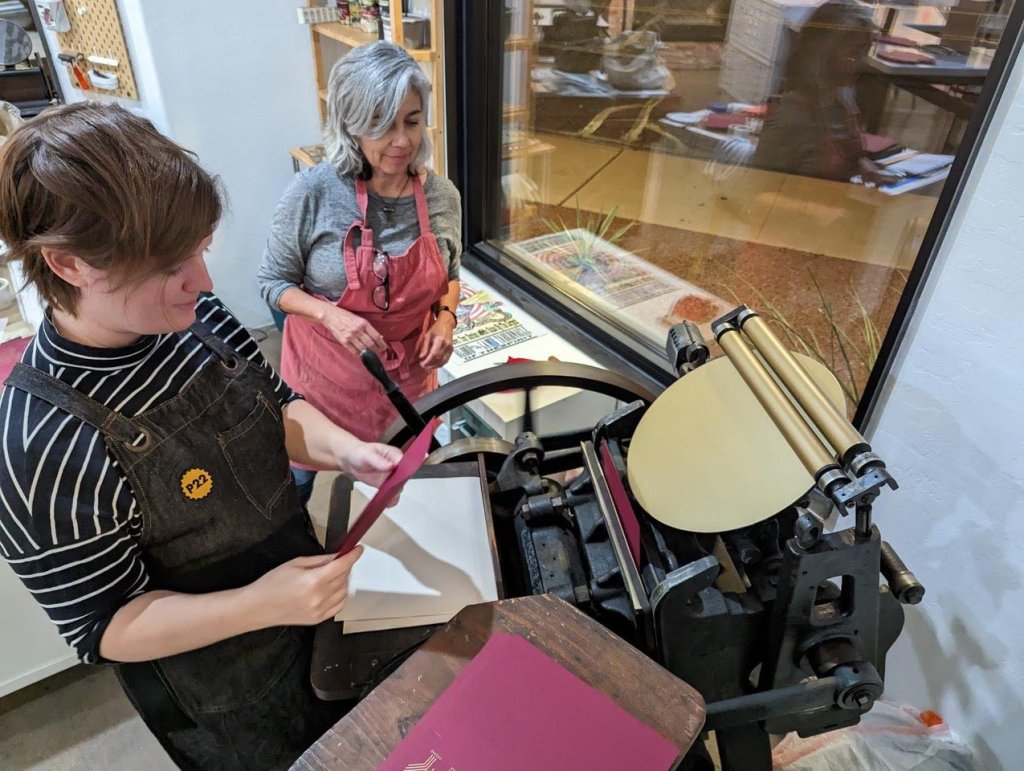
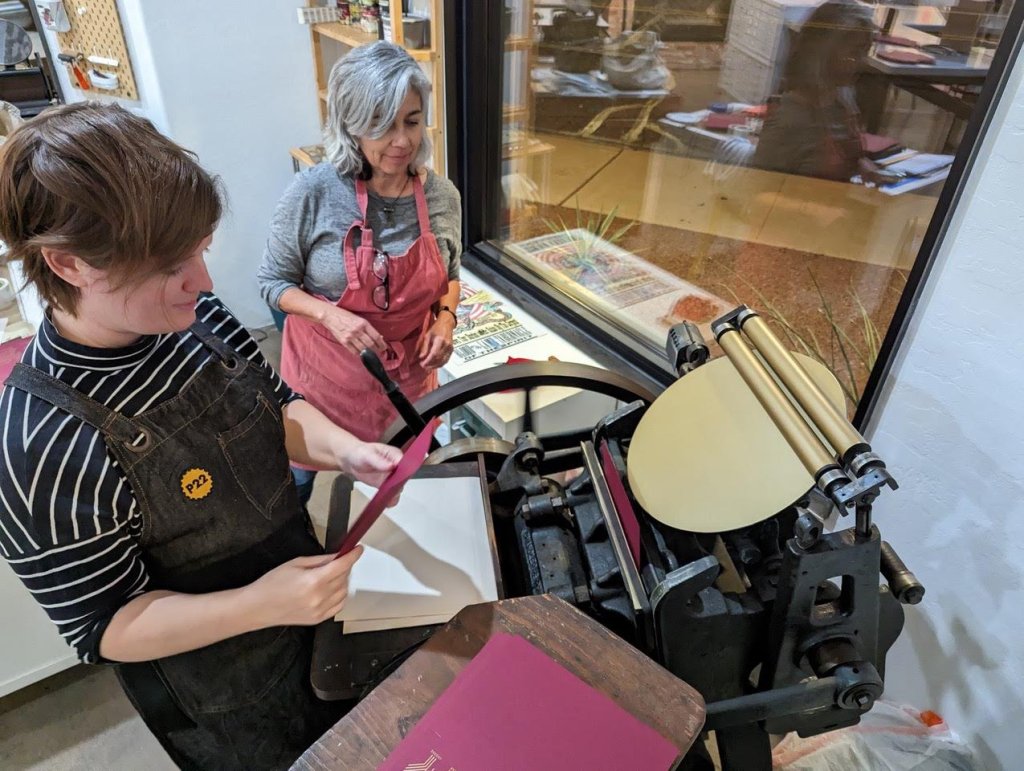
Now available for PRE-ORDER! POETECHNICS by Yaxkin Melchy and translated from Spanish by Ryan Greene! A Cartonera Collective Series book made by hand in community workshops with covers letterpress printed with Shut Eye Press!
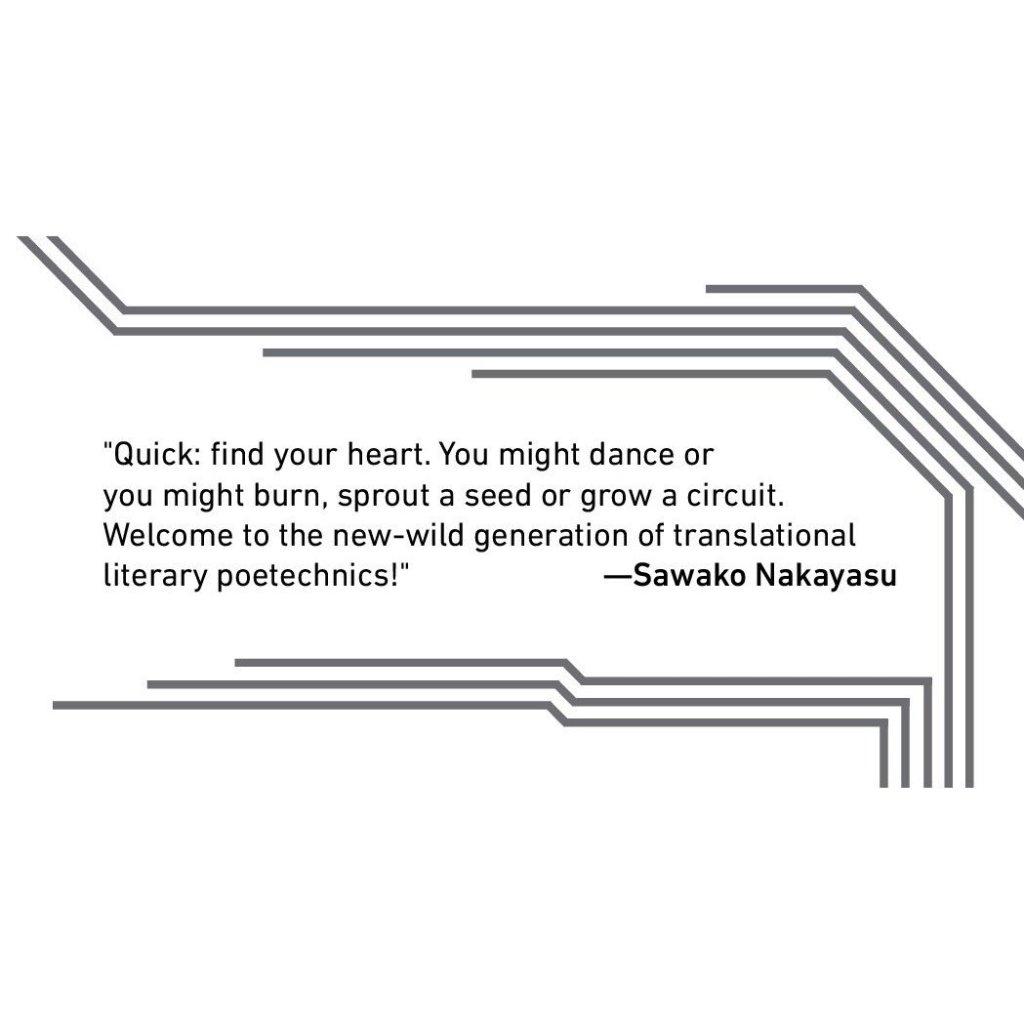
Thank you, to the poet-editor Giancarlo Huapaya and the Cardboard House Press team, Ryan Greene, for the careful translation, and Sawako Nakayasu for her reading. A beautiful and complete artisanal work of edition for this heart-fi sci-poetry.
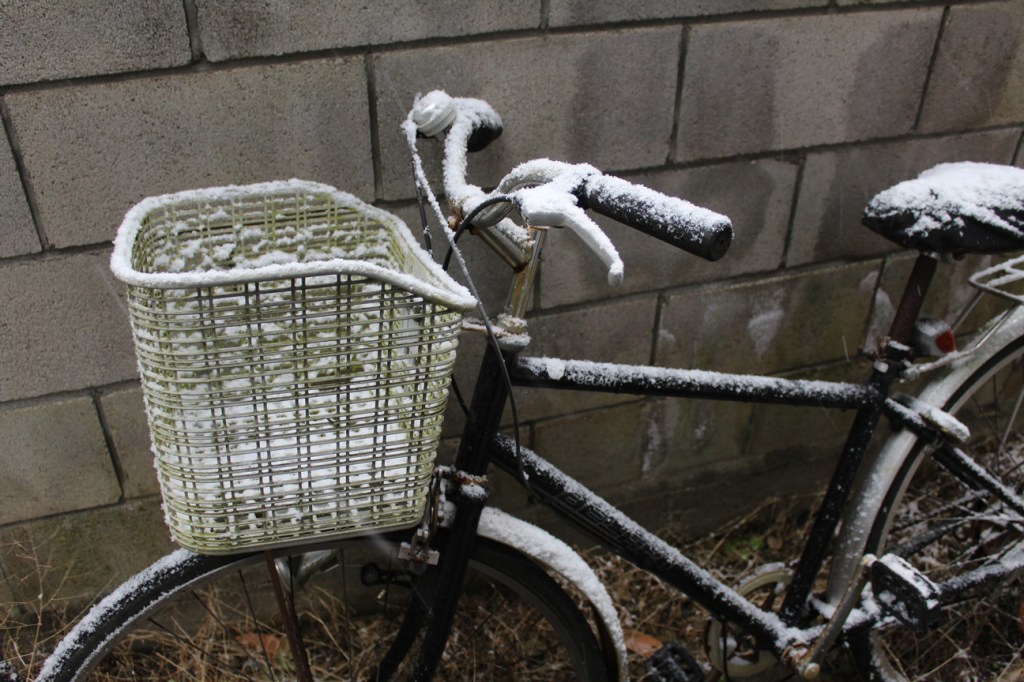
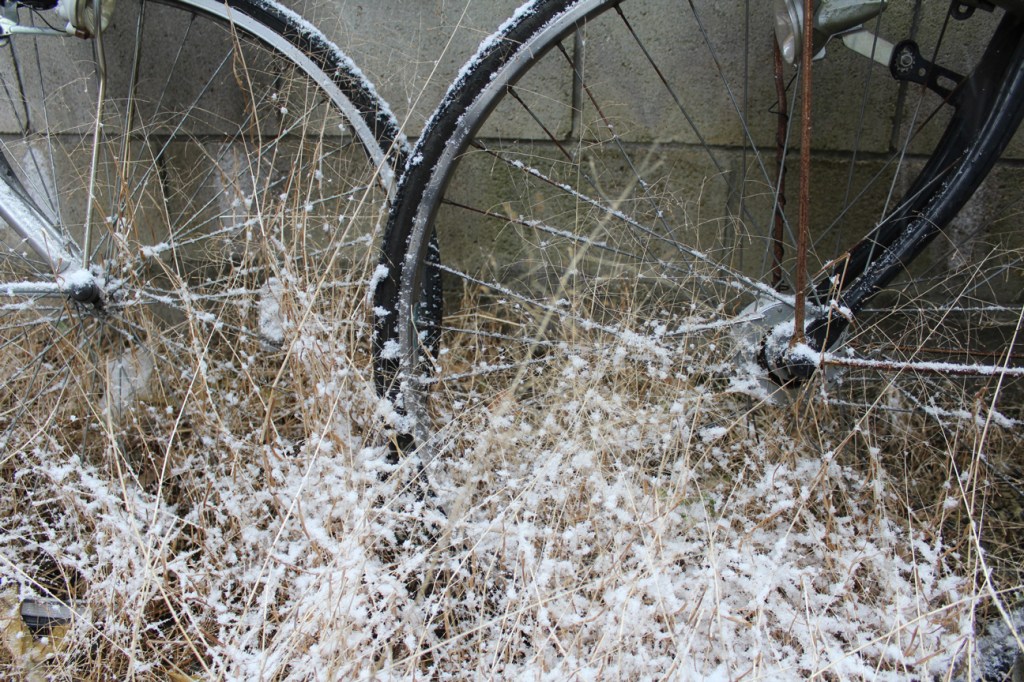
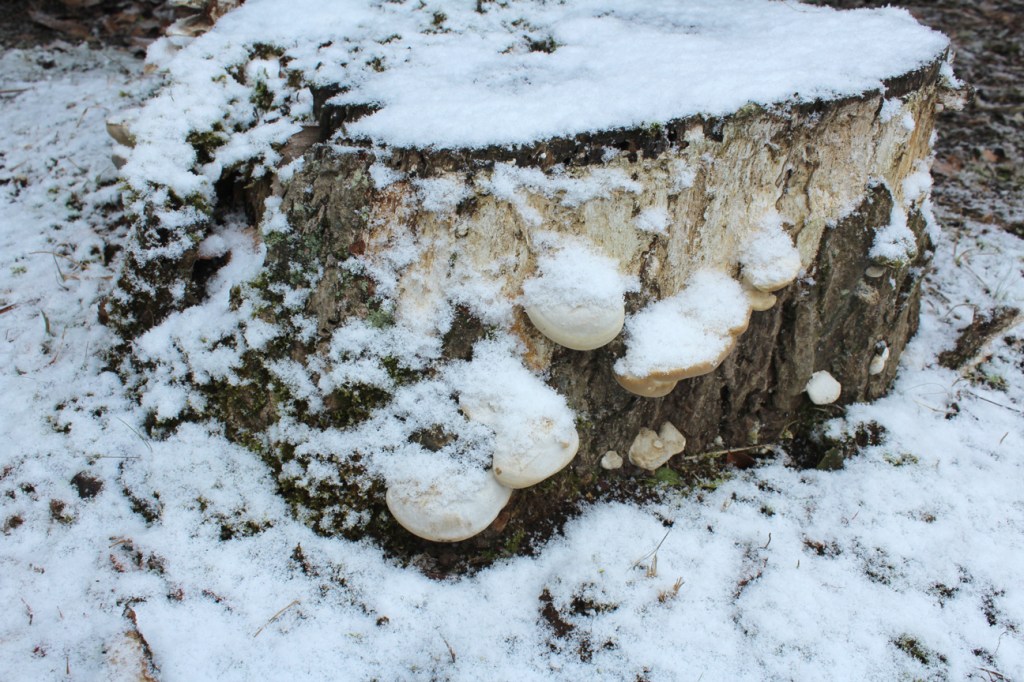
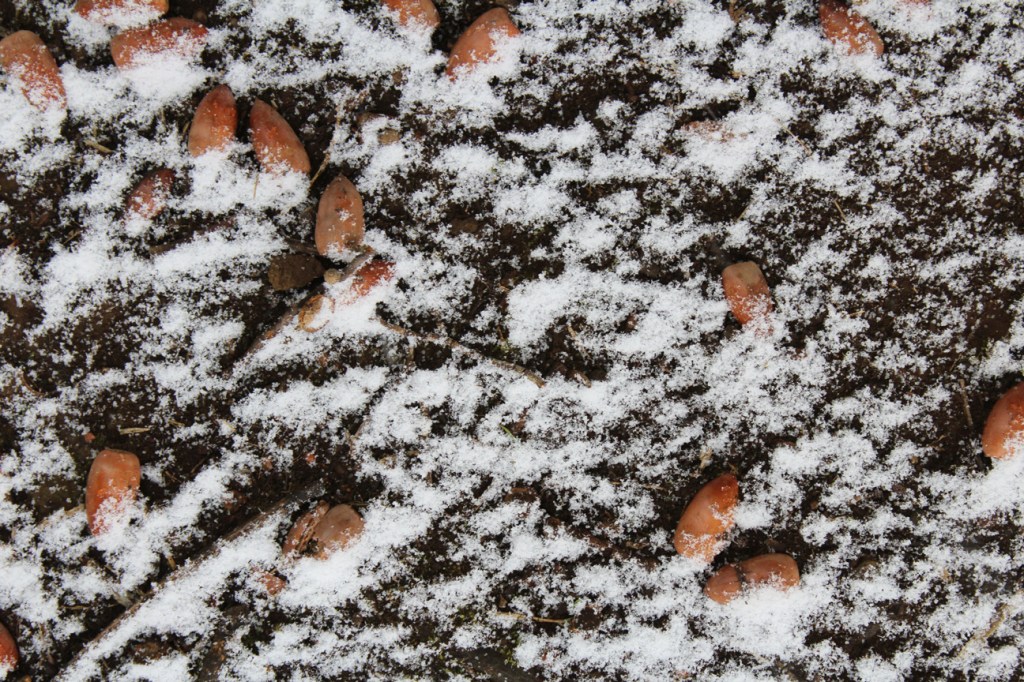
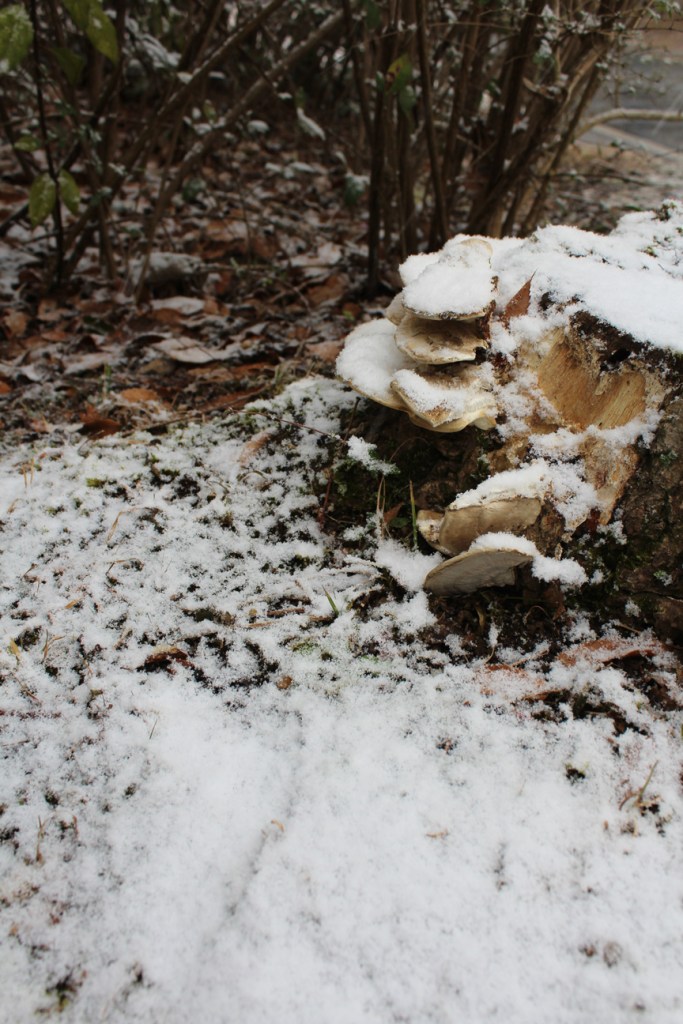
Este fue el último poema que escribí en el barrio de Hanabatake, antes de mudarme a Ninomiya, se trata de un tocón viejo cubierto con unos hongos que llaman saru no kake o «asiento de mono». El tocón se encuentra en el parque de Hidamari y tengo la impresión de que algún vecino raspa el tocón cada cierto tiempo para cosechar los hongos. En invierno volvieron a brotar nuevos hongos al tocón, pero esta vez de un color más blanco. Comparto una imagen del tocón y los hongos el día que nevó, así como algunas imágenes de la nevada pasajera en Hanabatake.
Tocón de invierno
Hacia el norte el tocón raspado celebra todo la nieve y el sol los saru no koshikake que nacieron más blancos.
Parque Hidamari, Hanabatake, Tsukuba. Enero 2023.
*Saru no koshikake, サルノコシカケ, literalmente “asiento del mono”, es el nombre genérico de los hongos de la familia Polyporaceae. El nombre alude a la forma y rigidez de muchos de estos hongos que crecen de forma perpendicular sobre los troncos y tocones de los árboles a modo de pequeños asientos o repisas para los animales. Algunos de ellos como el maitake son comestibles o utilizados en la medicina tradicional (Ganoderma).
Saru no koshikake, サルノコシカケ, Parque Hidamari, Hanabatake, Tsukuba, enero 2023.